
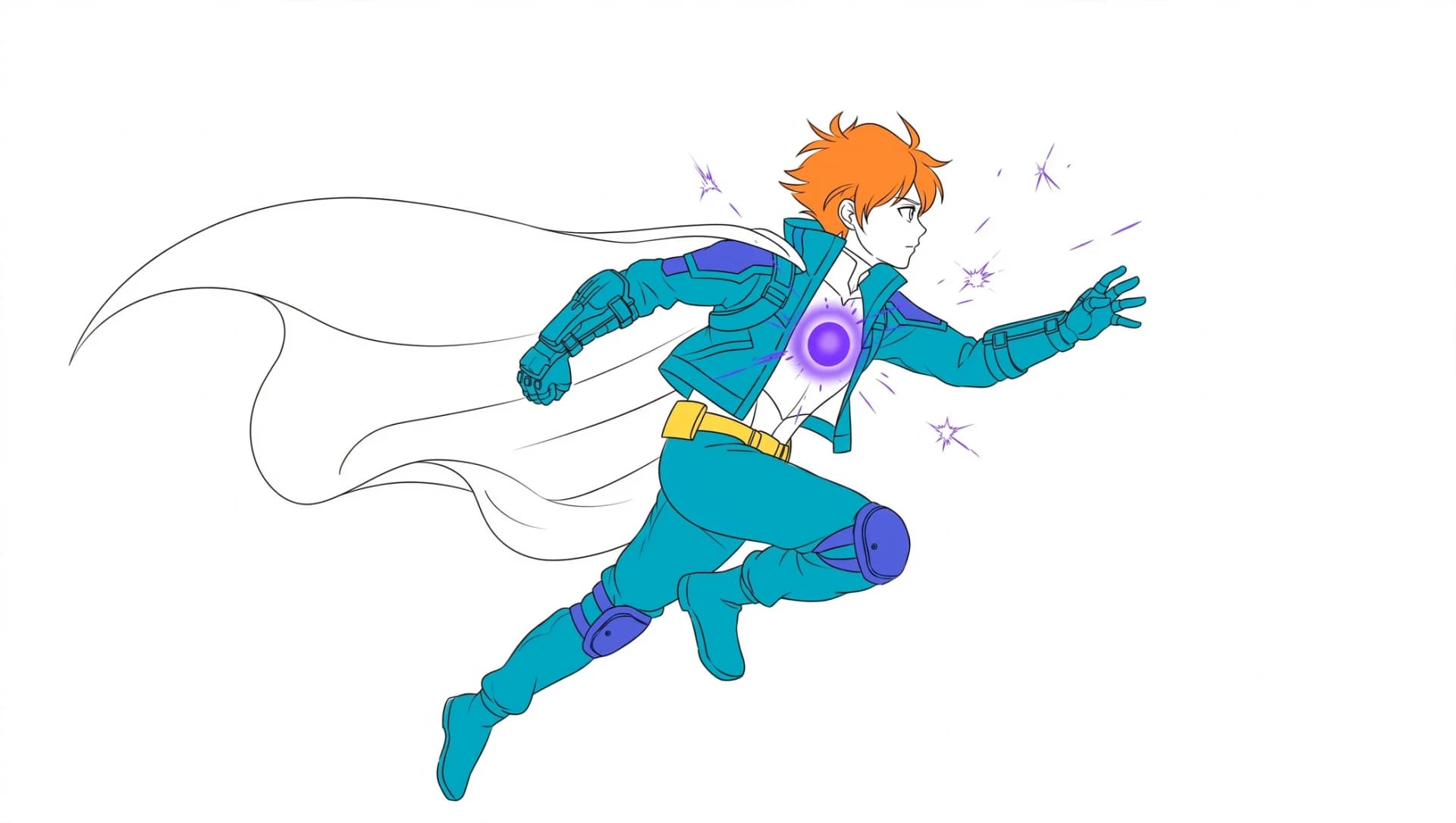
Why do so many superhero ideas feel familiar?
Staring at a blank page when you want to develop a fresh superhero idea can feel frustrating, especially when the first concepts that come to mind are ones you have already read.
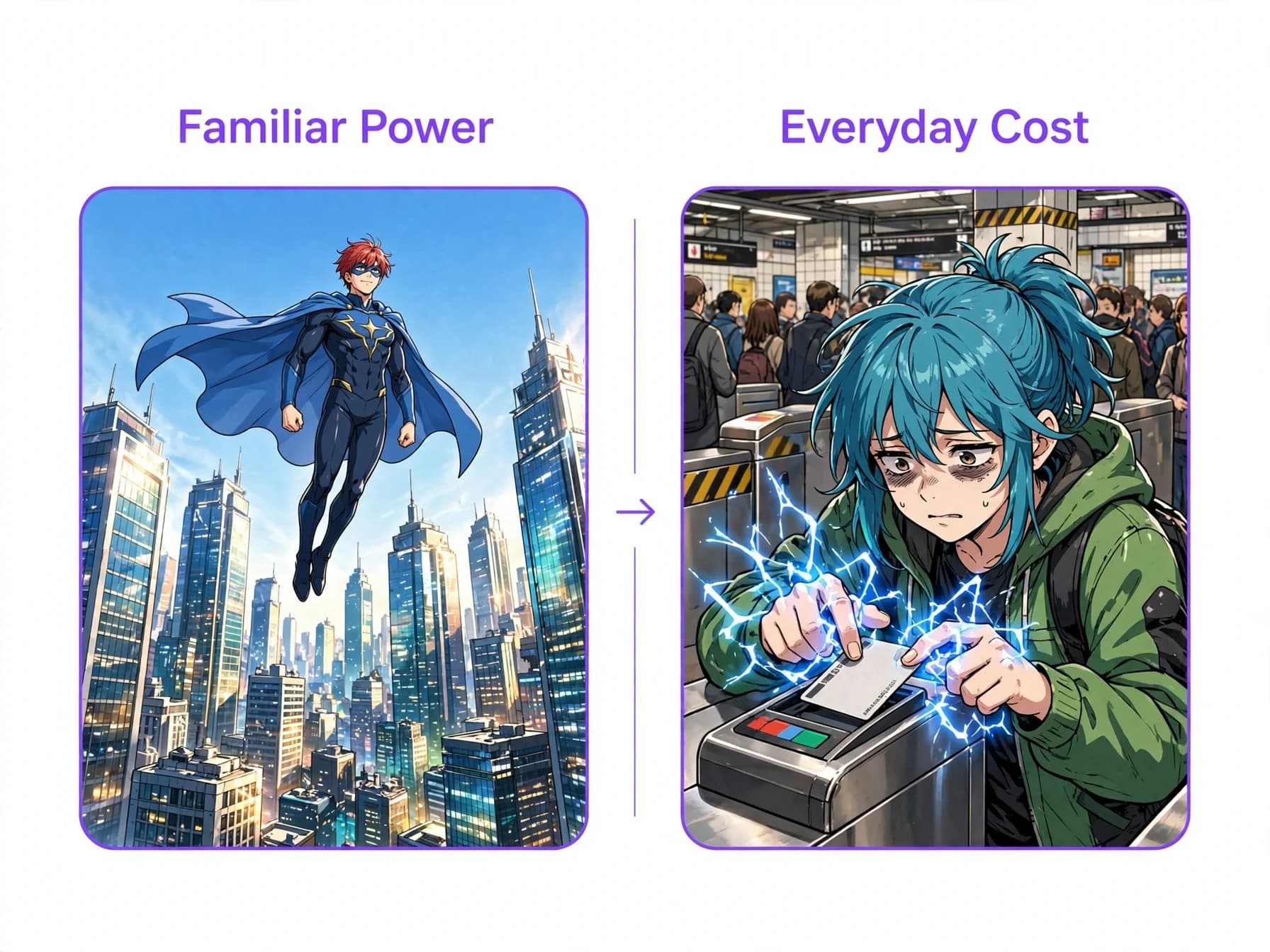
The secret is anchoring extraordinary talents to everyday human habits and tangible physical trade-offs. When powers come with specific costs, your characters instantly feel more relatable and tense. Readers connect with a protagonist who struggles to pay subway fare as much as one who protects the city skyline.
You do not need years of figure drawing practice to explore these stories. Starting with a grounded premise and a clear character description is enough to put your hero onto sequential comic panels.
Grounded urban vigilantes and street-level concepts
Grounded superhero ideas work best when talents emerge directly from daily jobs and neighborhood environments. Consider a bike messenger named Kinetic Courier who absorbs the momentum of oncoming traffic to make impossible rooftop leaps. An architectural glazier called Glass Sentry can turn city silicate into temporary shields that dissolve into harmless sand.
You can also build tactical investigators who rely on subtle sensory gifts. A subway mechanic dubbed Echo Brawler might channel train vibrations through brass knuckles for concussive bursts. Meanwhile, an archivist named Paper Vanguard folds municipal blueprints into razor-sharp aerodynamic gliders and rigid blast walls. If you are developing fresh OC ideas, pairing everyday tools with unexpected physical abilities gives your vigilante instant personality.
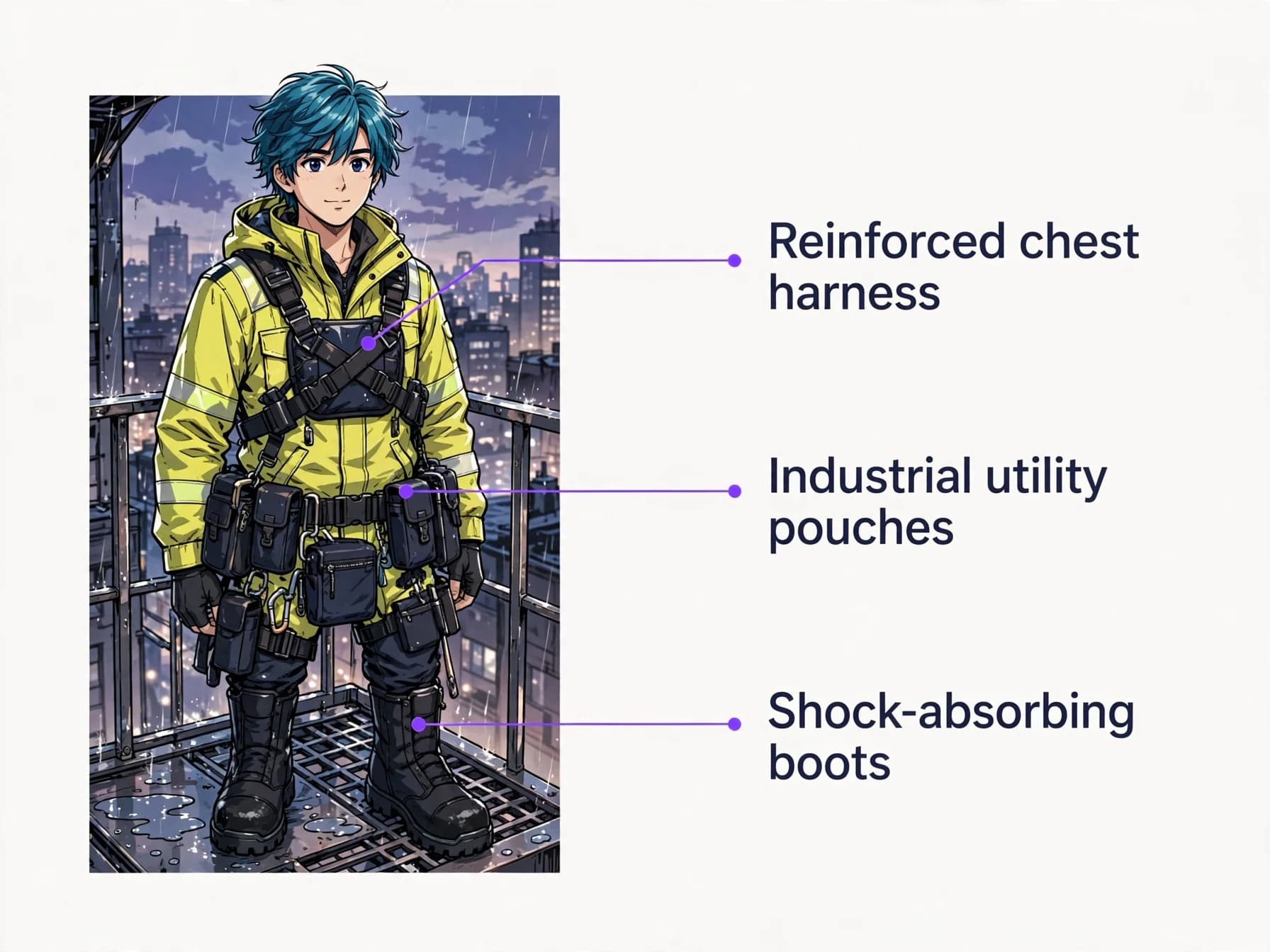
These city protectors work best when their gear looks pieced together from industrial workshops or surplus stores. Matte textures, reinforced boots, and visible utility pouches ground their look in real-world logic. Testing their costumes across distinct comic styles helps you see which silhouette commands the street.
Cosmic wanderers and high-tech science fiction defenders
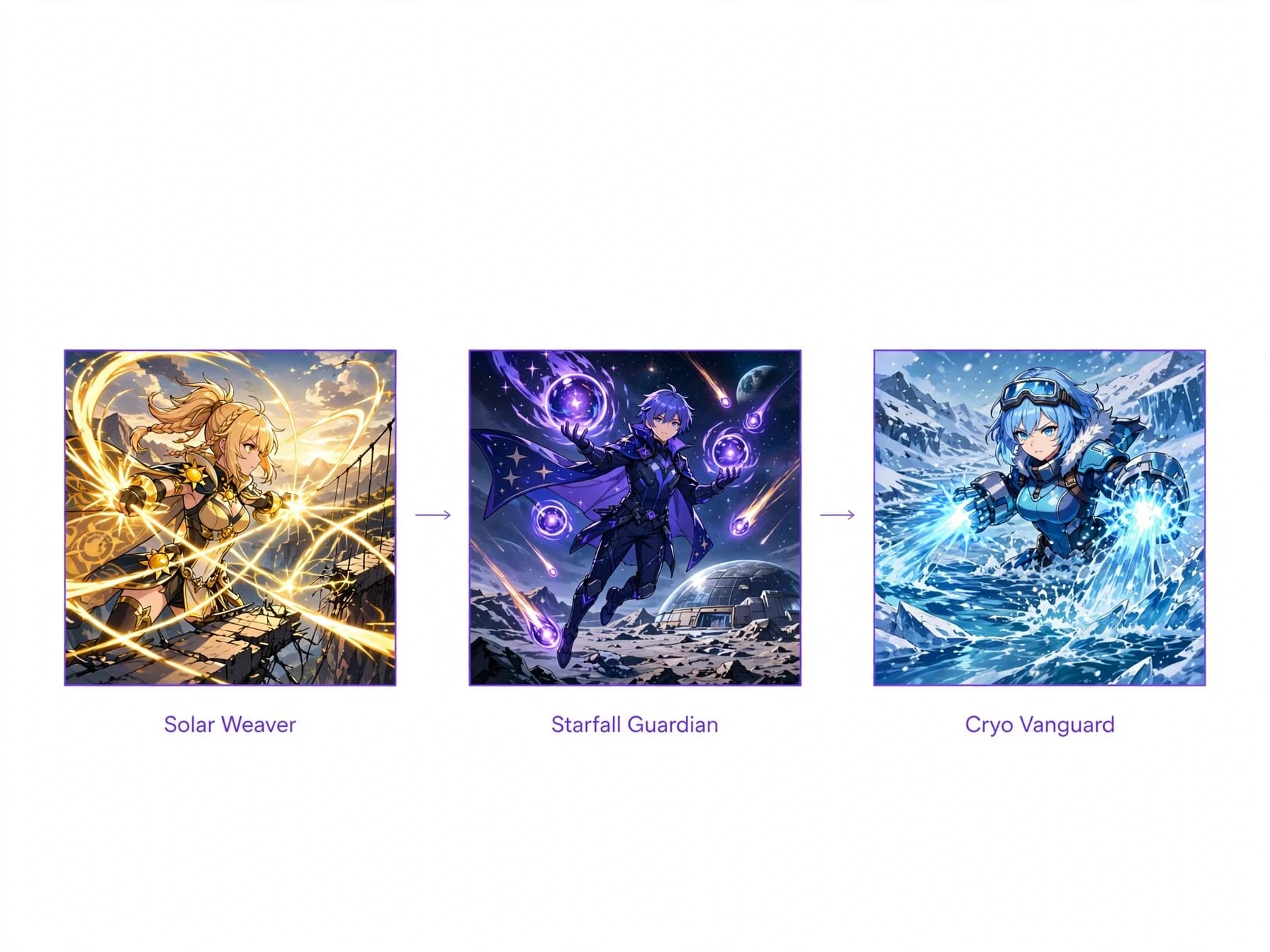
If you want larger stakes, cosmic and cybernetic themes open up breathtaking vistas. A stellar researcher known as Solar Weaver can weave raw sunlight into golden cables that hold up collapsing suspension bridges. Across the galaxy, an orbital pilot called Starfall Guardian commands localized gravity pockets to redirect burning meteor fragments away from populated domes.
On the technological side, an engineer like Ferrofluid Knight wears fluid magnetic armor that hardens into solid ballistic plates upon sudden impact. A rescue medic operating as Cryo Vanguard uses thermal drain gauntlets to freeze flash floods into sturdy emergency escape bridges. These abilities balance high science with practical survival missions.
When dealing with galactic scale, keep emotional anchors tied to quiet personal stakes. Even a hero who navigates deep space voids needs personal reasons to fight for humanity. Framing their journeys across multi-panel pages with an American comic generator brings bold, cinematic sci-fi drama right to your reader.
Tips for designing distinct costumes and power rules
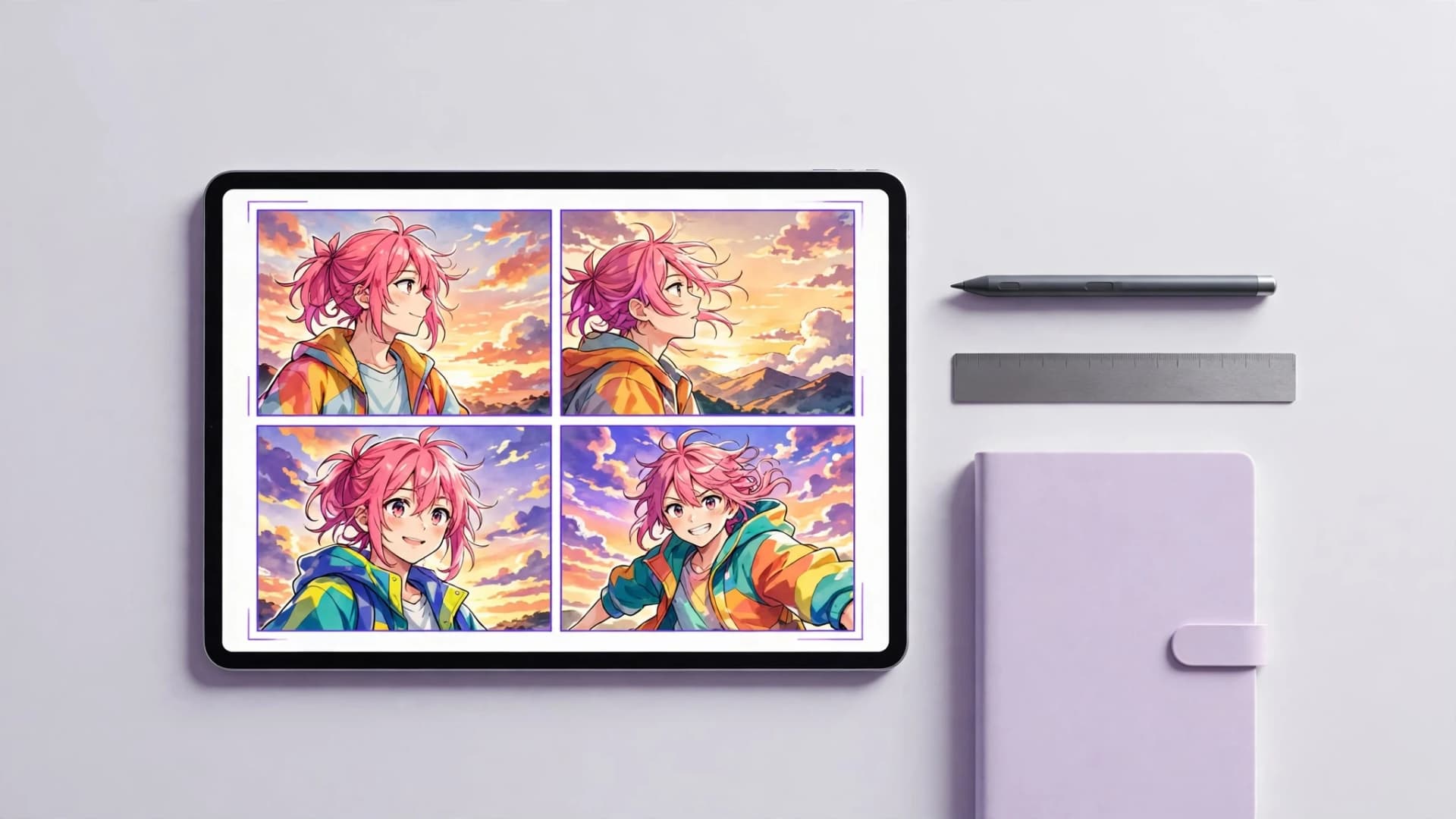
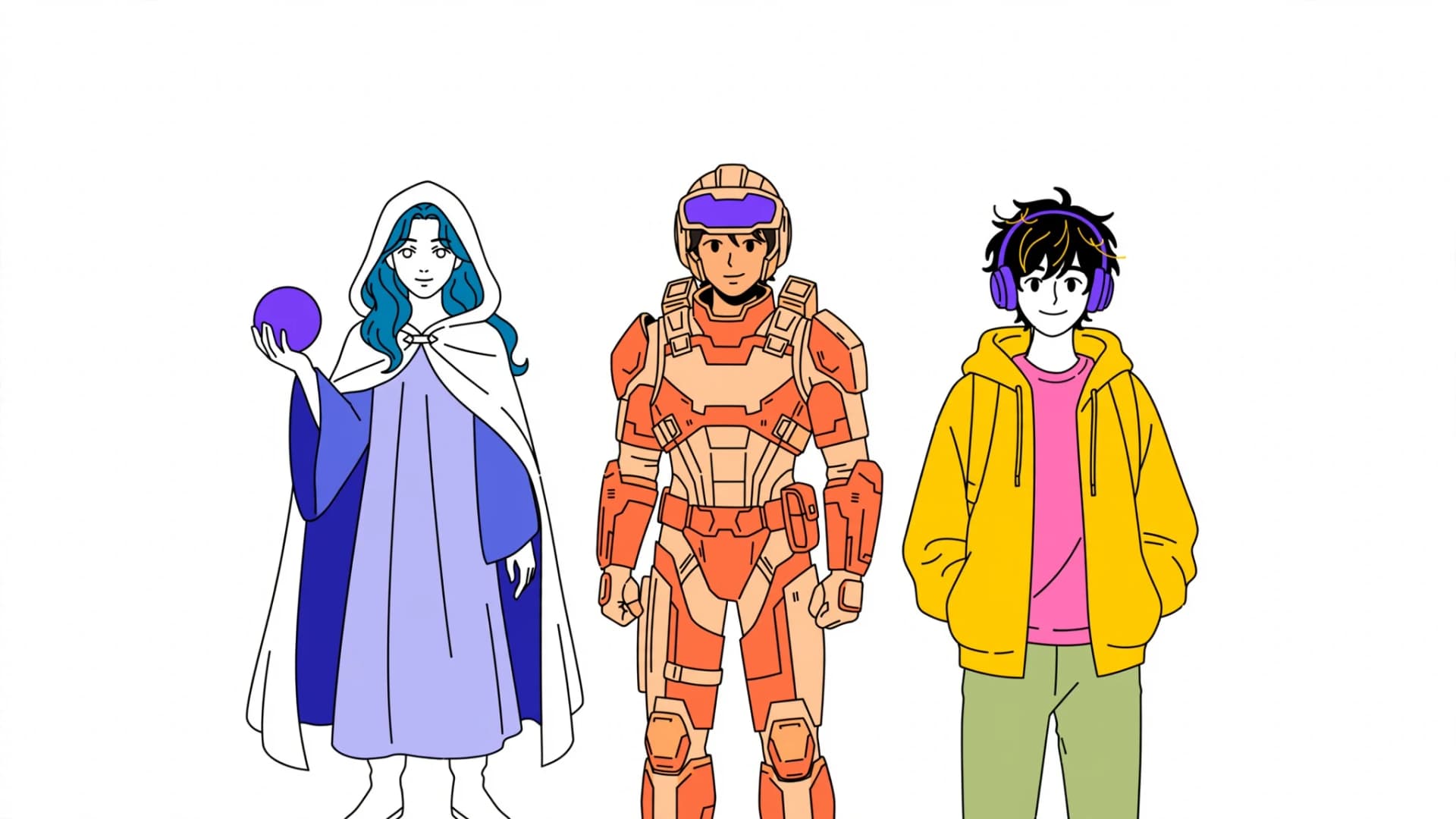
Whether you are working on superhero ideas drawing by hand or generating them, memorable heroes stand out by their silhouette long before readers read a single line of dialogue. Give your hero two contrasting colors and a signature piece of equipment like an asymmetrical visor or a weather-beaten trench coat. Clean silhouettes read well in dynamic manga panels and full-color webtoon pages.
Establish hard physical rules for how your hero uses their gifts during intense battle scenes. If someone burns through calories to exert super strength, show them running out of fuel during an exhausting standoff. Clear limits raise dramatic stakes and force your protagonist to outsmart opponents rather than simply overpowering them.
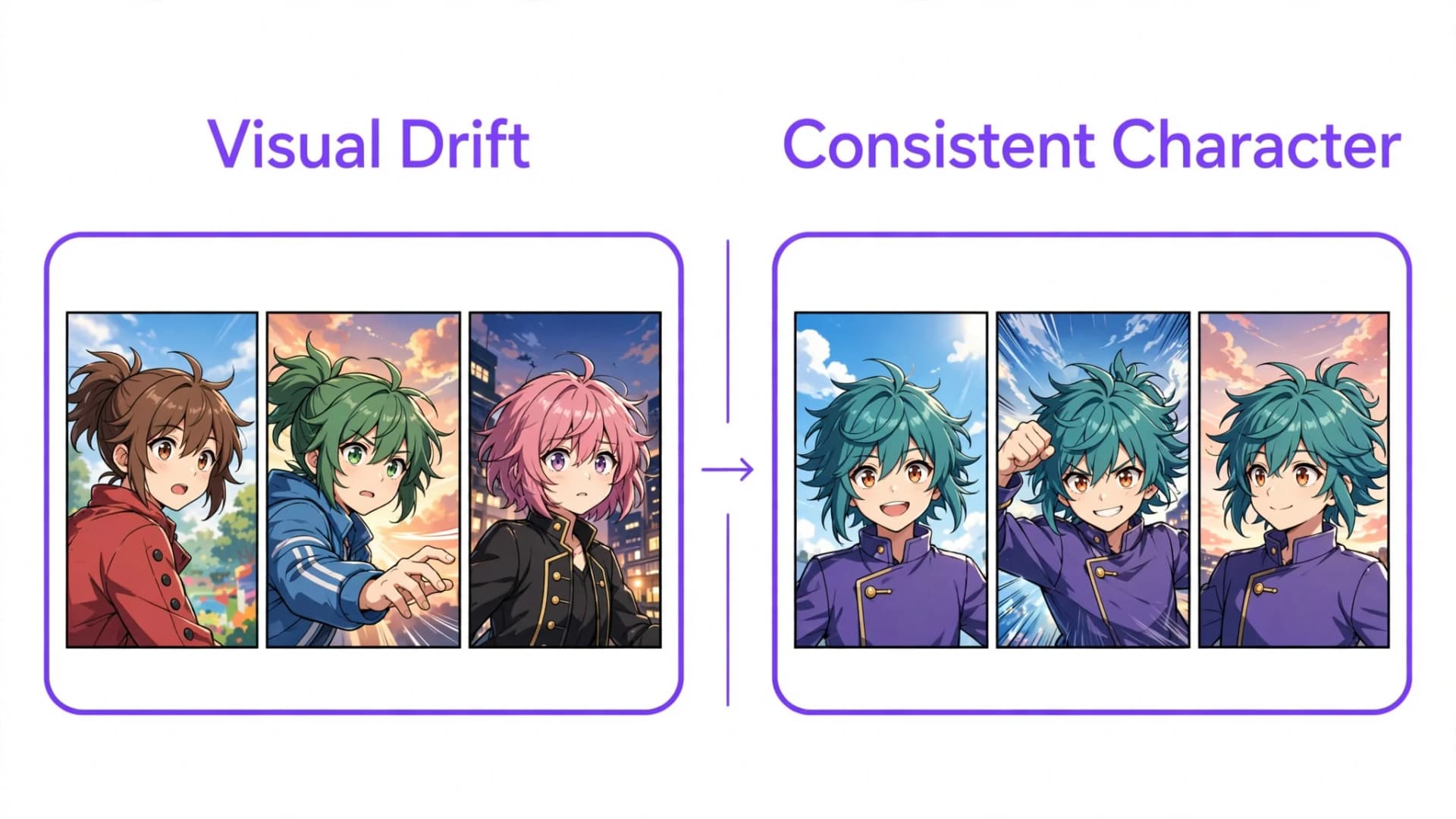
Write down your hero's visual traits clearly so they look consistent from their first appearance to the final showdown. Setting up your character profile in an OC maker helps lock in hair color, gear markings, and jacket patches across pages. A coherent visual presence keeps readers fully immersed and makes every comic encounter hit much harder.
Common pitfalls to avoid in superhero worldbuilding
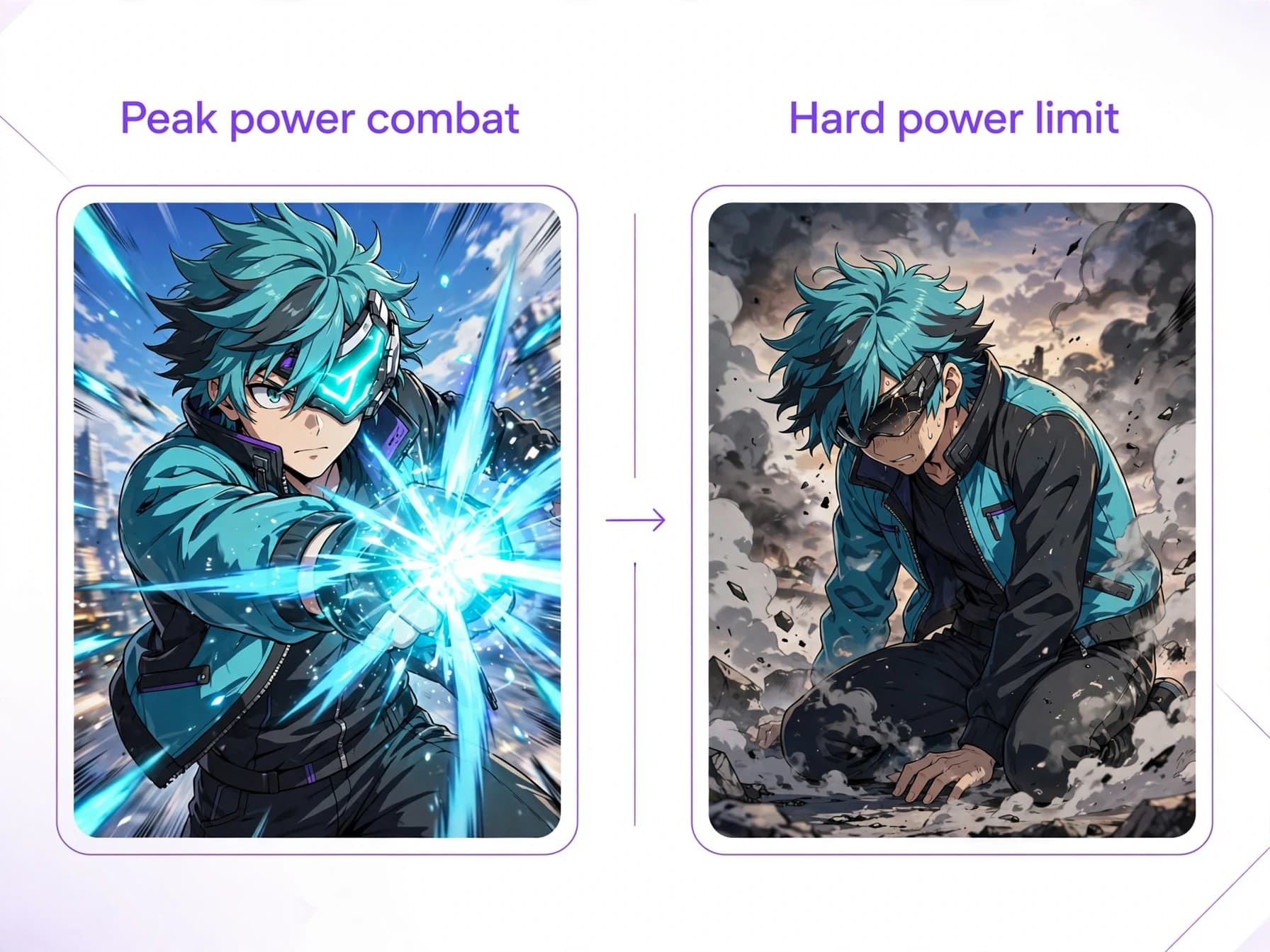
One frequent mistake is giving a hero limitless powers without any personal flaws or vulnerabilities. When a protagonist can solve every dangerous situation with an effortless blast, the story loses all tension and suspense. Even cosmic champions should face emotional conflicts or physical drawbacks that keep readers on edge.
Another pitfall is cramming too many backstories and villain factions into the very first chapter. Readers need time to understand your main lead before tracking an entire underground syndicate of rivals. Start with a single neighborhood incident that showcases what your hero stands for before introducing larger threats.
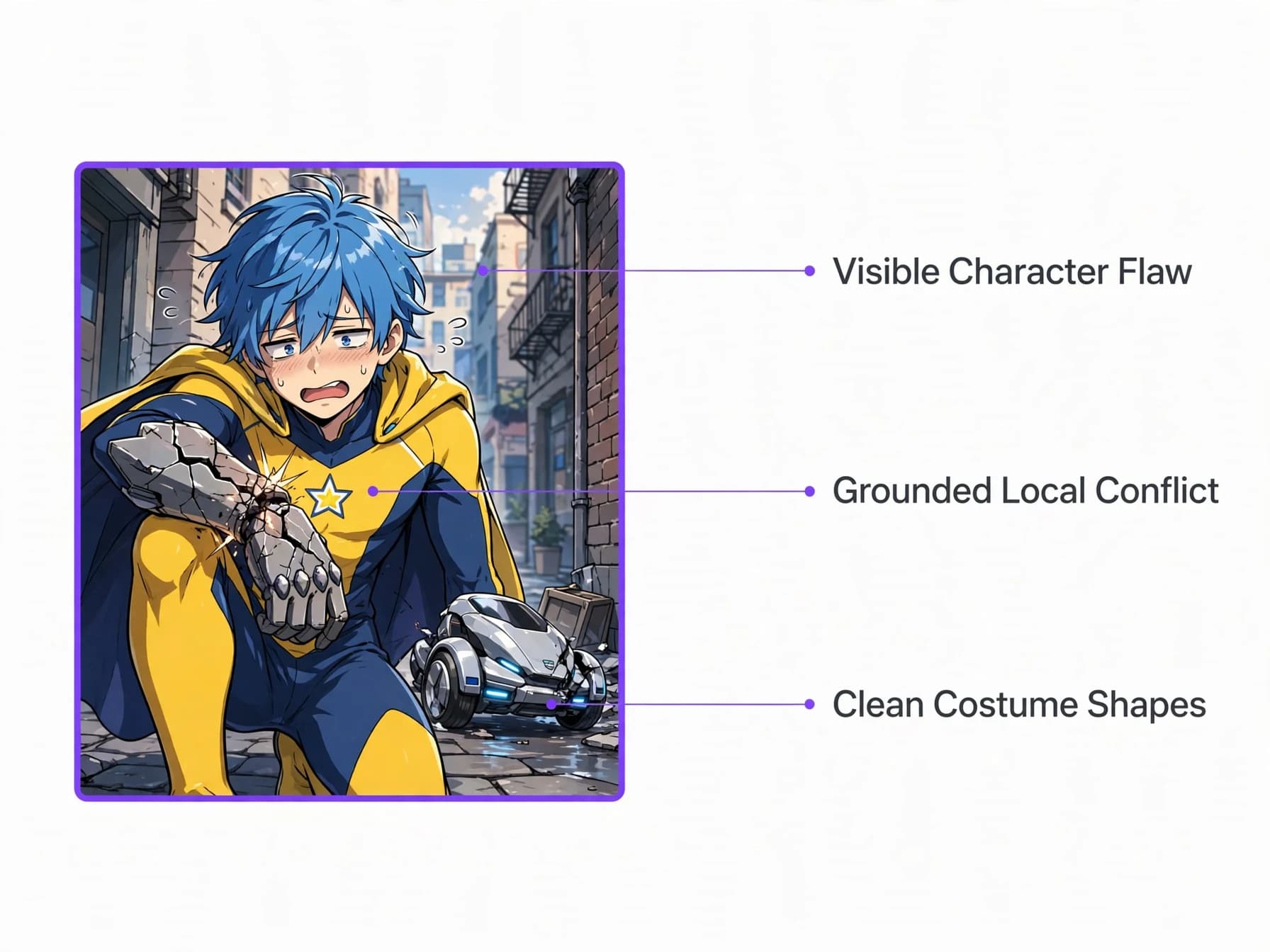
Avoid overcomplicating costume patterns with dozens of tiny glowing lines and random accessories. Cluttered designs distract from the central action and can make action sequences look messy across smaller panels. Simple shapes with recognizable highlights always produce the cleanest comic pages.
Bringing your superhero ideas to life on comic pages
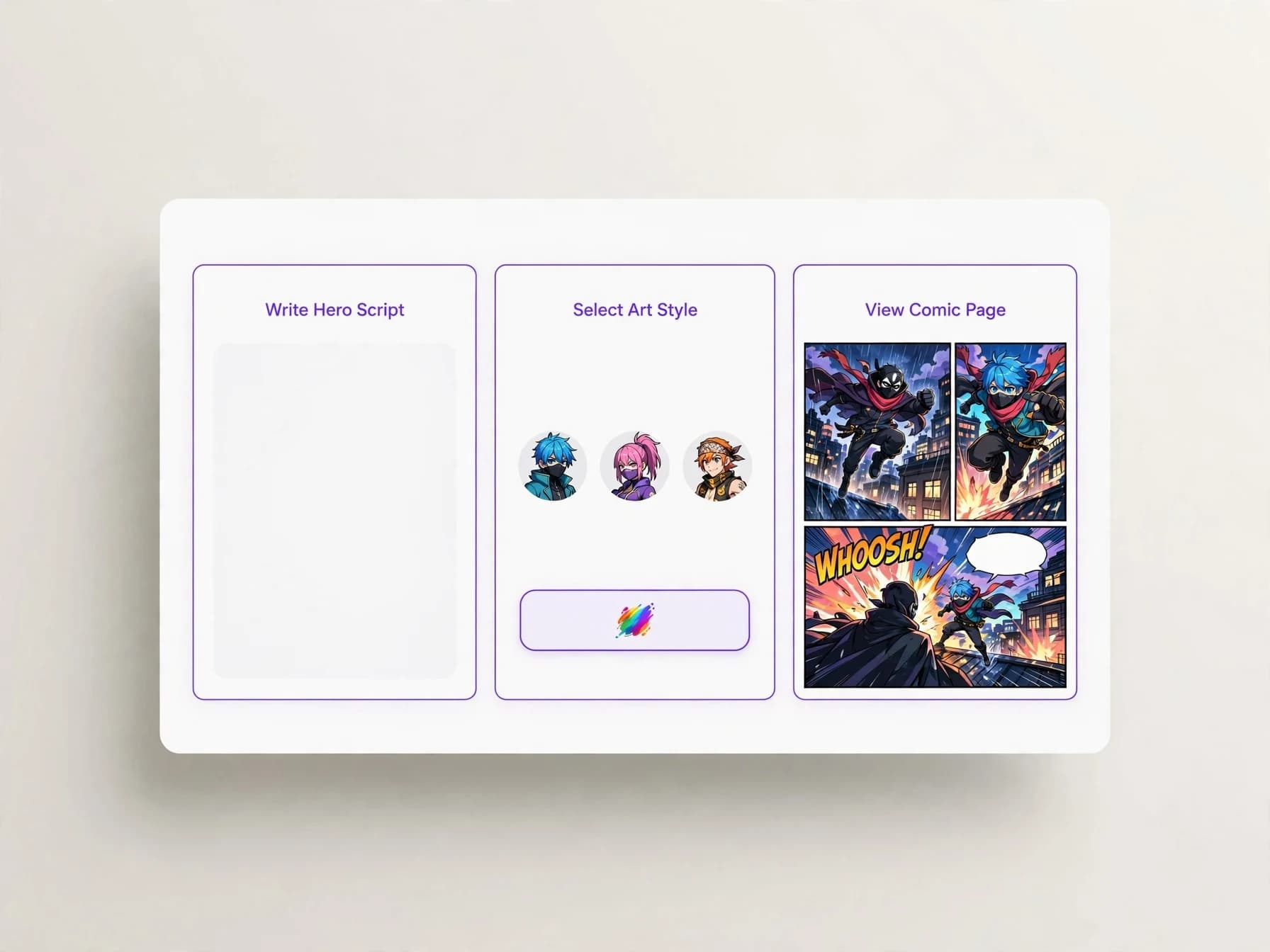
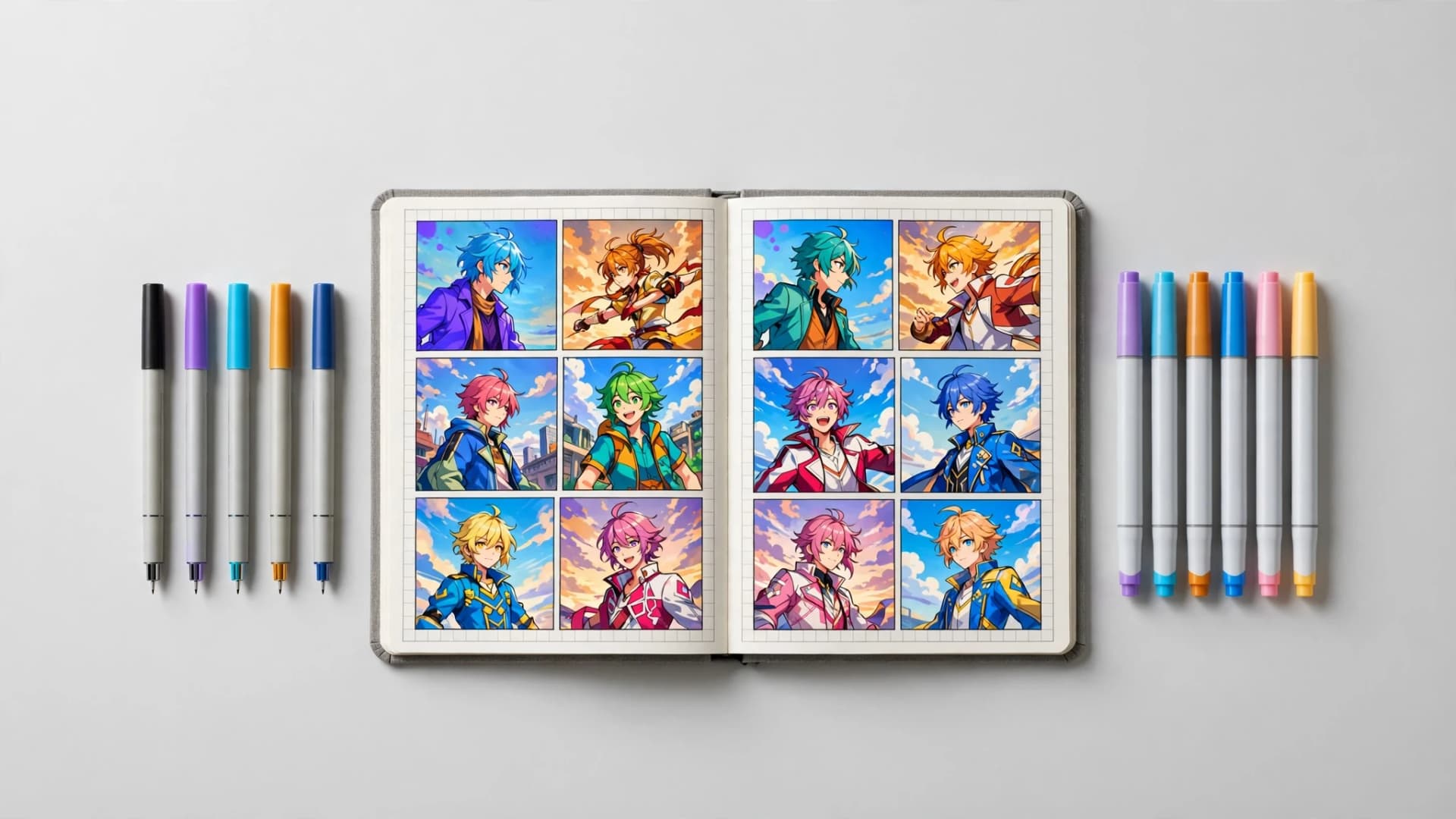
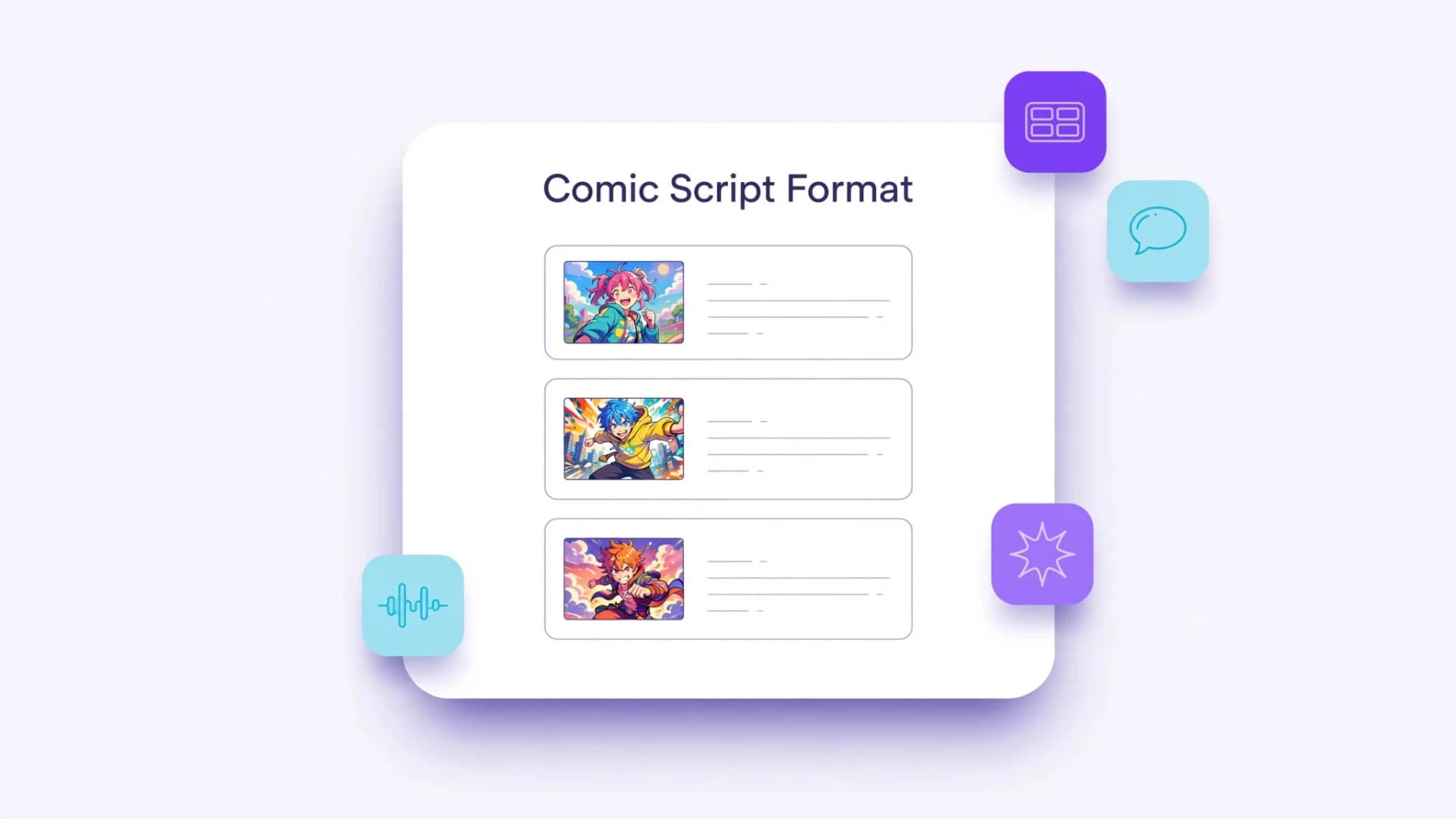
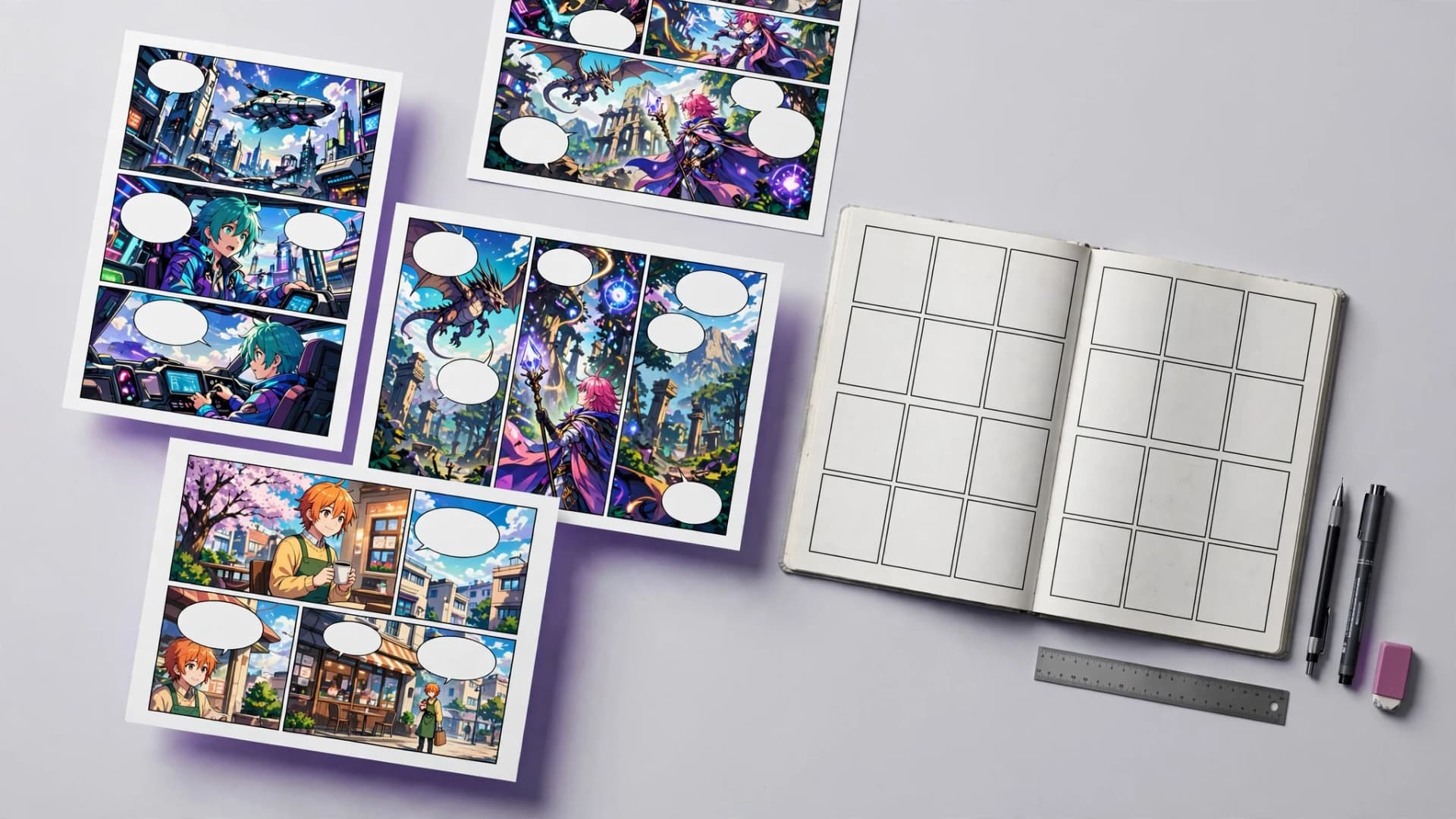
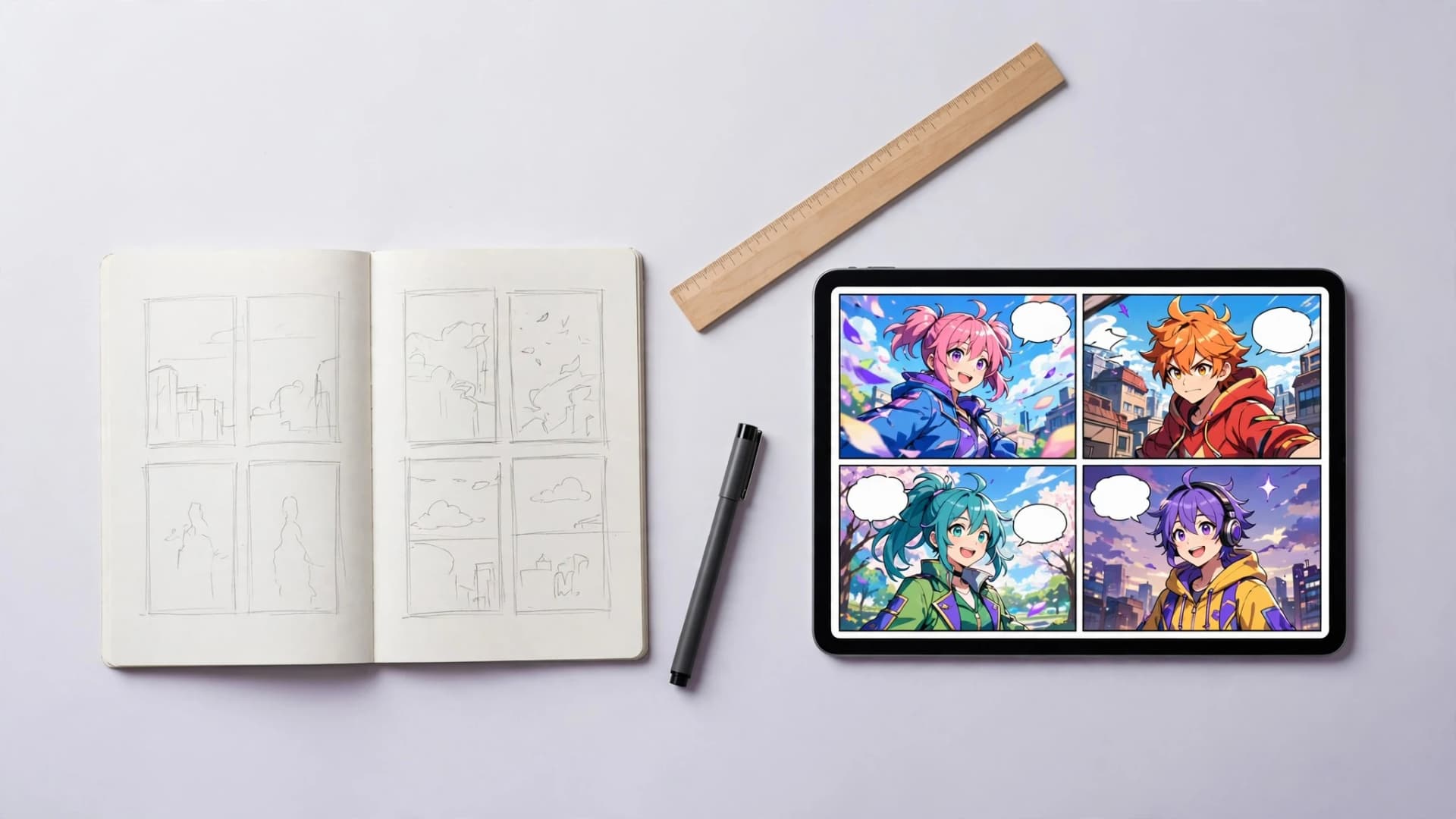
Transforming your notebook of superhero concepts into finished comic pages does not require an art studio or complicated drawing software. You can simply write a short description of an alleyway clash in an AI comic generator and turn it into sequential panels. Seeing your characters come alive with speech bubbles makes worldbuilding feel immediate and rewarding.
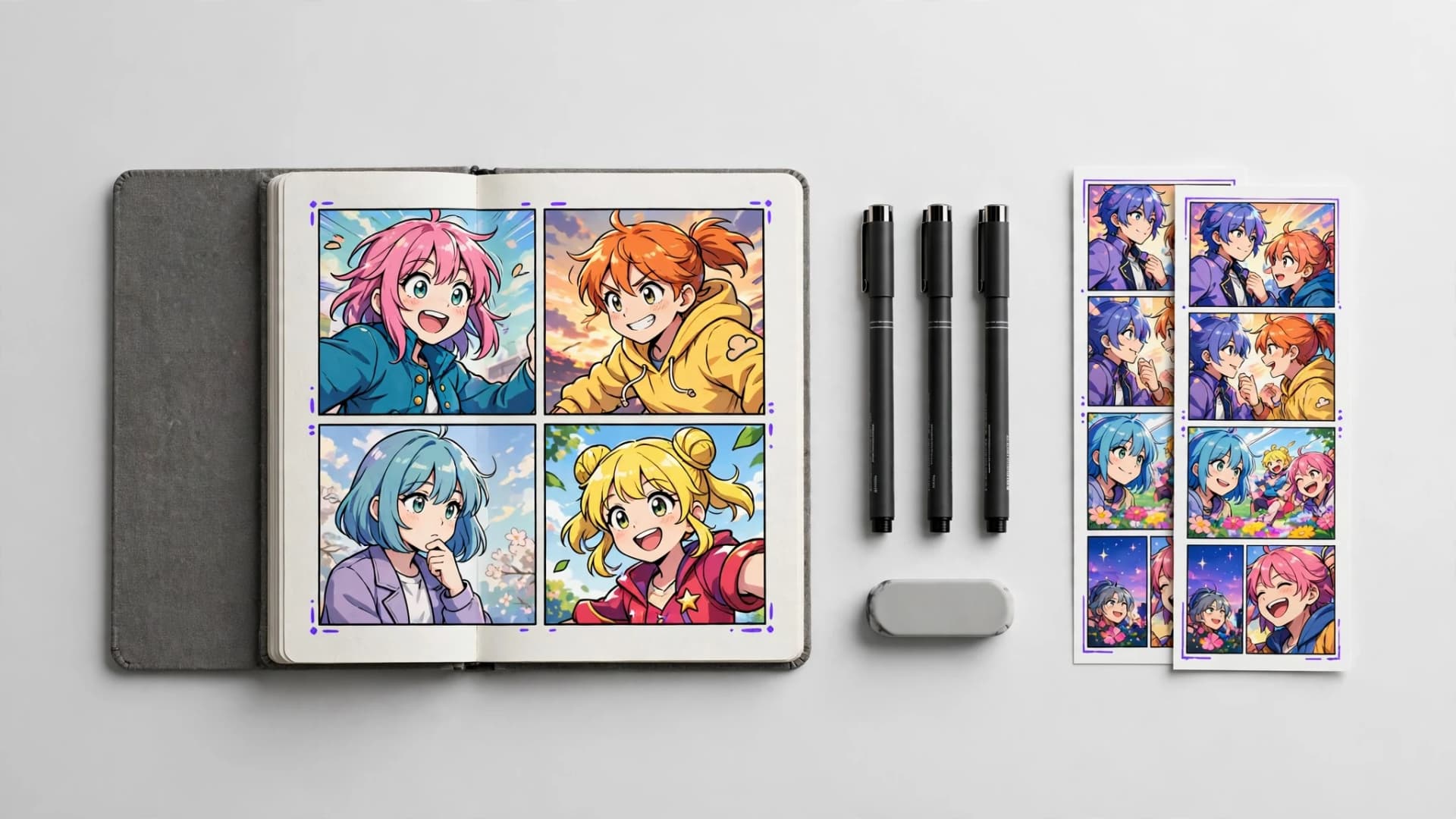
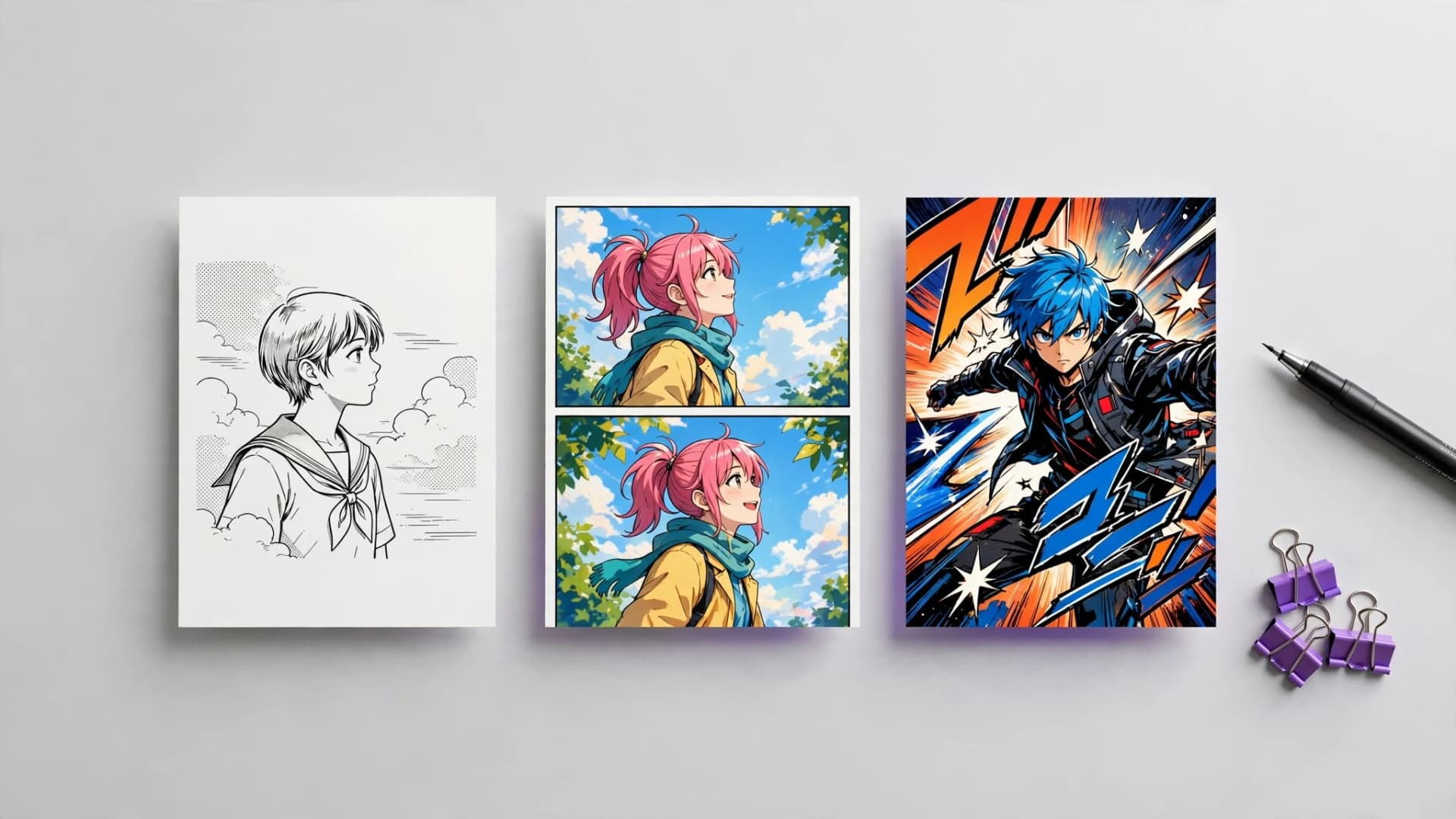
You can save up to four custom characters so your hero and their arch-rival keep their signature look from page to page (Pro plans allow up to 12 pages per comic). Choose from dozens of manga, manhwa, and classic comic art styles to capture the exact mood your script demands. Every completed page can then be downloaded as a clean PNG image without watermarks.
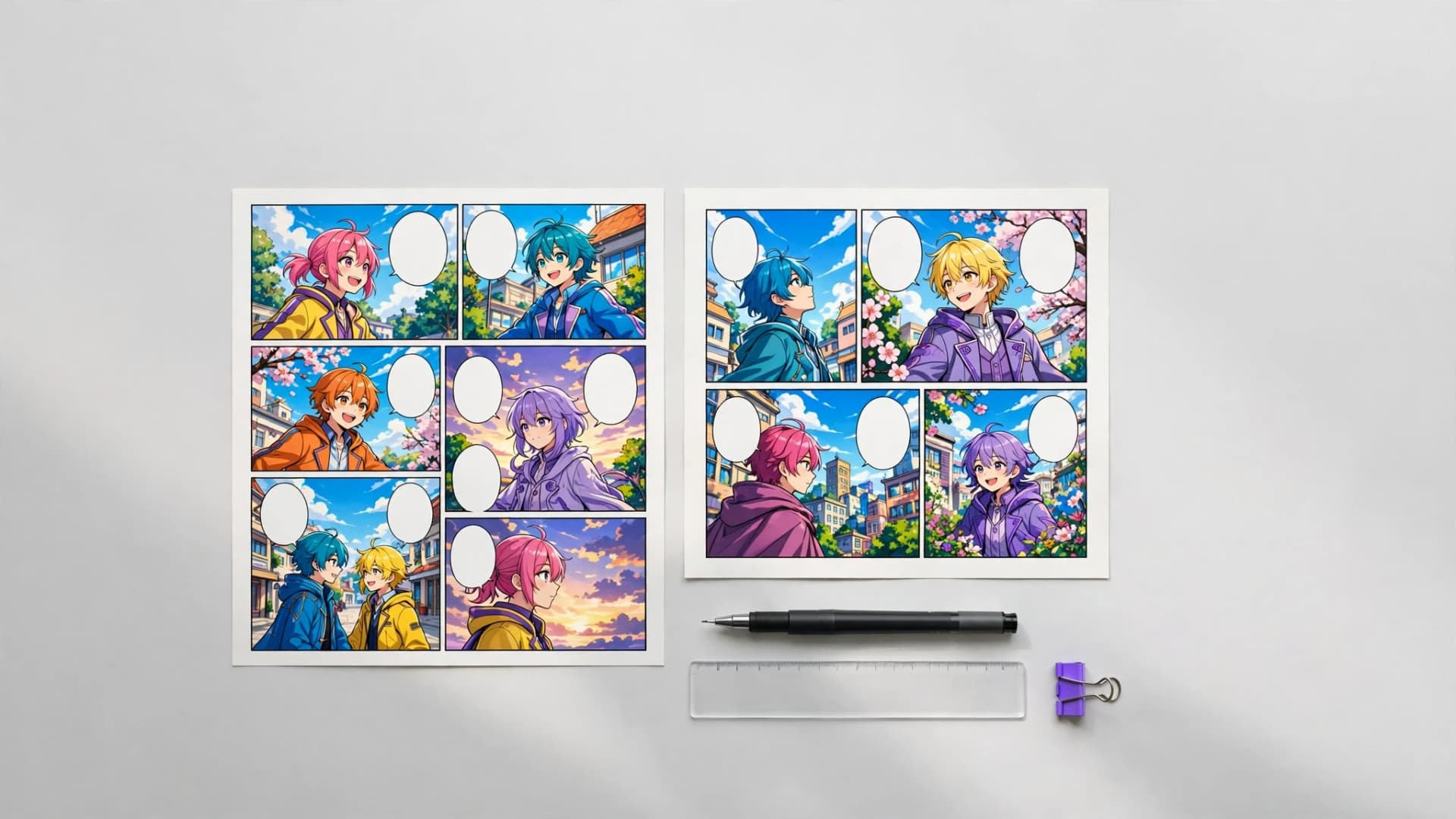
After you sign up, you can start with one comic page of up to four panels, enough to test your first showdown. Think of it as a superhero ideas generator for the page itself: you bring the concept, and the comic maker lays it out in panels. If you are learning how to make a comic for the very first time, seeing your drafts come together panel by panel shows you what works before you write more. Whether you want a gritty black-and-white vigilante case or a vibrant webtoon scroll, your hero is ready for action. Review the frequently asked questions below to get started on your debut issue.