
Why fresh villain ideas give your story genuine purpose
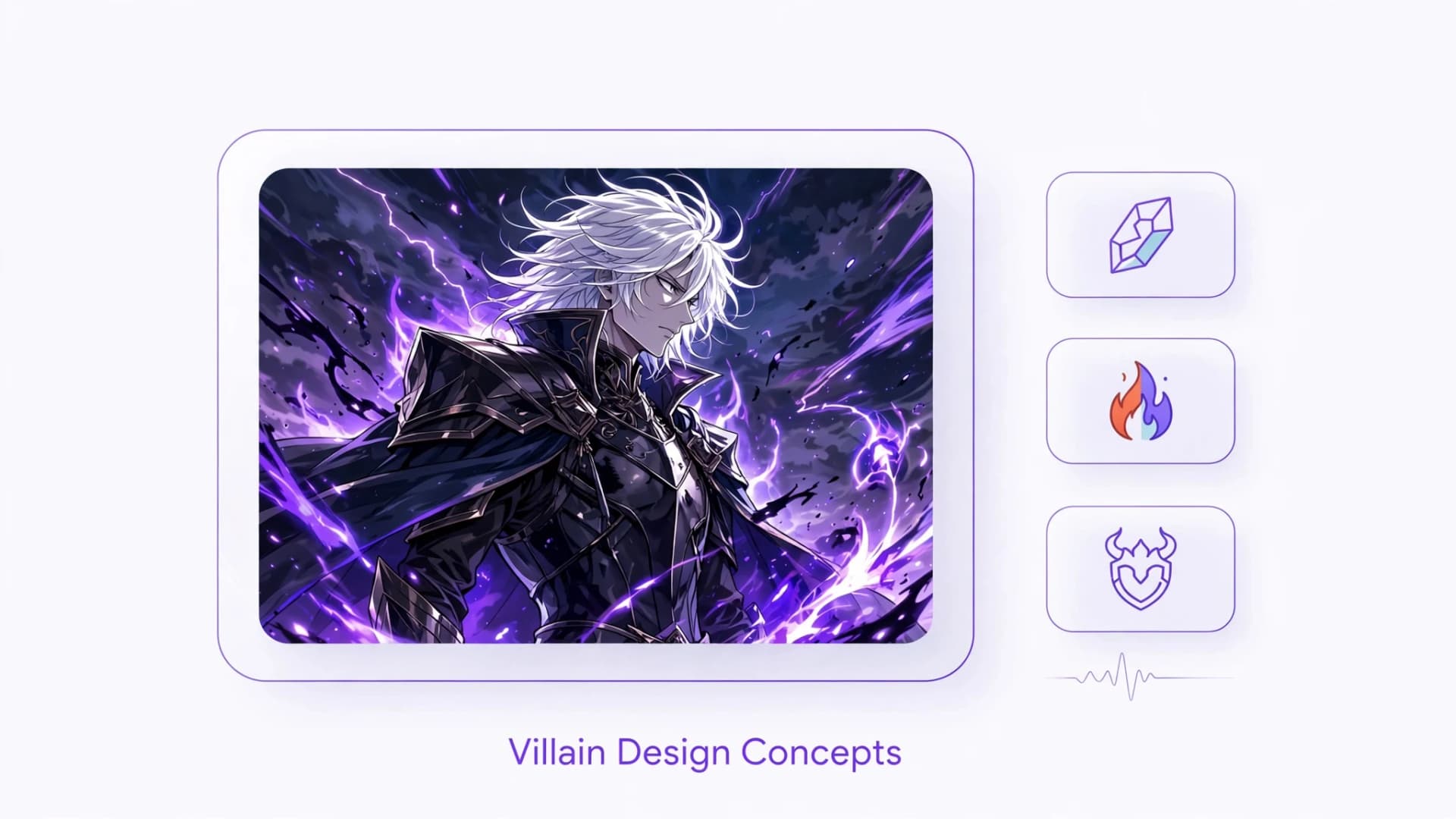
Every memorable manga or webtoon thrives on a compelling clash of wills. Developing original villain ideas begins with understanding what drives an antagonist forward. When an antagonist lacks genuine conviction, your story risks falling into predictable good-versus-evil showdowns that readers quickly forget. The best villains mirror your hero's hidden doubts and force them to grow.
A great adversary does not need to start with apocalyptic ambitions. Sometimes the quietest motivations create the sharpest conflict, such as an abandoned sibling seeking closure or a guardian breaking sacred laws to save a single life. When their goal feels rational, readers cannot look away.
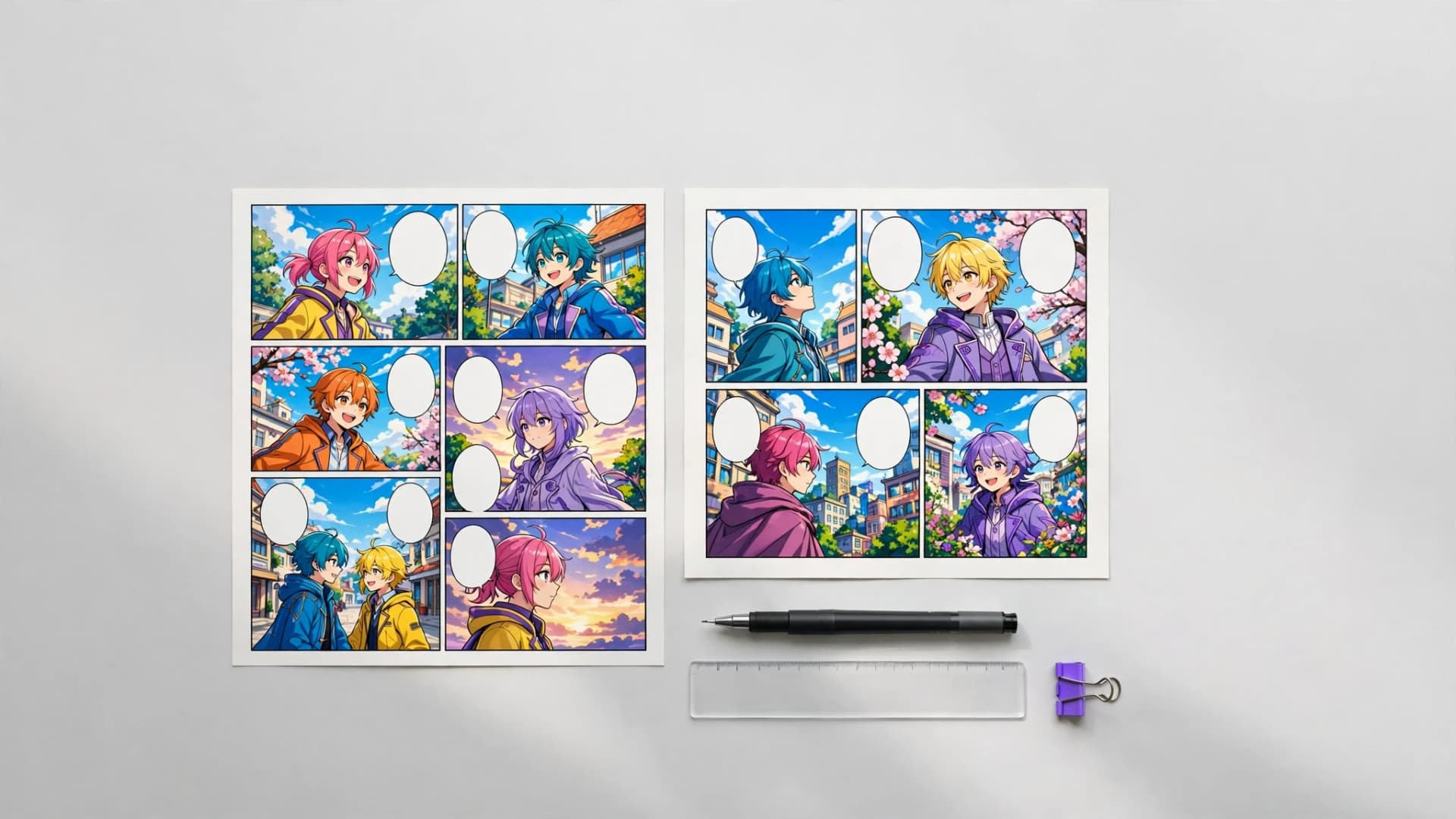
Putting those tense encounters into visual panels brings your rivalry alive right away. Whether you work with manga layouts or an american comic generator aesthetic, you can sketch out these comic villain ideas in your mind, then see them unfold across comic pages before you know it.
Philosophical villain ideas that challenge your protagonist
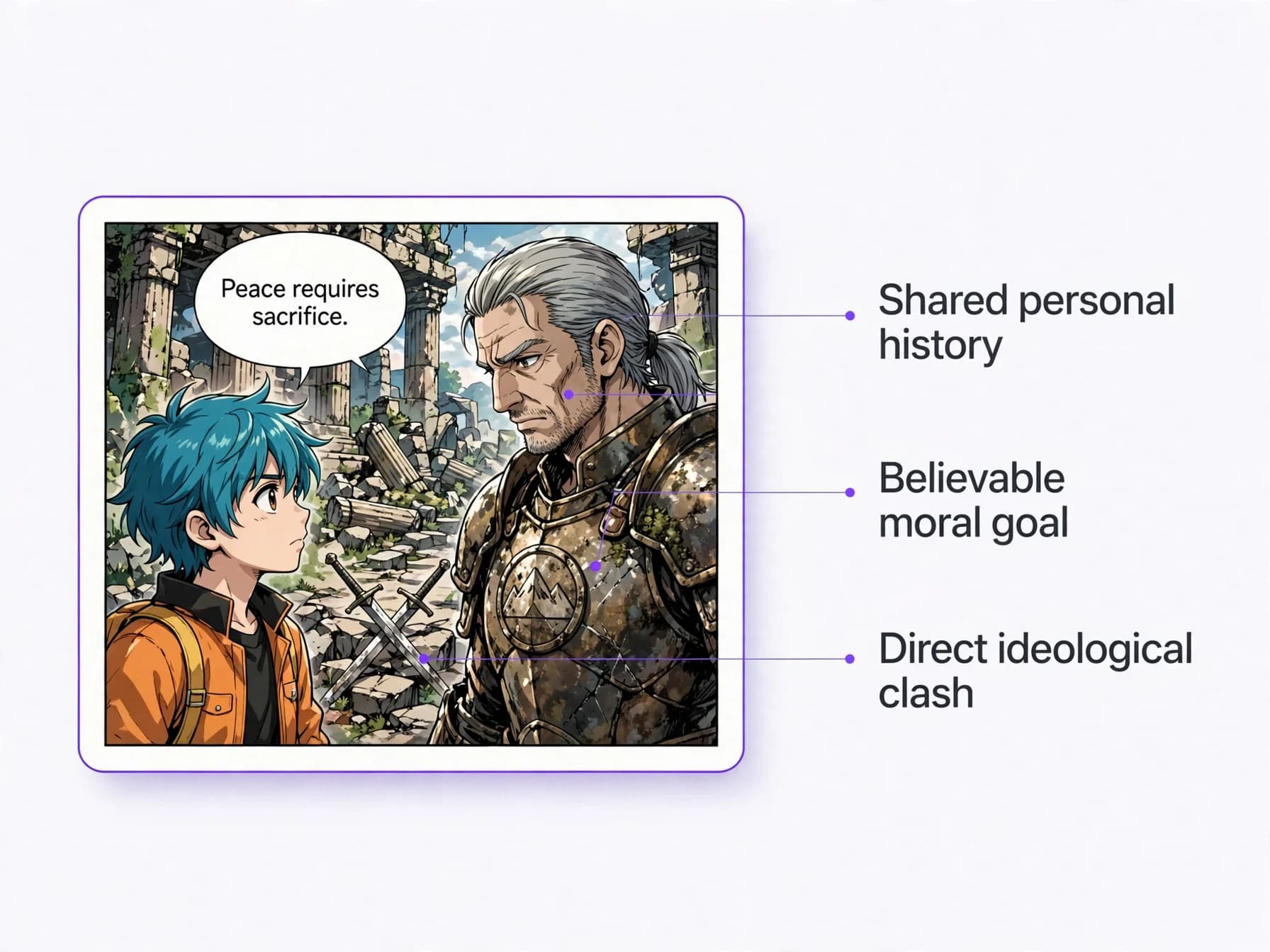
Philosophical antagonists hook readers because their arguments carry genuine weight. When developing fresh antagonist ideas alongside broader oc ideas and overarching comic ideas, consider a well-meaning extremist who wipes out high-tech infrastructure to end urban poverty, forcing your protagonist to question the true cost of peace. This dynamic creates gripping dialogue that turns every battle into an ethical test.
Another classic archetype is the fallen mentor who abandons an ancient peaceful order after witnessing systemic corruption. Because they taught your main character everything they know, every clash carries heavy emotional history. Their attacks target personal vulnerabilities rather than random collateral damage.
You can also explore the radical preservationist or the unchecked innovator. One seeks to freeze civilization in stone to protect nature, while the other treats human lives as acceptable test data to cure a terminal disease. Both push your hero to defend their beliefs under severe pressure.
Super villain powers tied directly to ideological conflict
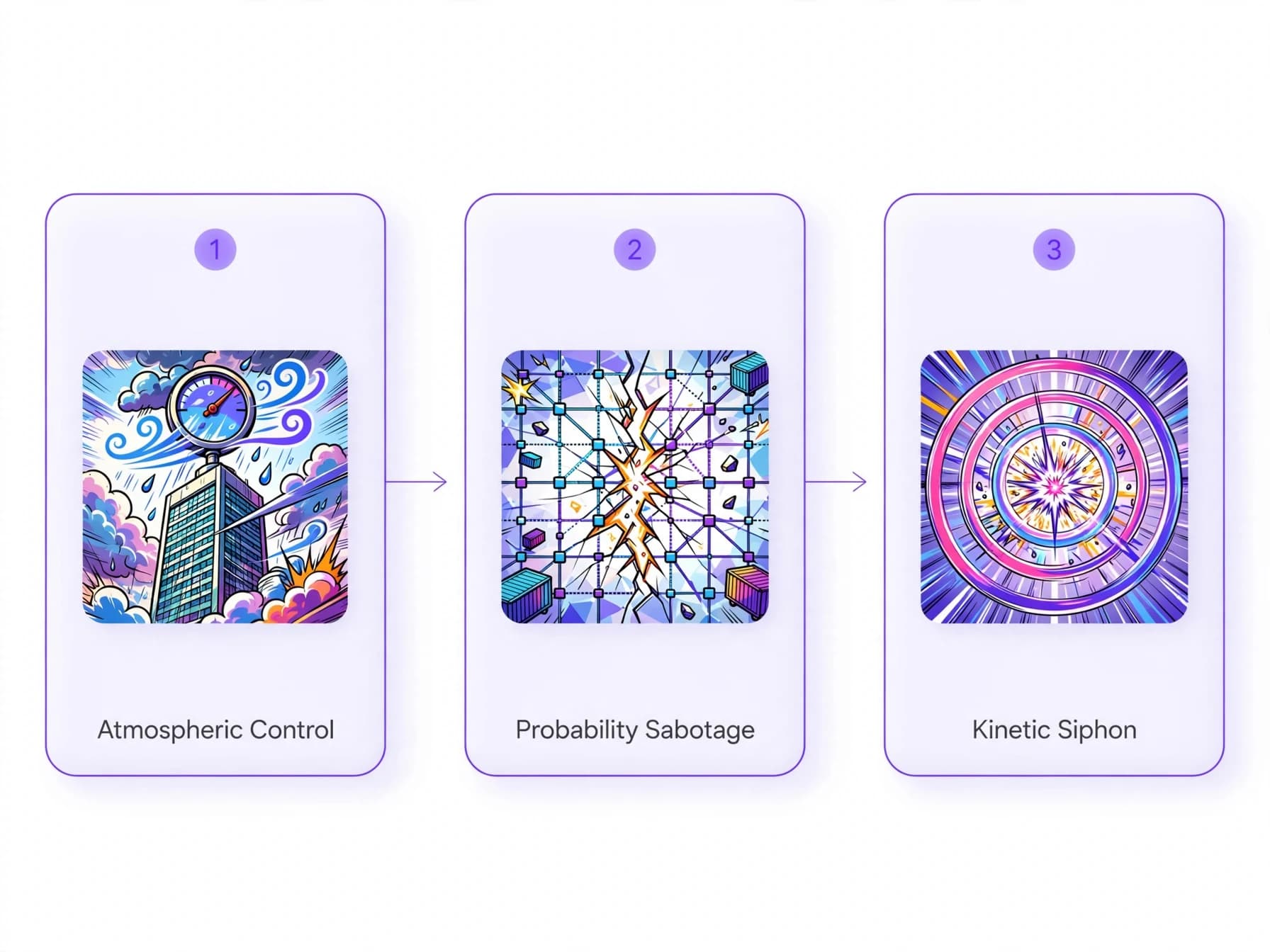
Unforgettable abilities shine brightest when they reflect an antagonist's social grievances. Just as contrasting superhero ideas require clear grounding, an atmospheric architect who controls barometric pressure can quietly choke corporate penthouses until economic resources reach starving lower wards. Their ability is not just flashy magic, but a focused political statement.
Similarly, a probability saboteur can nudge micro-events to trigger untraceable logistical chaos across an entire sprawling metropolis. They stay invisible to standard surveillance networks while dismantling oppressive systems piece by piece. Readers enjoy watching how clever wits outmaneuver raw brute strength.
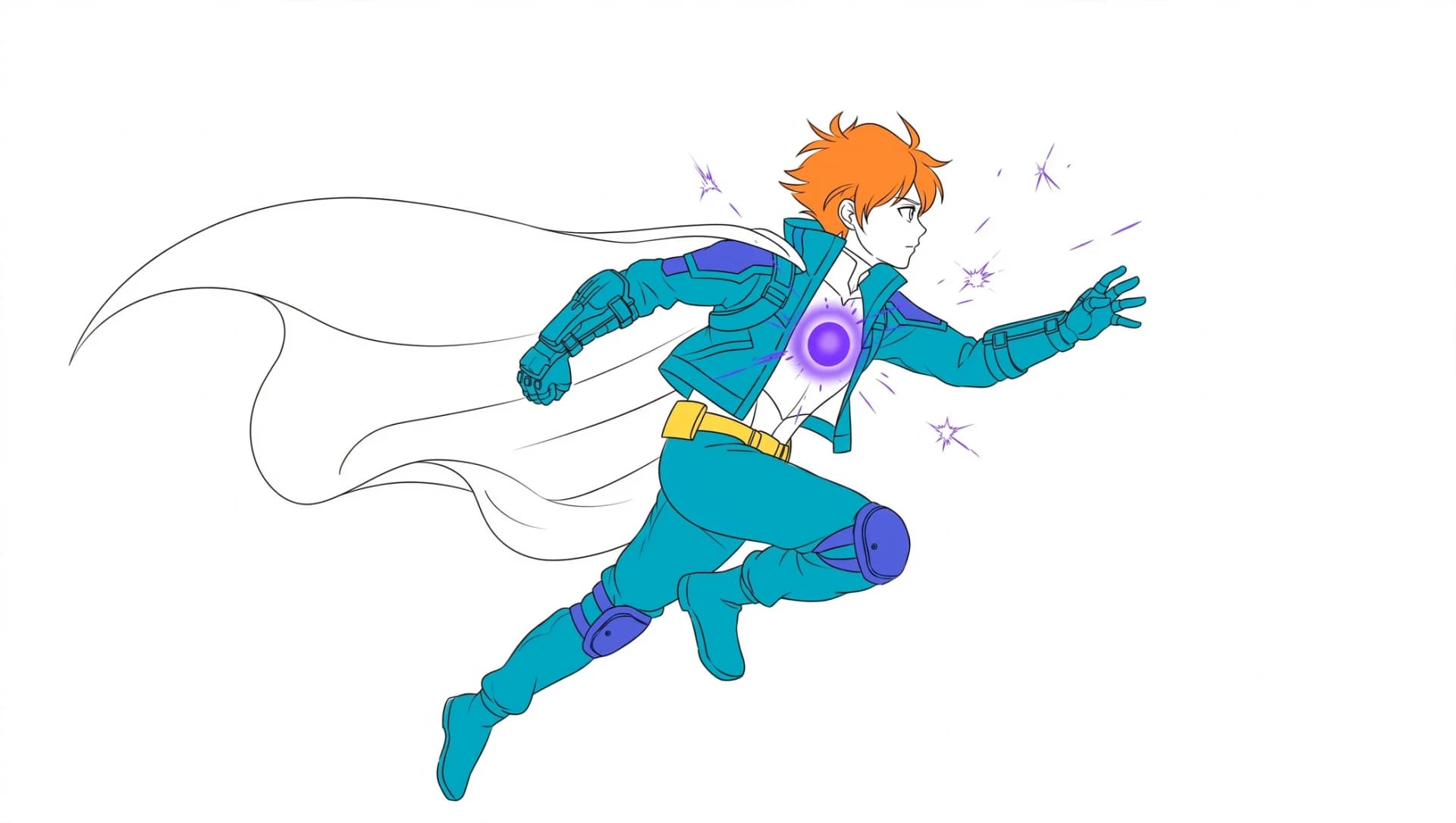
You might also craft a fungal symbiont who links citizens into a shared mind to cure loneliness, or a kinetic siphon who turns heroic strikes into destructive shockwaves. Visualizing these dynamic powers across a multi-panel sequence shows you how the fight plays out before your eyes.
How to build and test your comic antagonist in panels
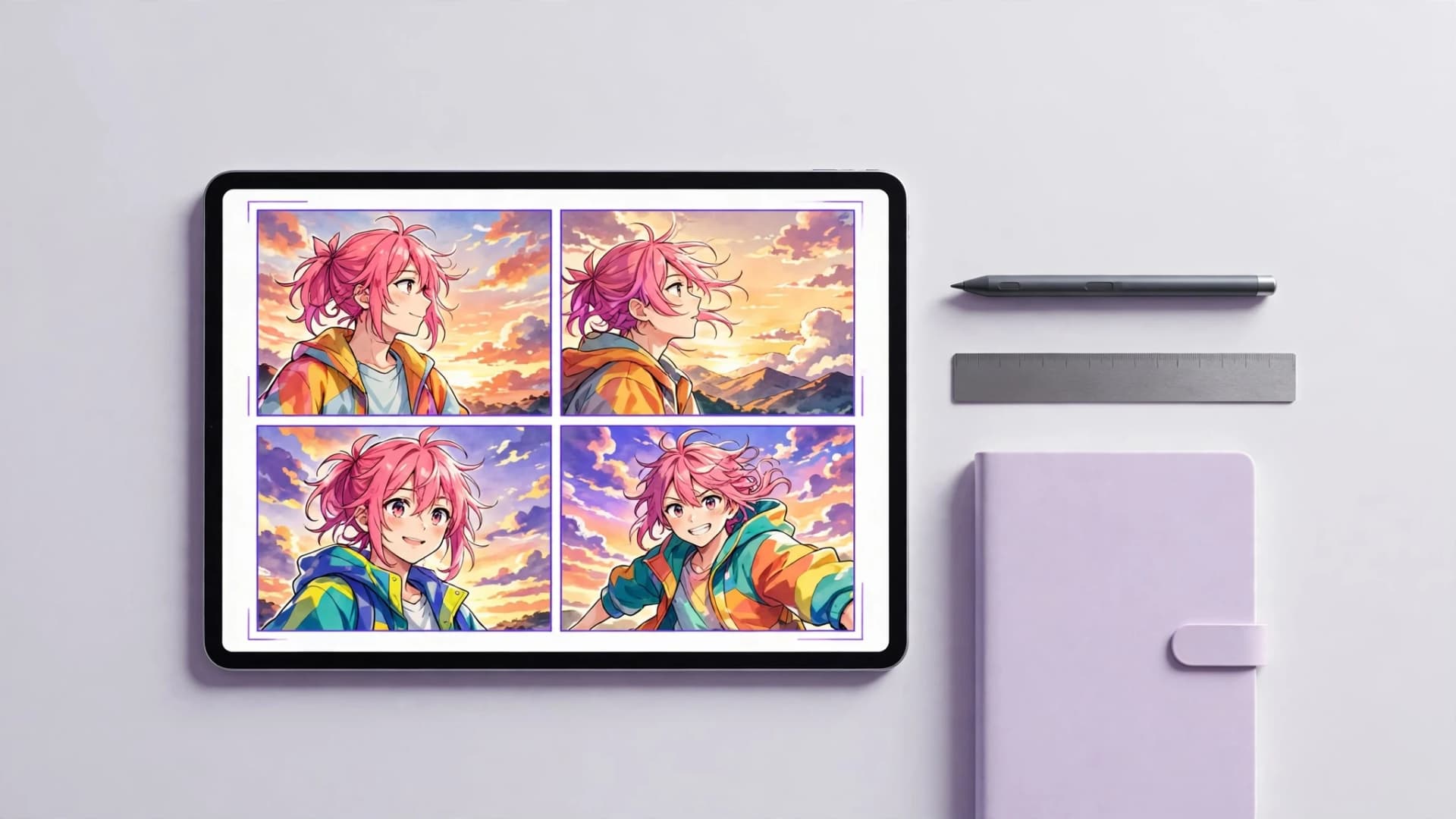
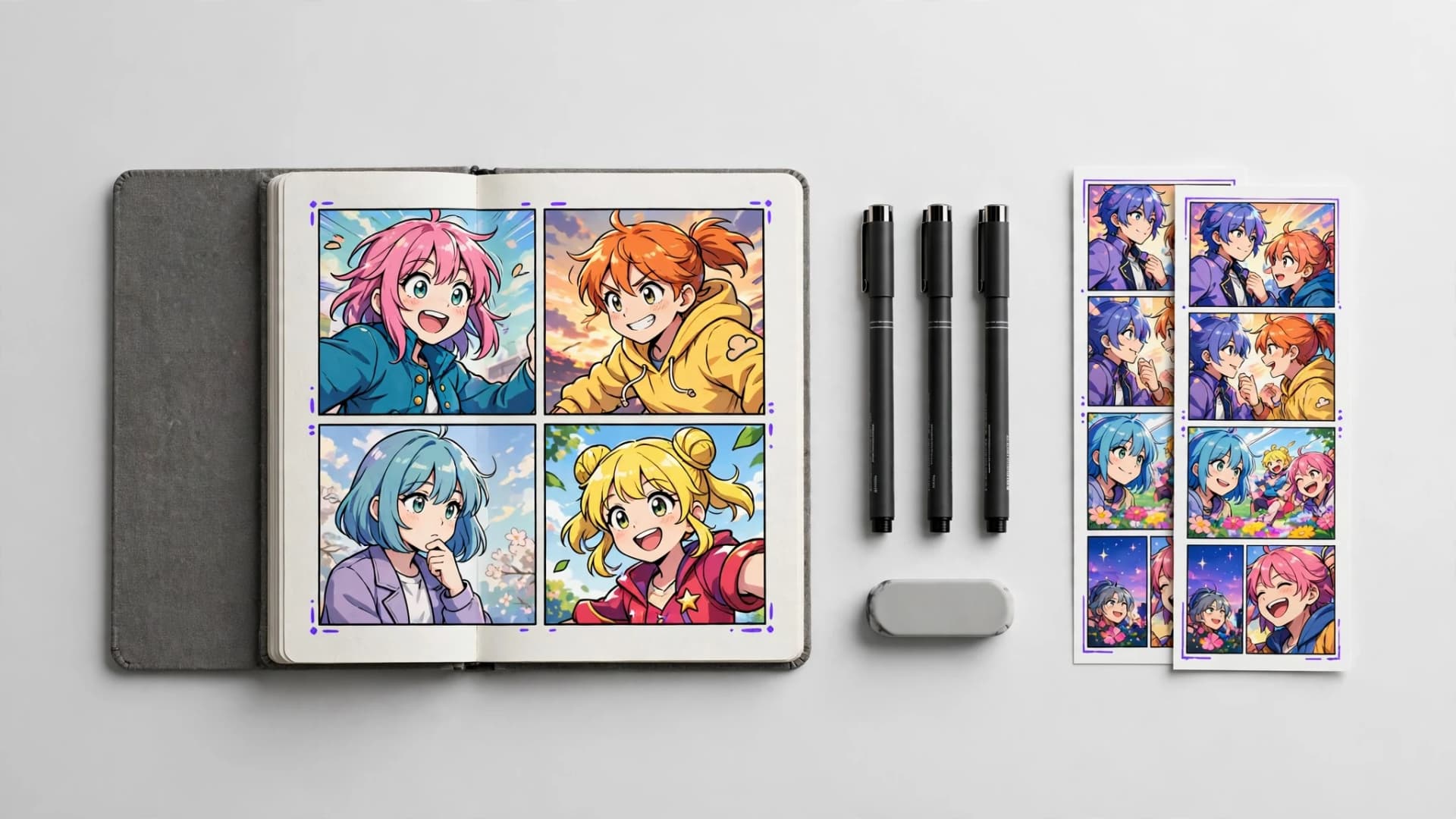
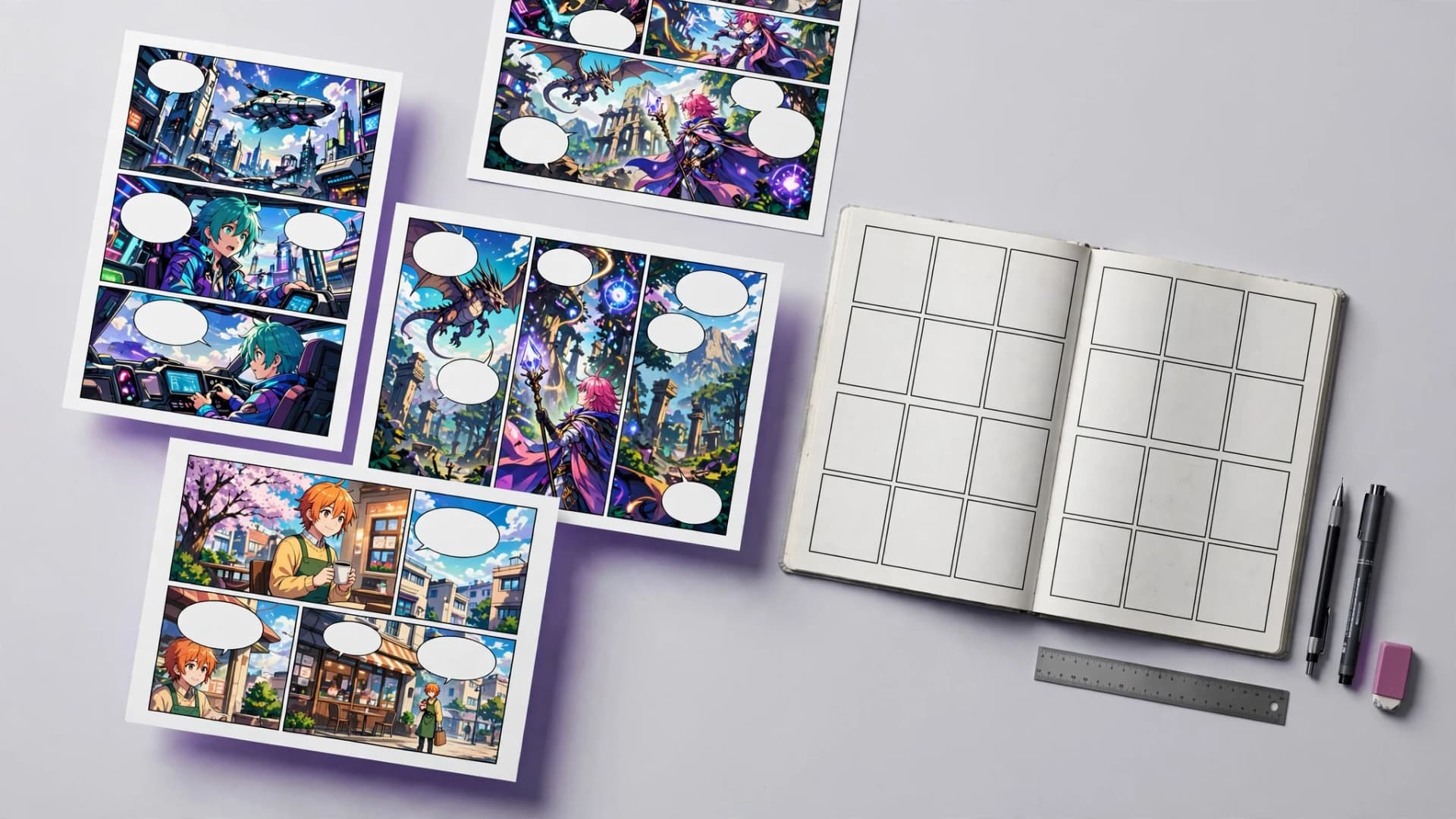
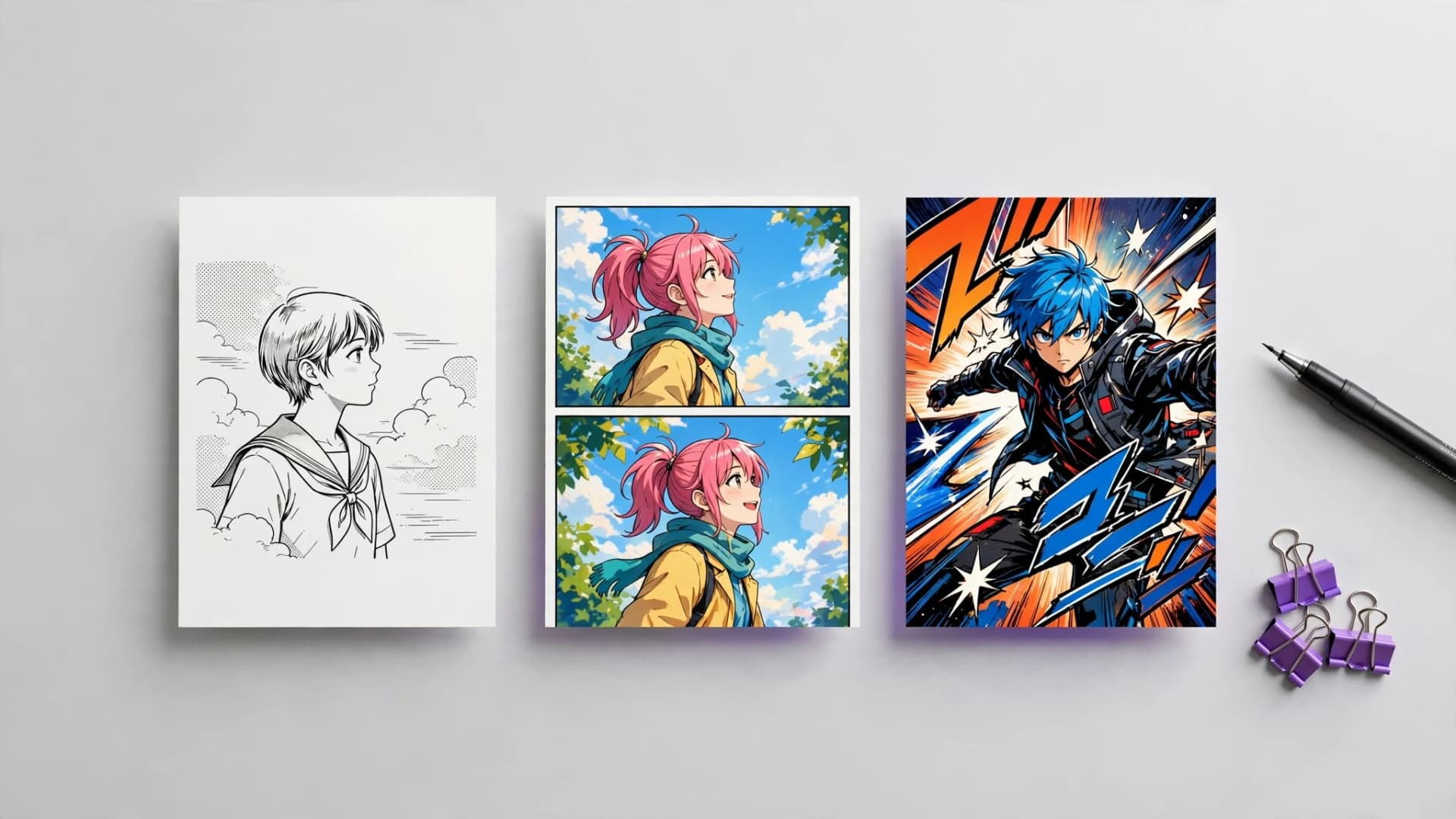
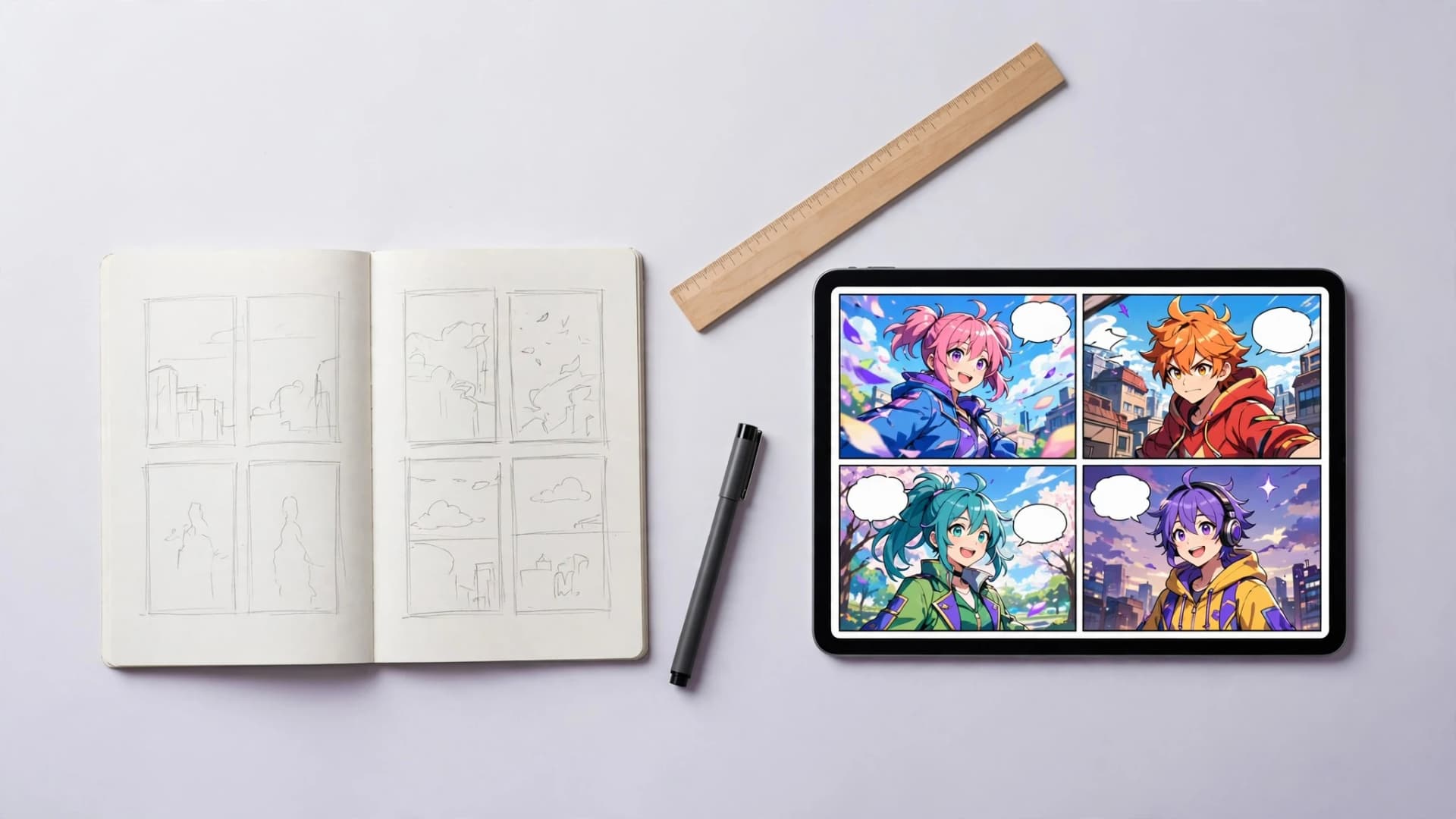
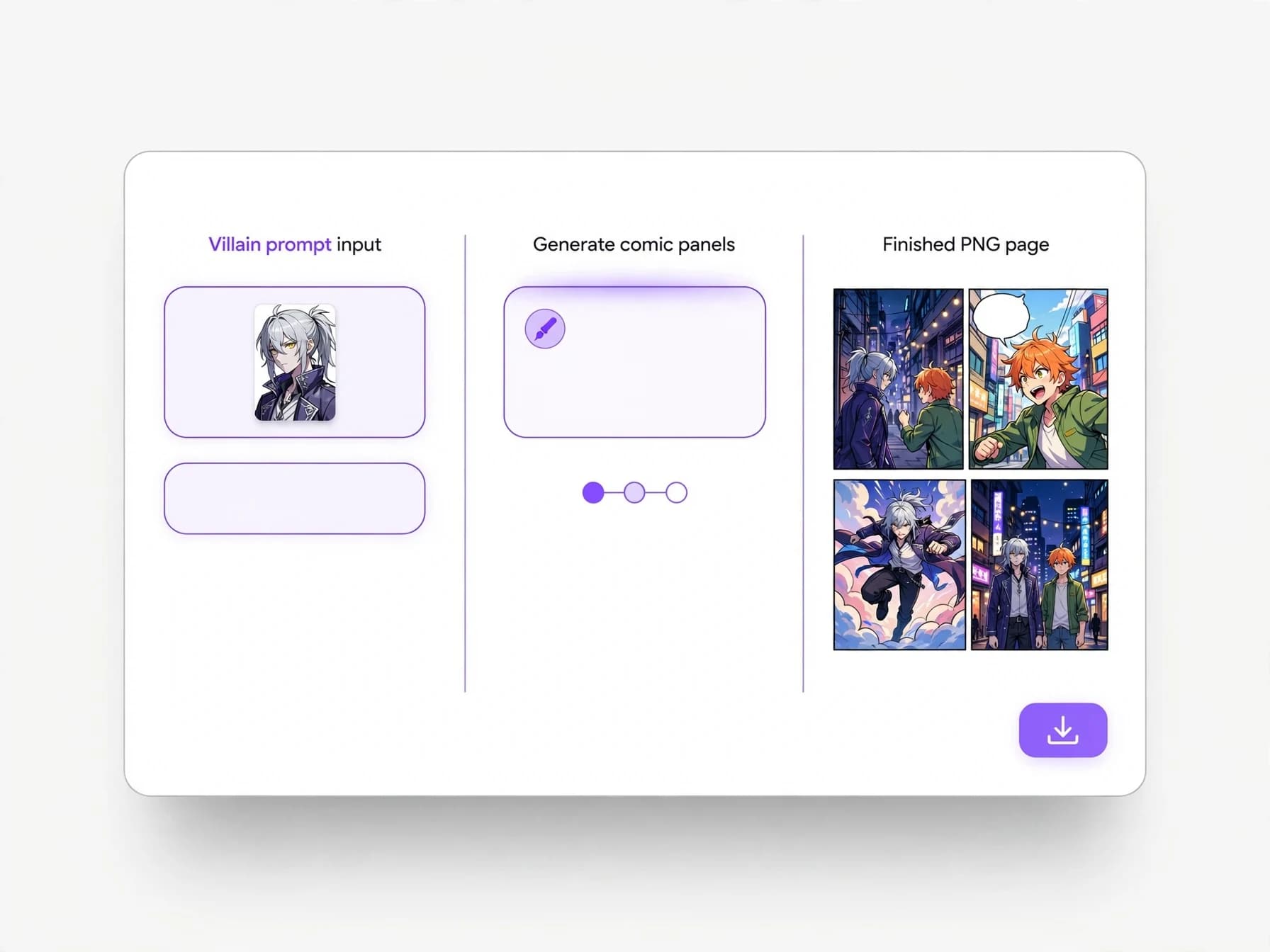
Turning a villain idea into a visual scene is simpler than ever. Start by writing a short prompt that describes your villain confronting your hero in an alley or council chamber. Pick an art style from about thirty manga and webtoon options, and choose your panel count.
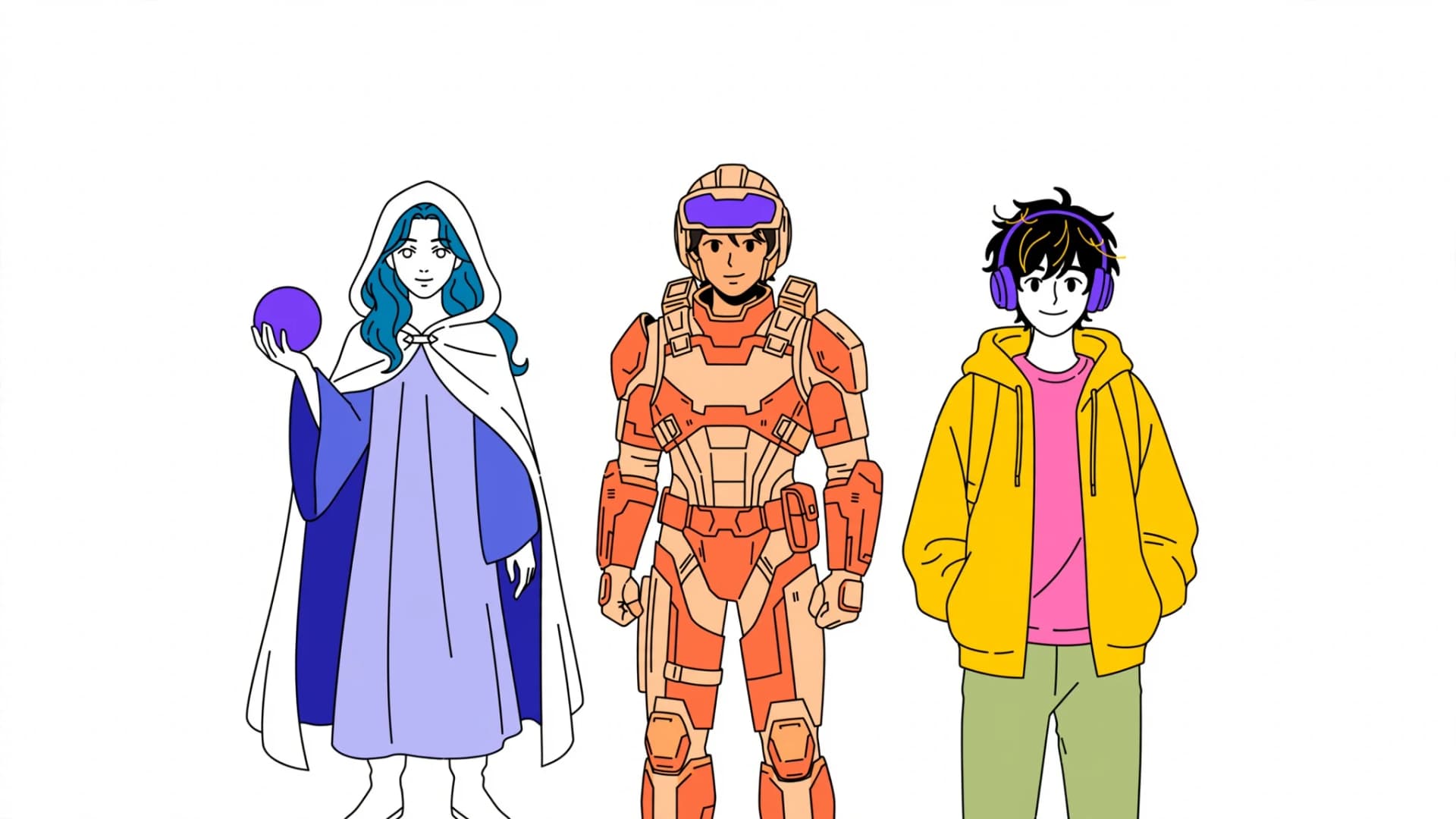
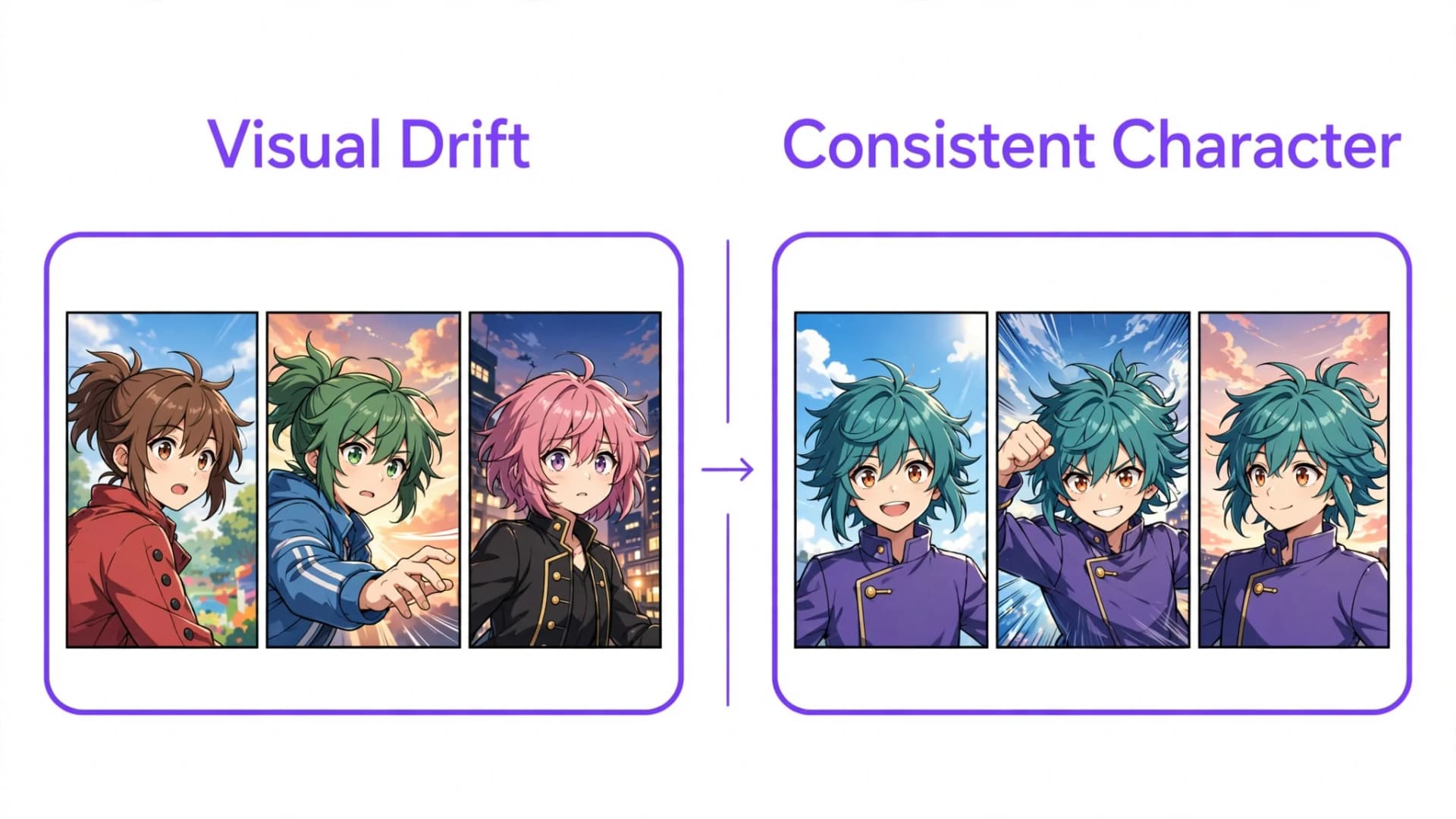
In the Characters tab, you can use the oc maker workflow to save your villain with a short text description or a reference image. This keeps your adversary looking consistent across up to four saved characters per comic as your story expands across pages. Free to start after you sign up, the ai comic generator turns your scene into a multi-panel page in a few minutes.
Watching your villain trade barbs with your hero on a real comic page shows you which lines land and which need another pass. Once the pacing feels right, you can download whole PNG pages without watermarks to review your layout or share with friends.
Common pitfalls when developing villain ideas for a story
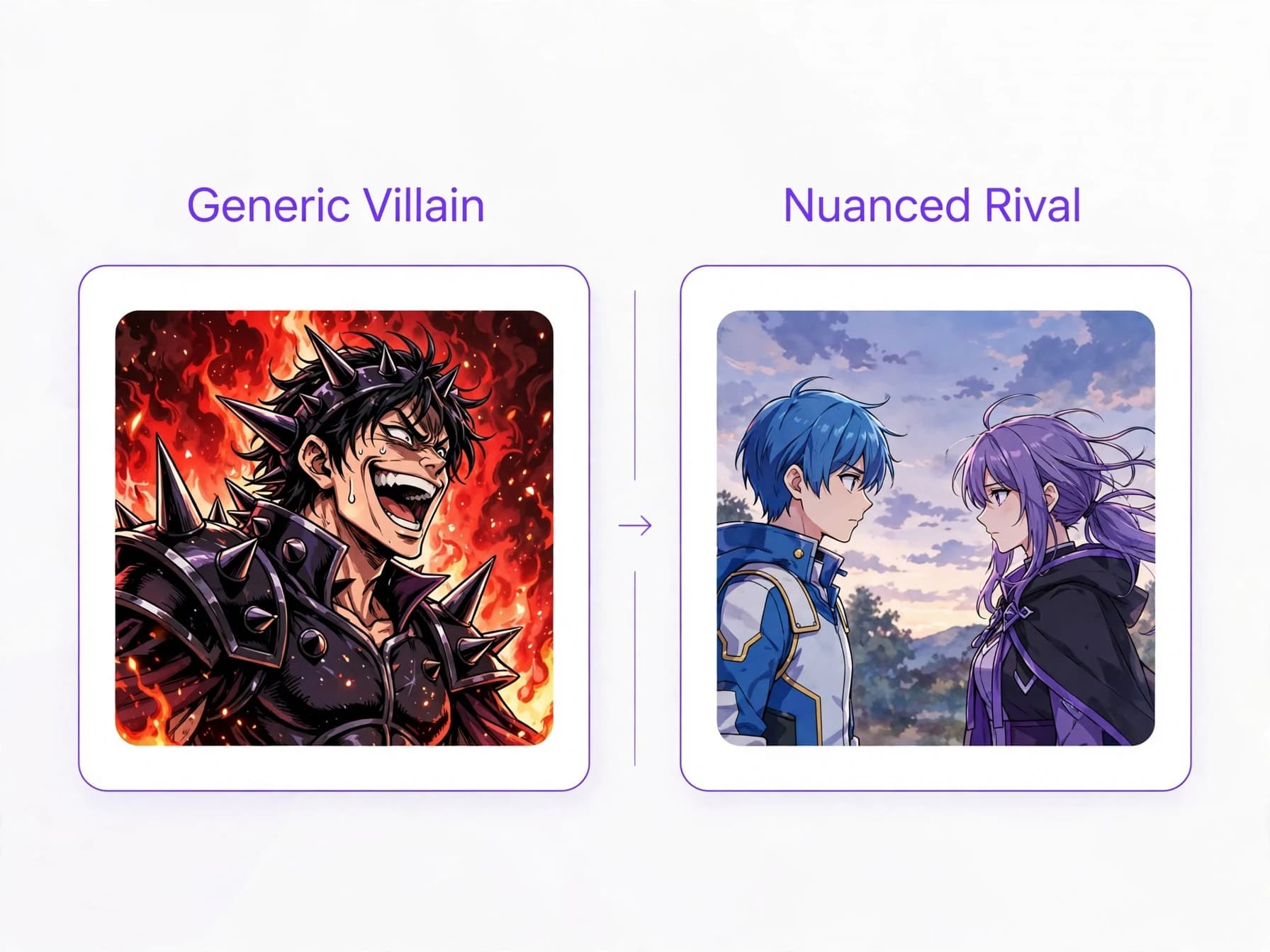
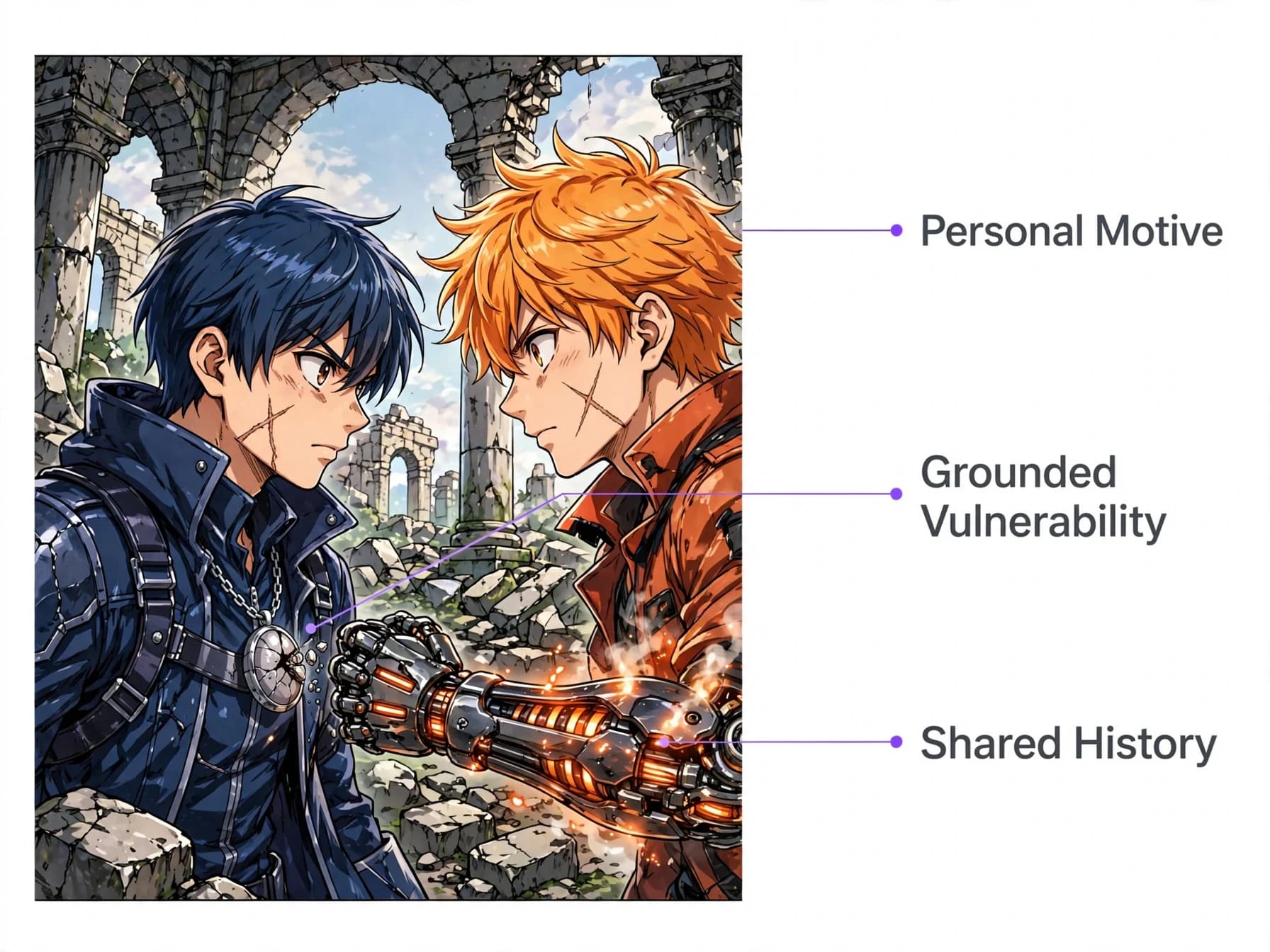
A frequent trap is making your villain evil for the sake of being evil. When a character cackles without a clear personal motive, the emotional tension evaporates and the stakes feel artificial. Give them a tangible grievance or an urgent goal that reasonable people could understand.
Another mistake is giving an antagonist limitless power without distinct rules. If a villain can solve every puzzle with magic or infinite resources, your protagonist's triumphs feel unearned. Ground their strengths with real trade-offs, blind spots, or physical vulnerabilities.
Lastly, avoid keeping your villain detached from the central protagonist. The most captivating rivalries feel intimate, where every duel exposes personal history, shared regret, or broken promises that both characters must confront.
Tips for developing your villain across serialized chapters
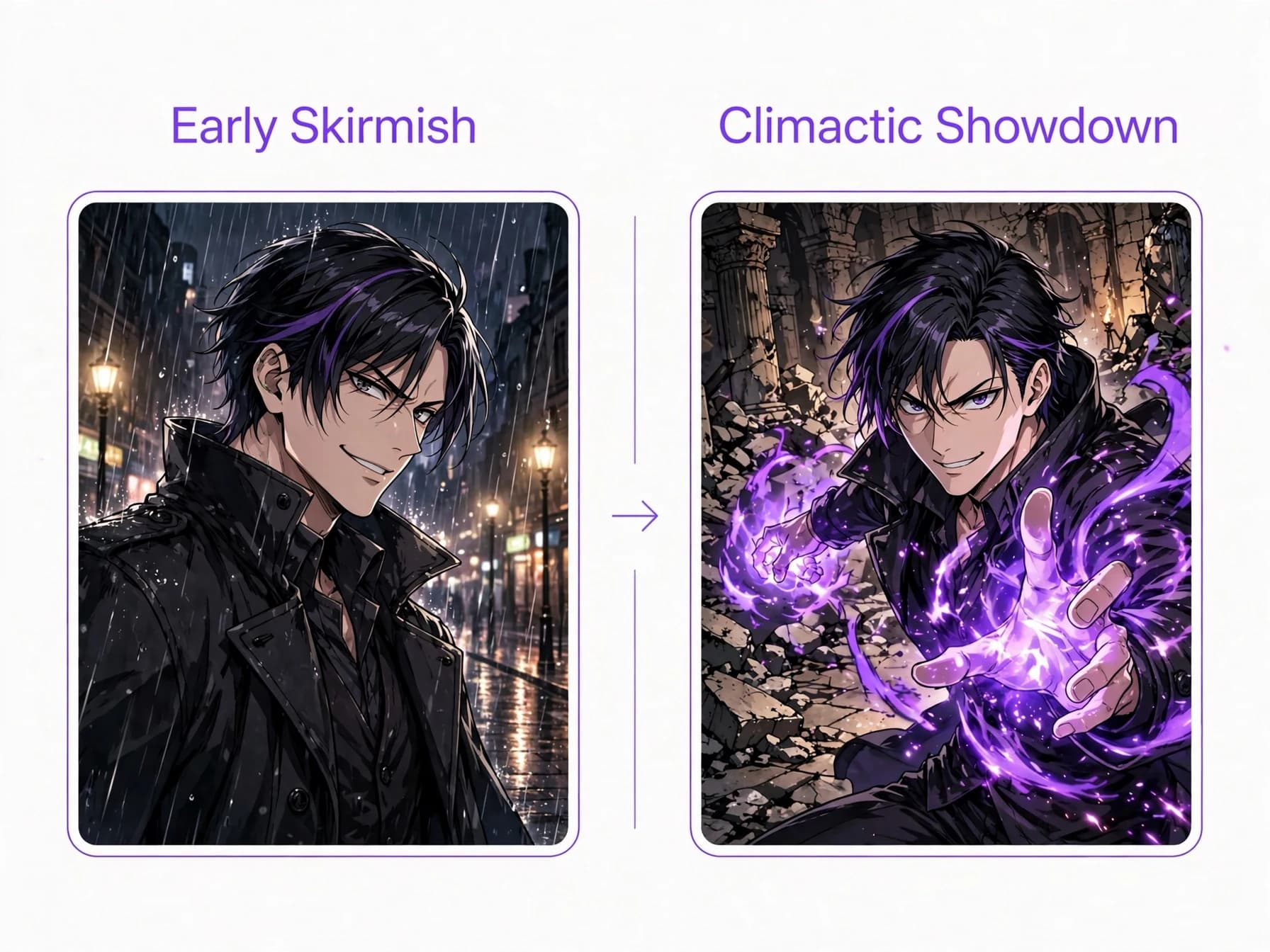
In serialized manga and manhwa, the best adversaries evolve alongside the hero. Introduce your villain in small, focused moments before unleashing their full presence across a major story arc. Showing the quiet consequences of their philosophy builds anticipation long before the main battle begins.
Let your antagonist score meaningful victories early in the narrative. When the villain outsmarts the hero in an opening skirmish, readers feel genuine suspense about how the cast will recover. These setback panels give your story breathing room and emotional depth.
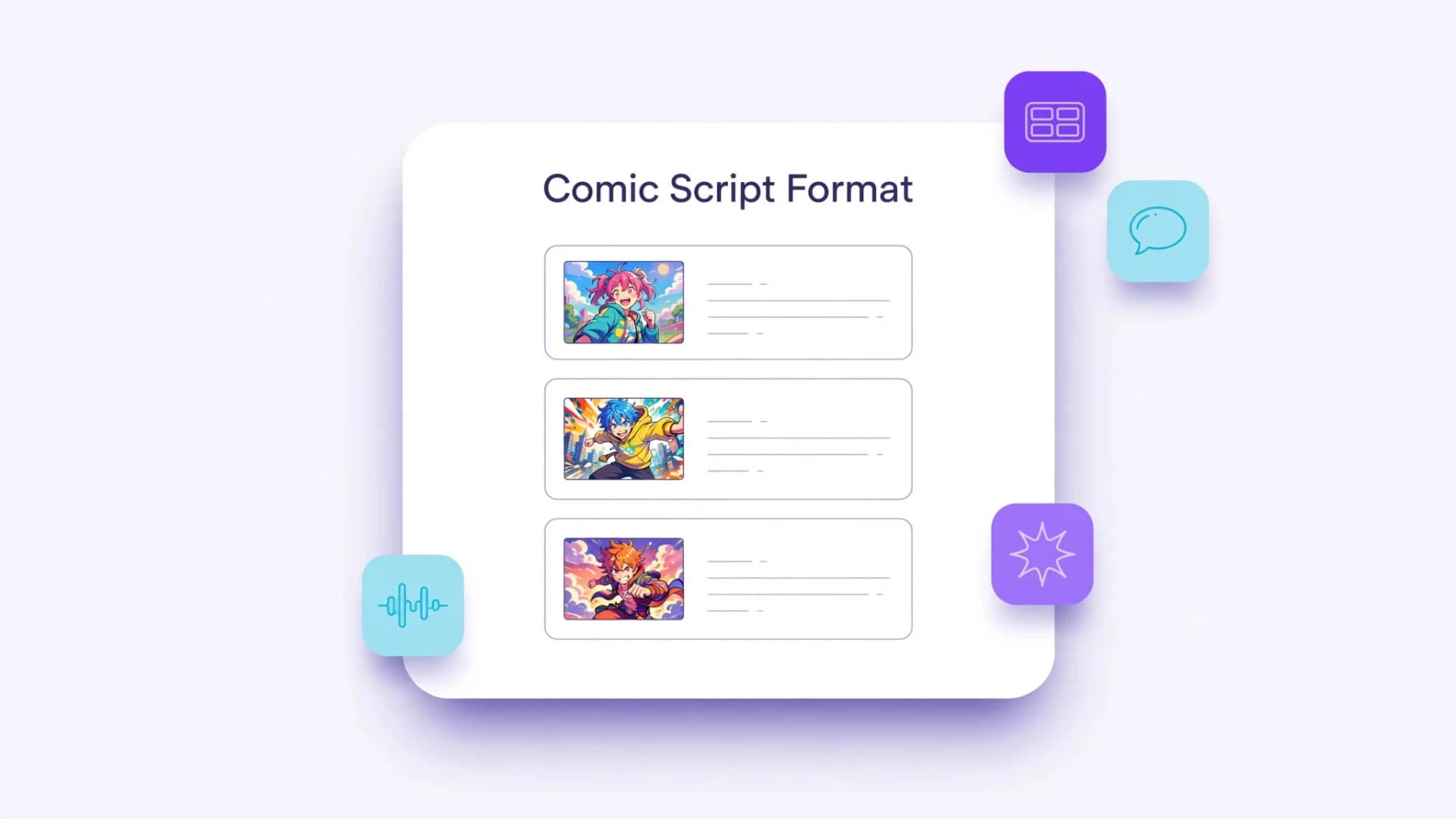
As you learn how to make a comic and plan longer story arcs, you can draft scripts and visualize each confrontation page by page. Testing your antagonist across different chapter beats sets up unforgettable showdowns that leave your audience eager for the next installment.