
November 11, 2026
7 min read
Guides

How to Make a Graphic Novel: A Step-by-Step Guide for Beginners

Learning how to make a graphic novel starts with breaking your story into an outline, scripting panel by panel, and choosing whether to draw by hand or build pages with digital comic tools.

By Reviewed by Marta KowalHow we review
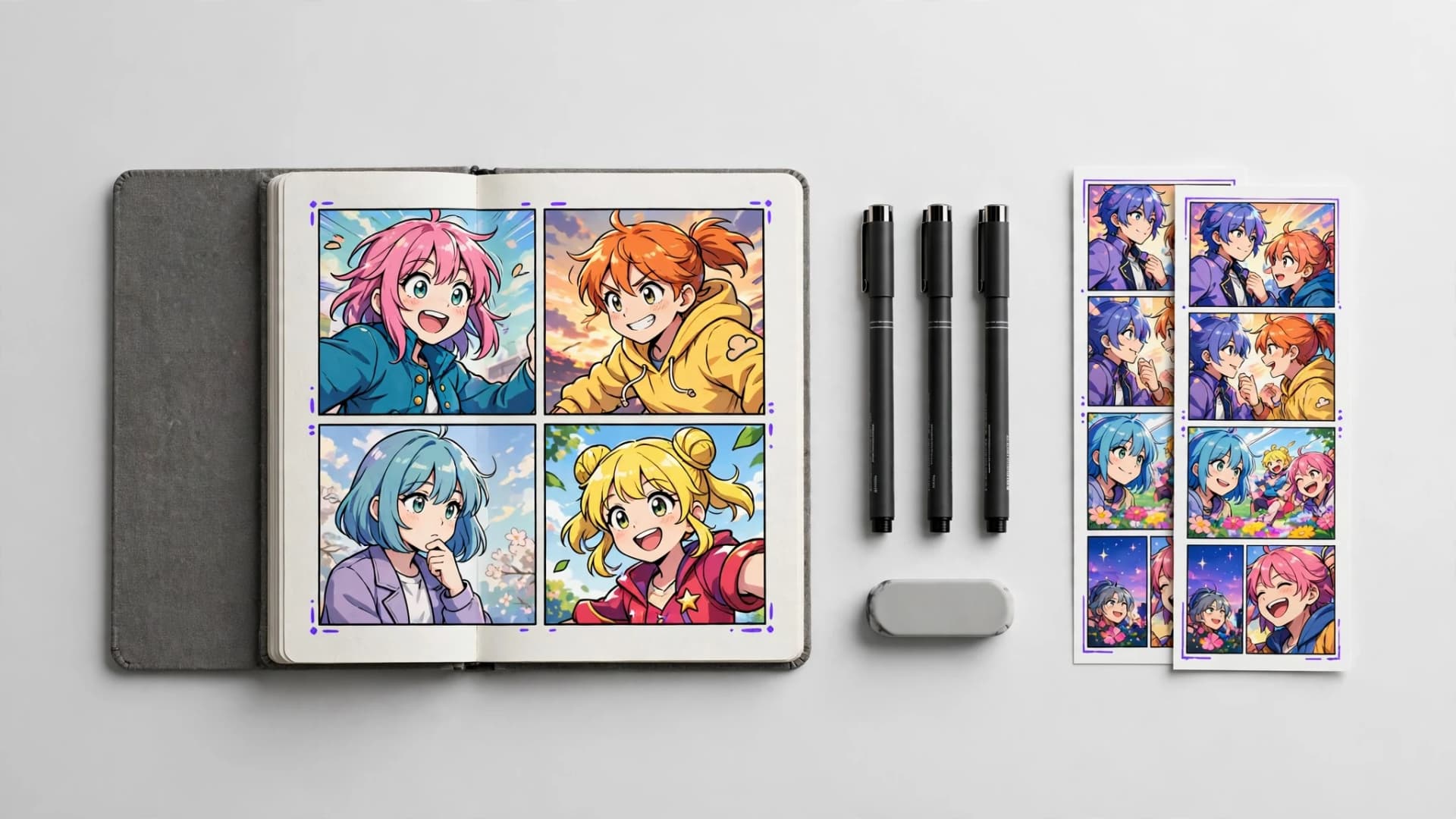
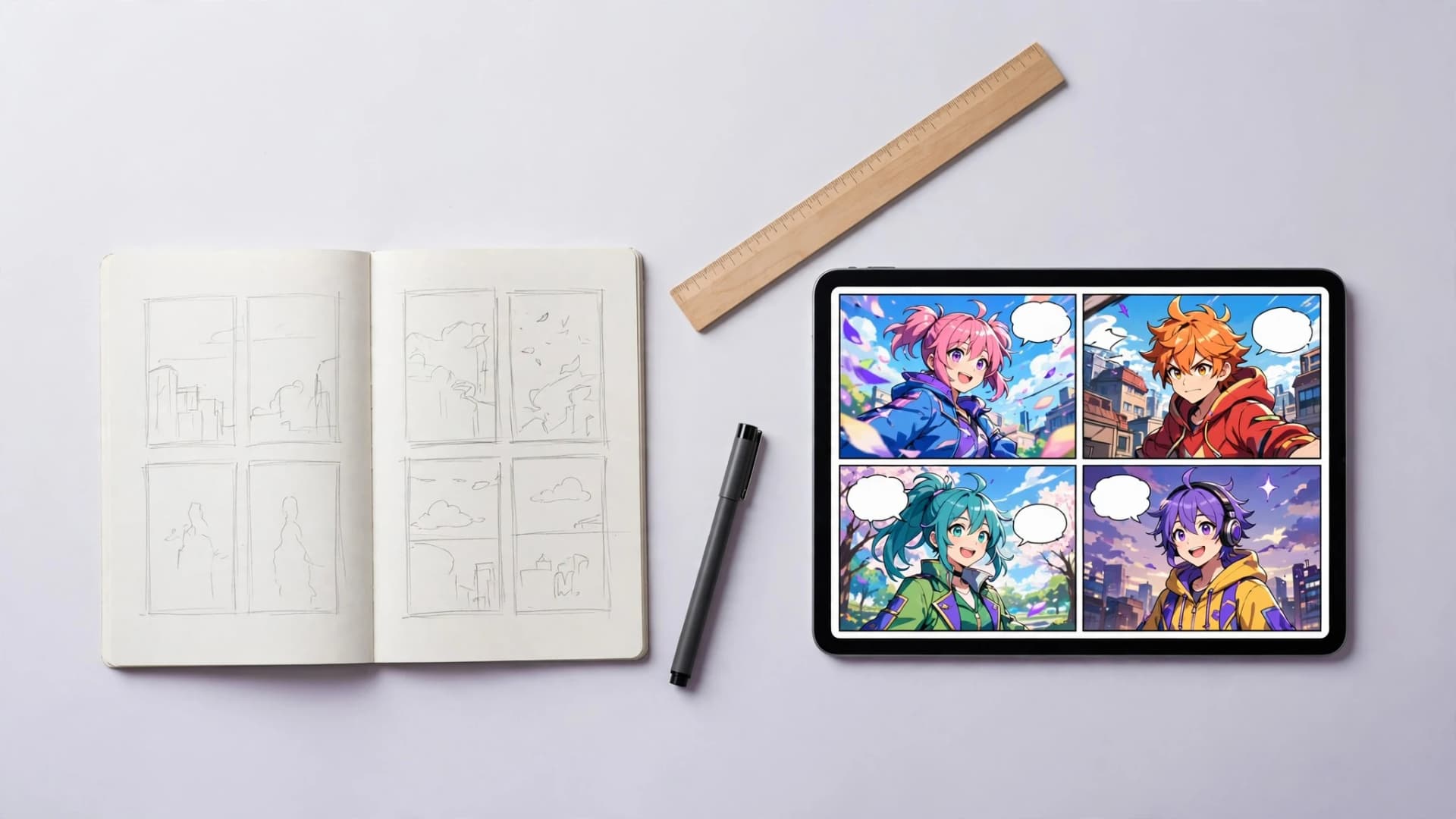
Graphic novel manuscript and tablet showing storyboard layouts on a clean wooden creative workspace desk

What is the core structure of a graphic novel?

Learning how to plan a graphic novel begins with establishing a complete narrative arc before sketching a single panel. Unlike serialized comic strips that rely on quick gags, a graphic novel functions as a visual book with sustained thematic depth, multi-layered conflicts, and clear character journeys.

Every project starts with an outline dividing your overarching plot into distinct acts. You define your protagonist's central desire, introduce escalating stakes across chapters, and determine how visual motifs will reinforce emotional shifts throughout the book. If you need inspiration before outlining, exploring curated comic ideas can spark exciting premise directions.

Taking time to map your scenes early prevents pacing issues later in production. A detailed outline gives you a dependable roadmap, ensuring every scene earns its place before you commit time to layouts and dialogue lettering.
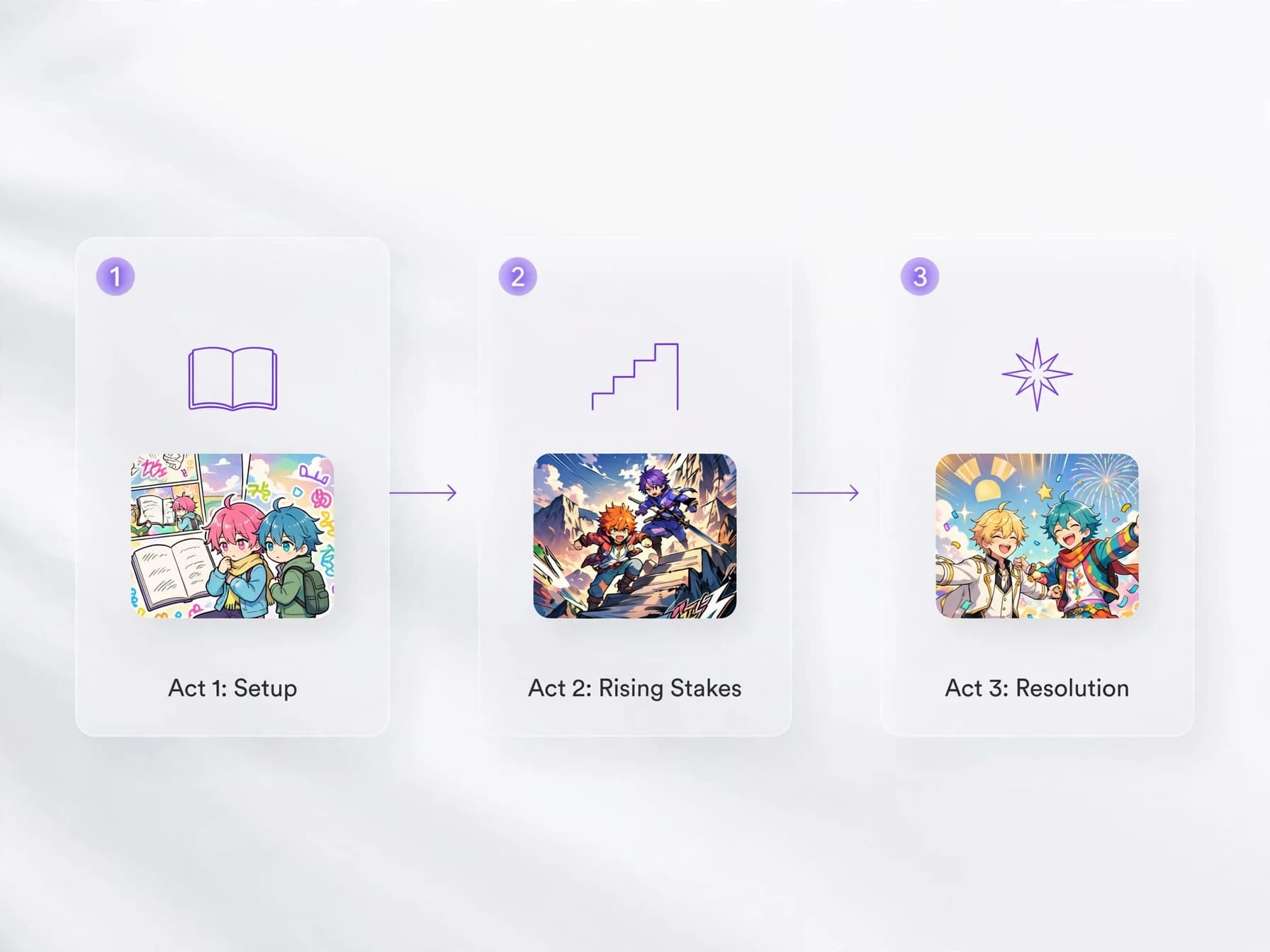
Storyboard notes and story arc outline for a graphic novel project

How to make a graphic novel in five production steps

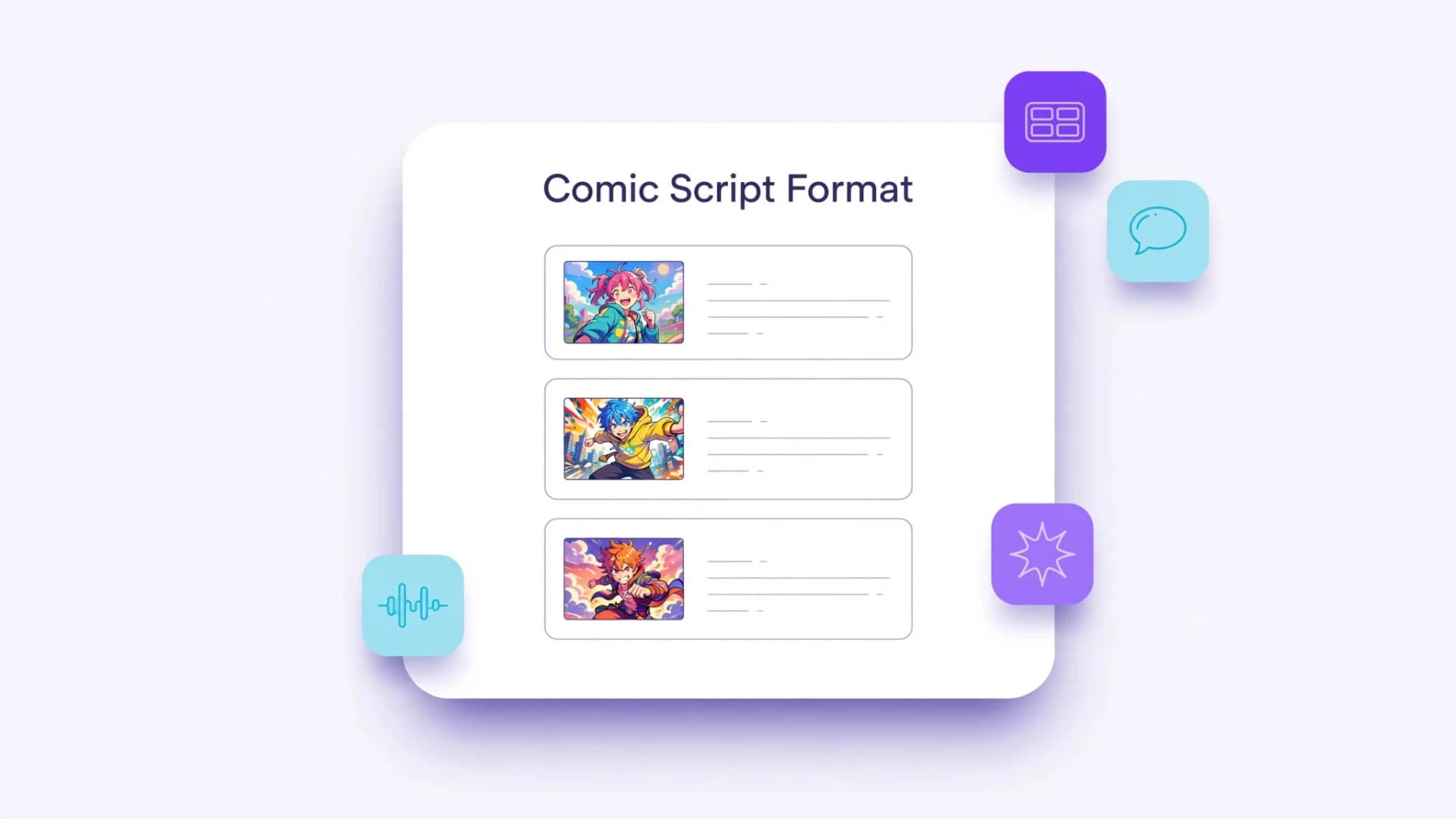
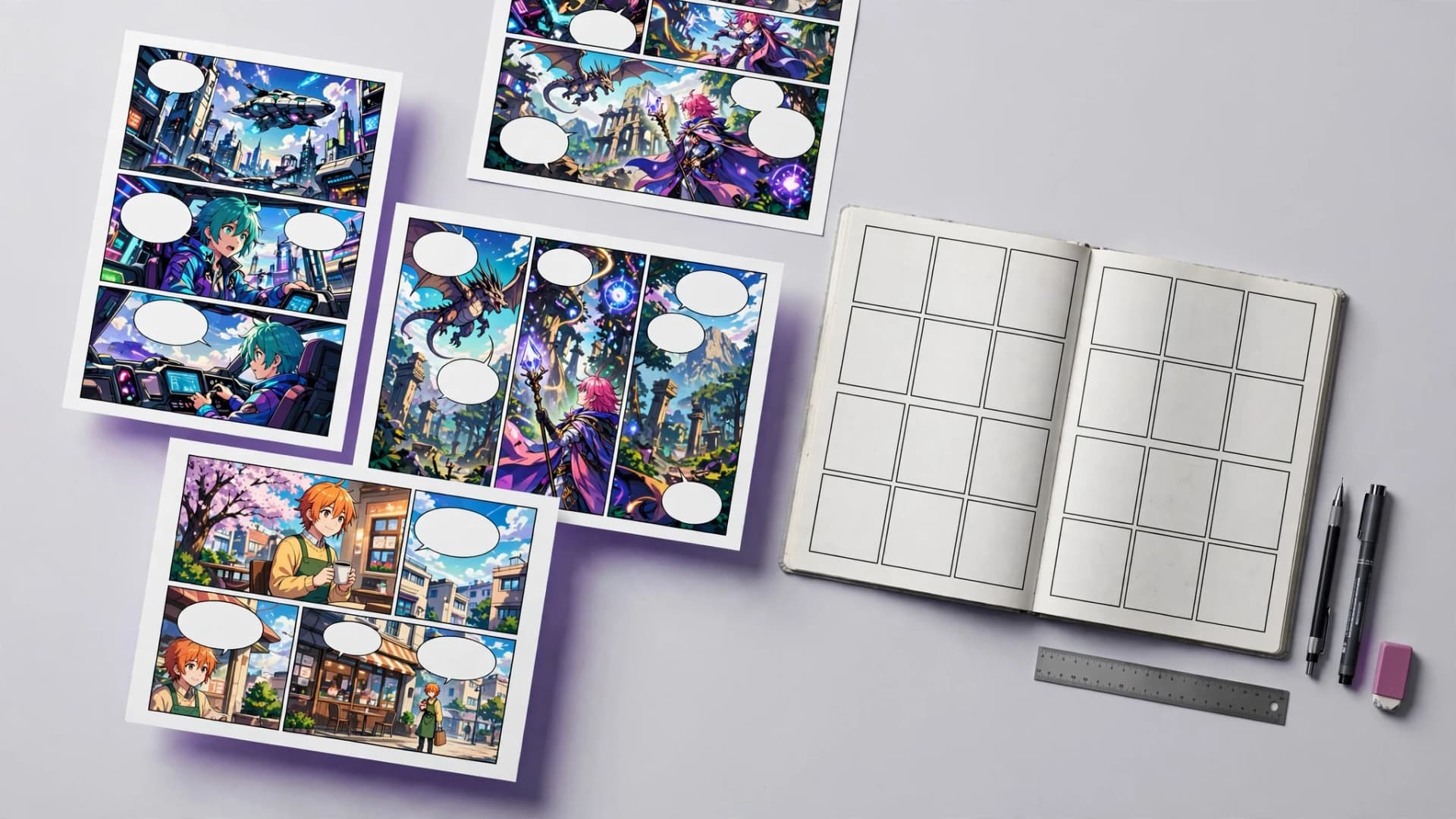
Step 1 involves writing a panel-by-panel script specifying visual actions, speech bubbles, and captions for each page. Reviewing a practical guide on how to make a comic can help you structure script beats clearly. Step 2 requires sketching rough thumbnail layouts to determine how your reader's eye moves across spreads and dramatic page turns.

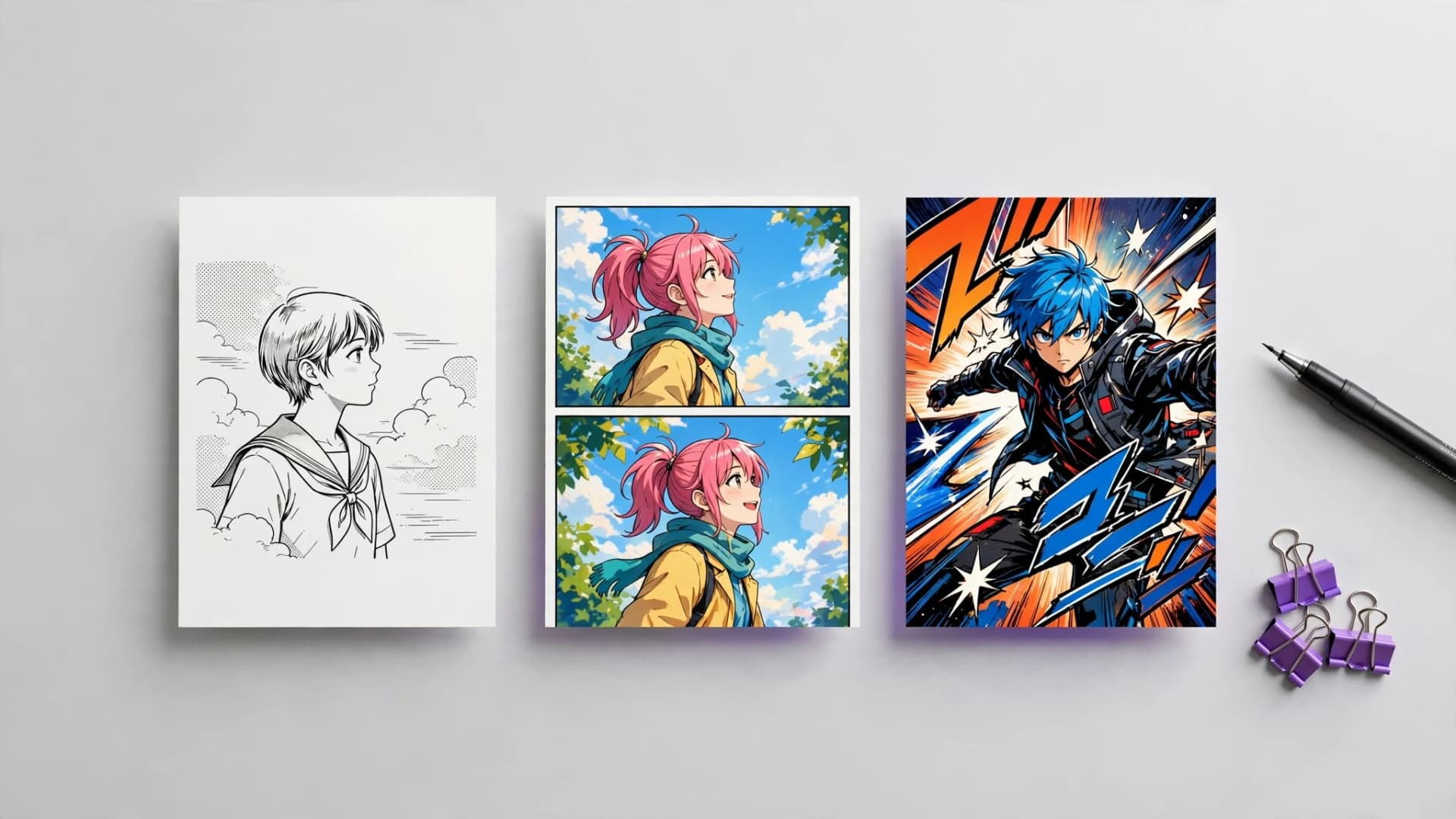
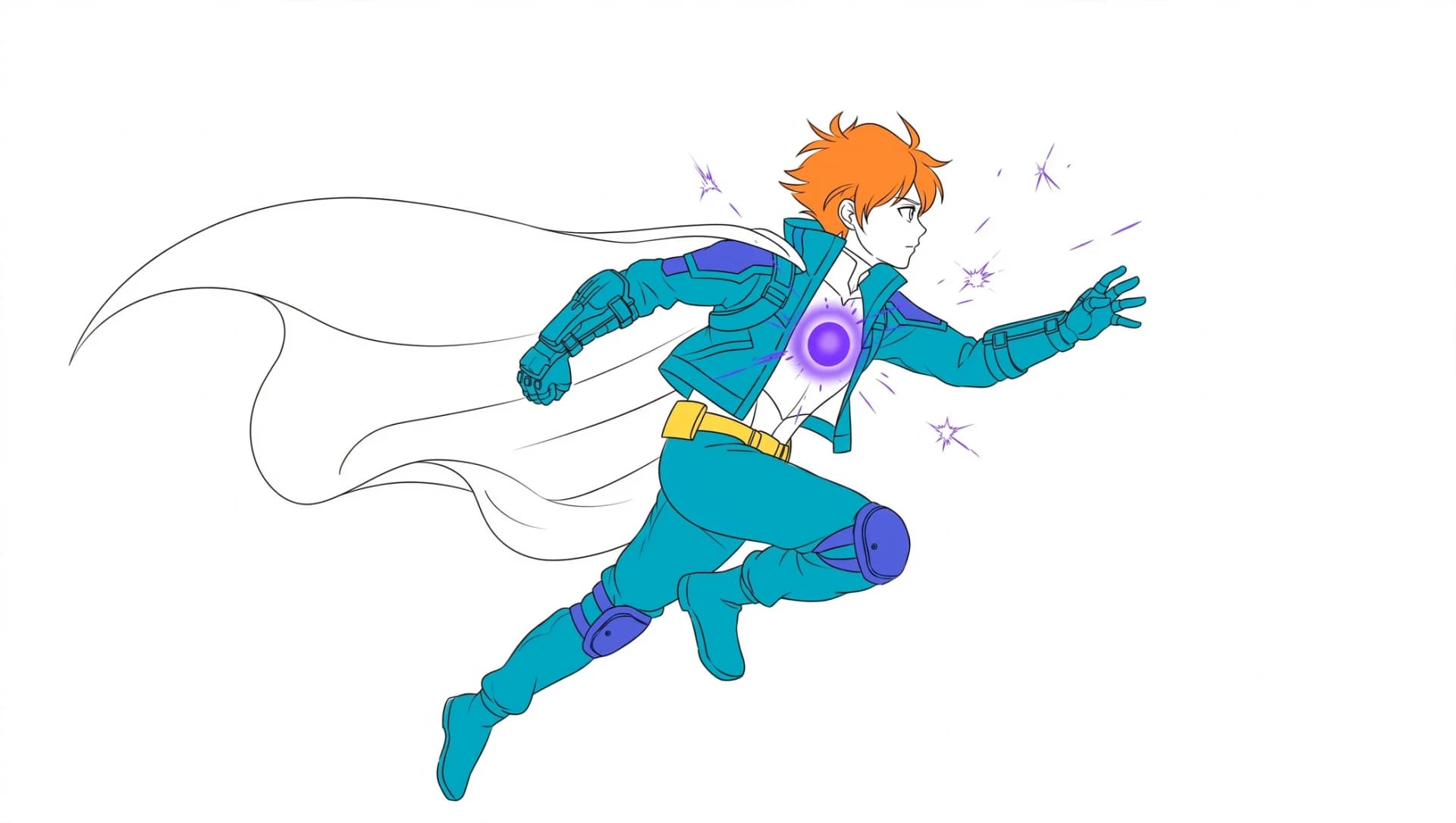
Step 3 focuses on penciling and linework, establishing character poses, anatomy, and background perspective. Step 4 adds color, tone, and lighting effects to establish mood and draw attention to focal points in each panel.

Step 5 completes lettering, sound effects, and final formatting for digital distribution or print. Following these structured phases lets you build your book systematically while keeping production organized from chapter to chapter.
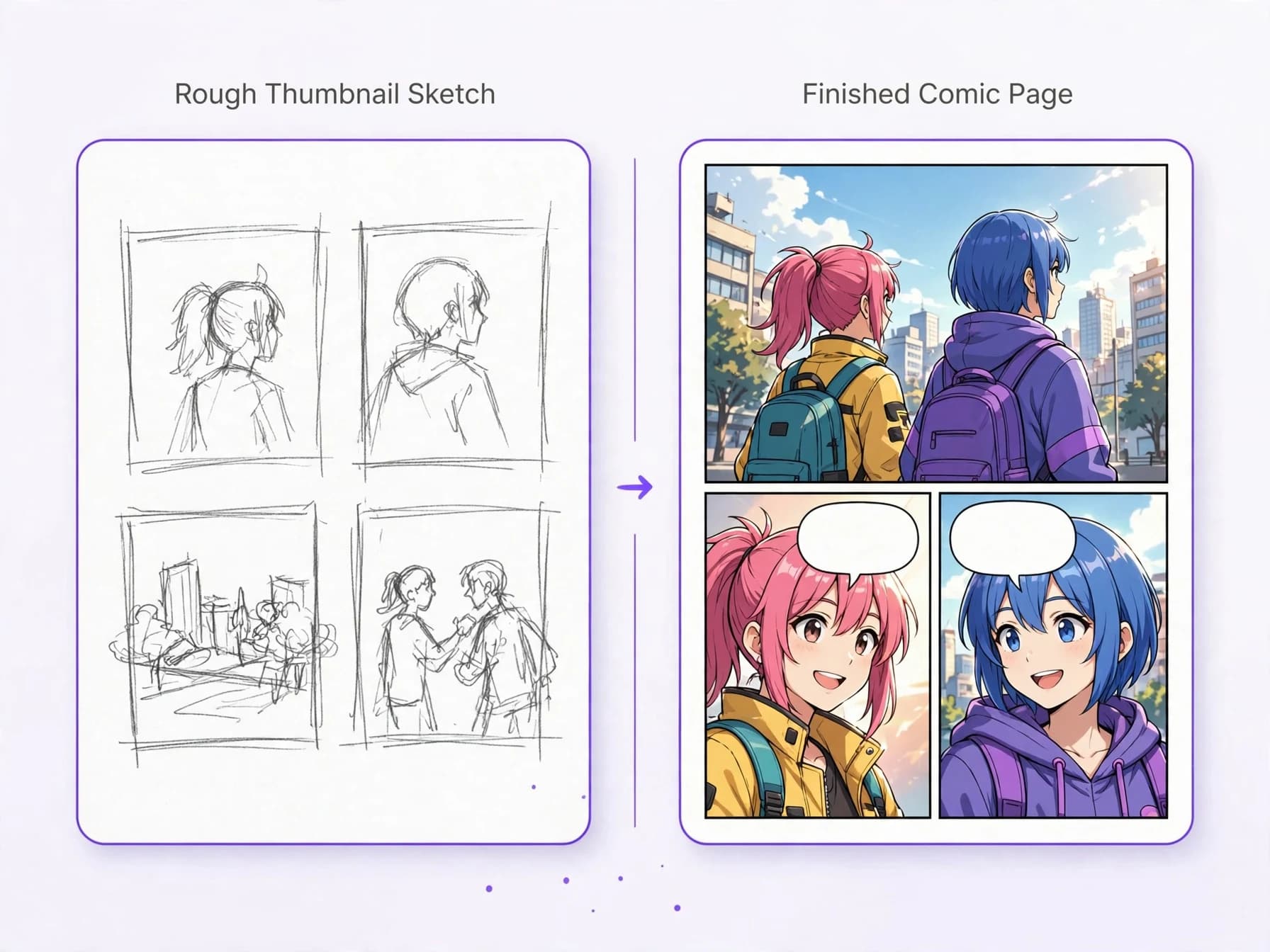
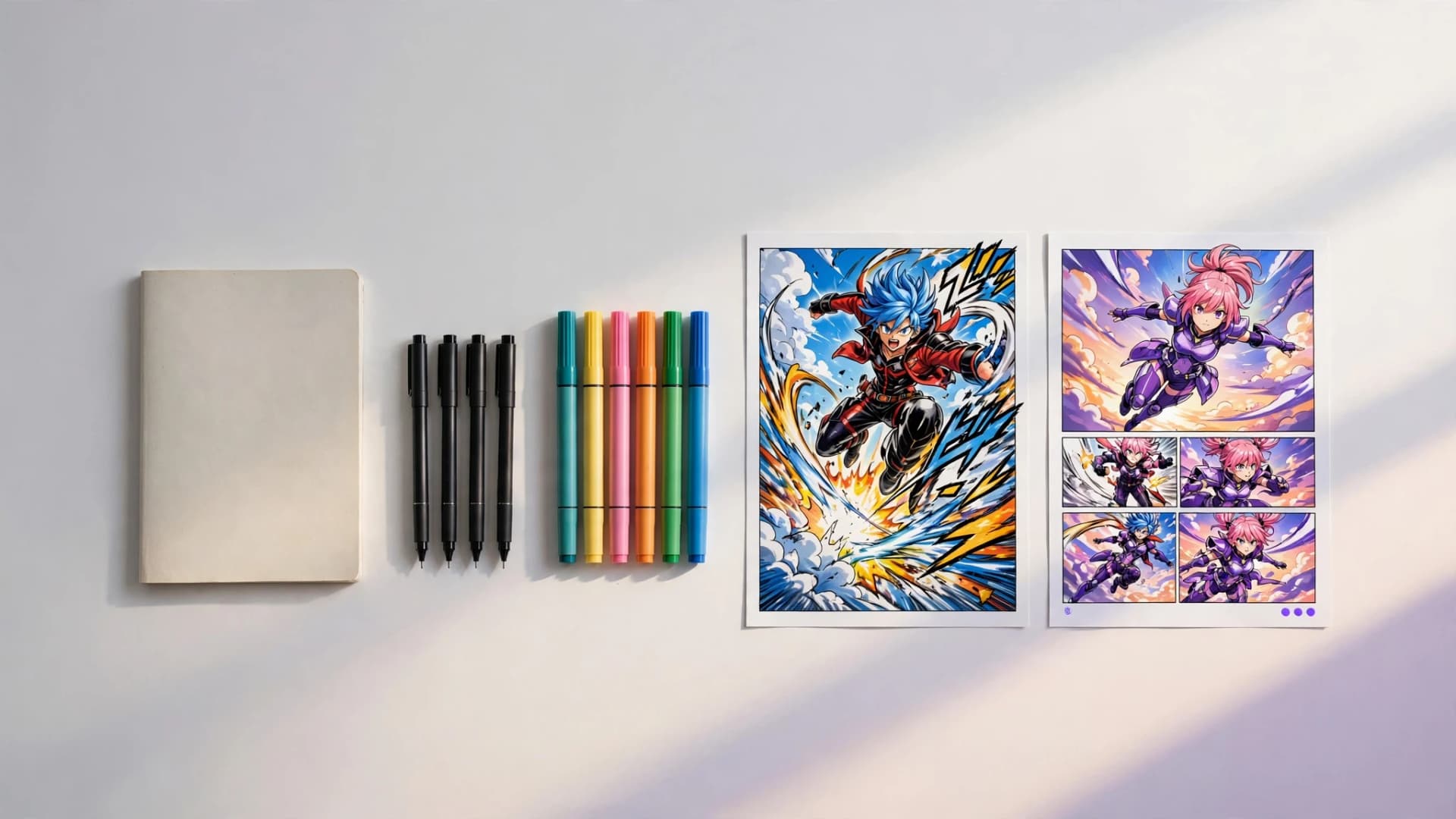
Sequential production phases showing how to create a graphic novel page

Designing characters and maintaining visual continuity

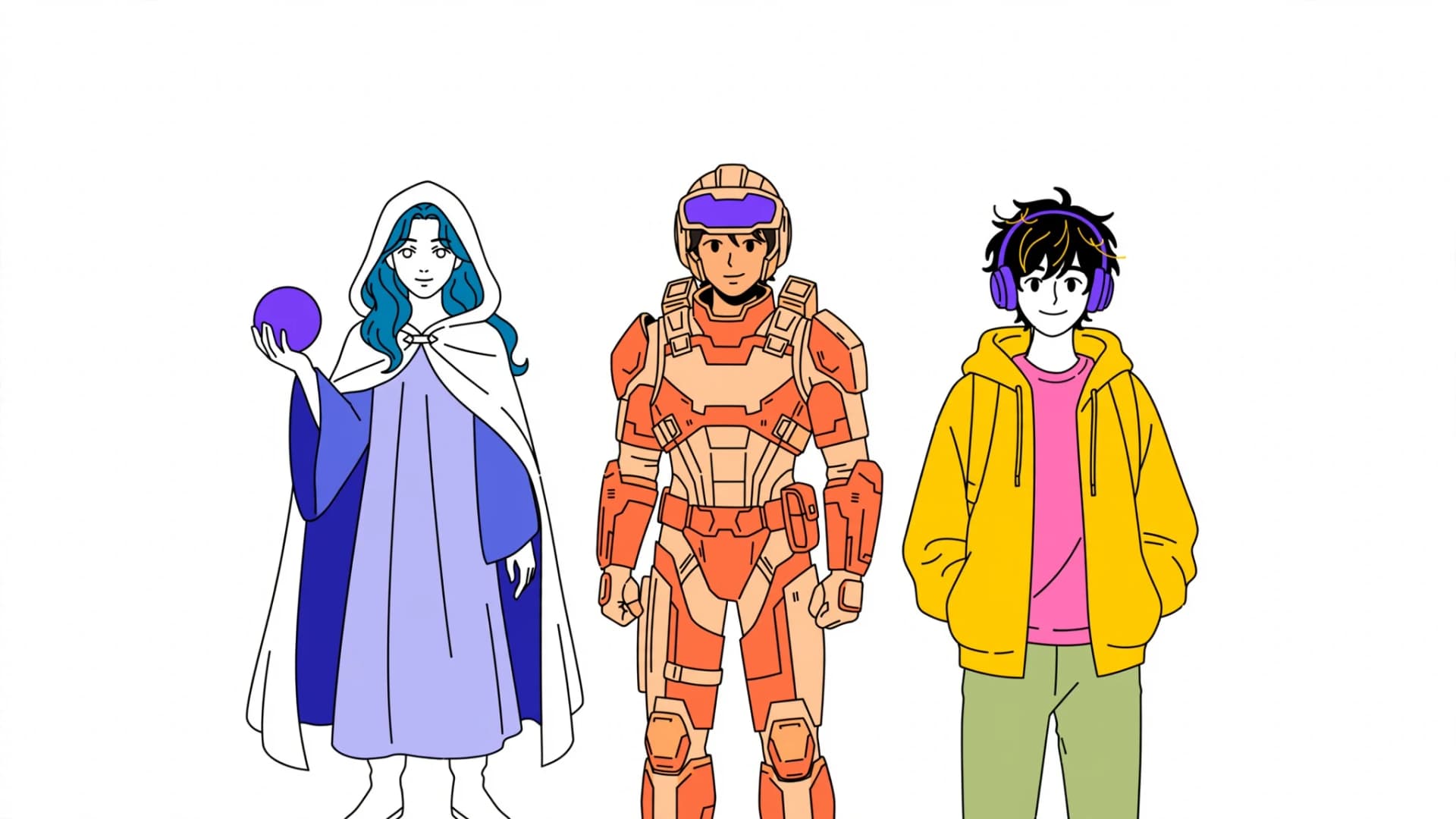
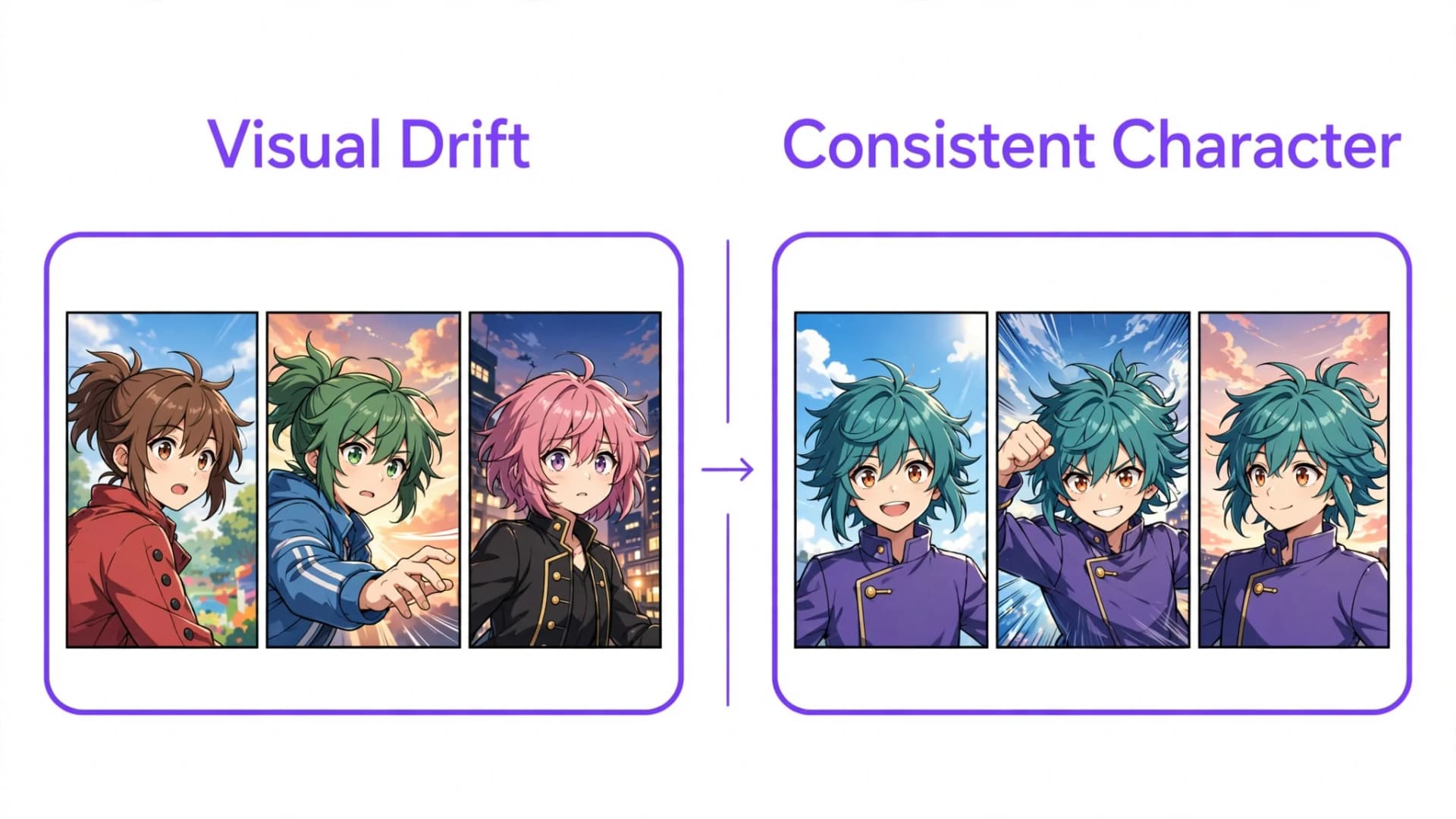
Believable graphic stories require characters whose silhouettes, facial features, and color palettes stay easy to recognize across hundreds of frames. Readers connect with visual consistency, so subtle shifts in hair shape or clothing details can quickly break story immersion.

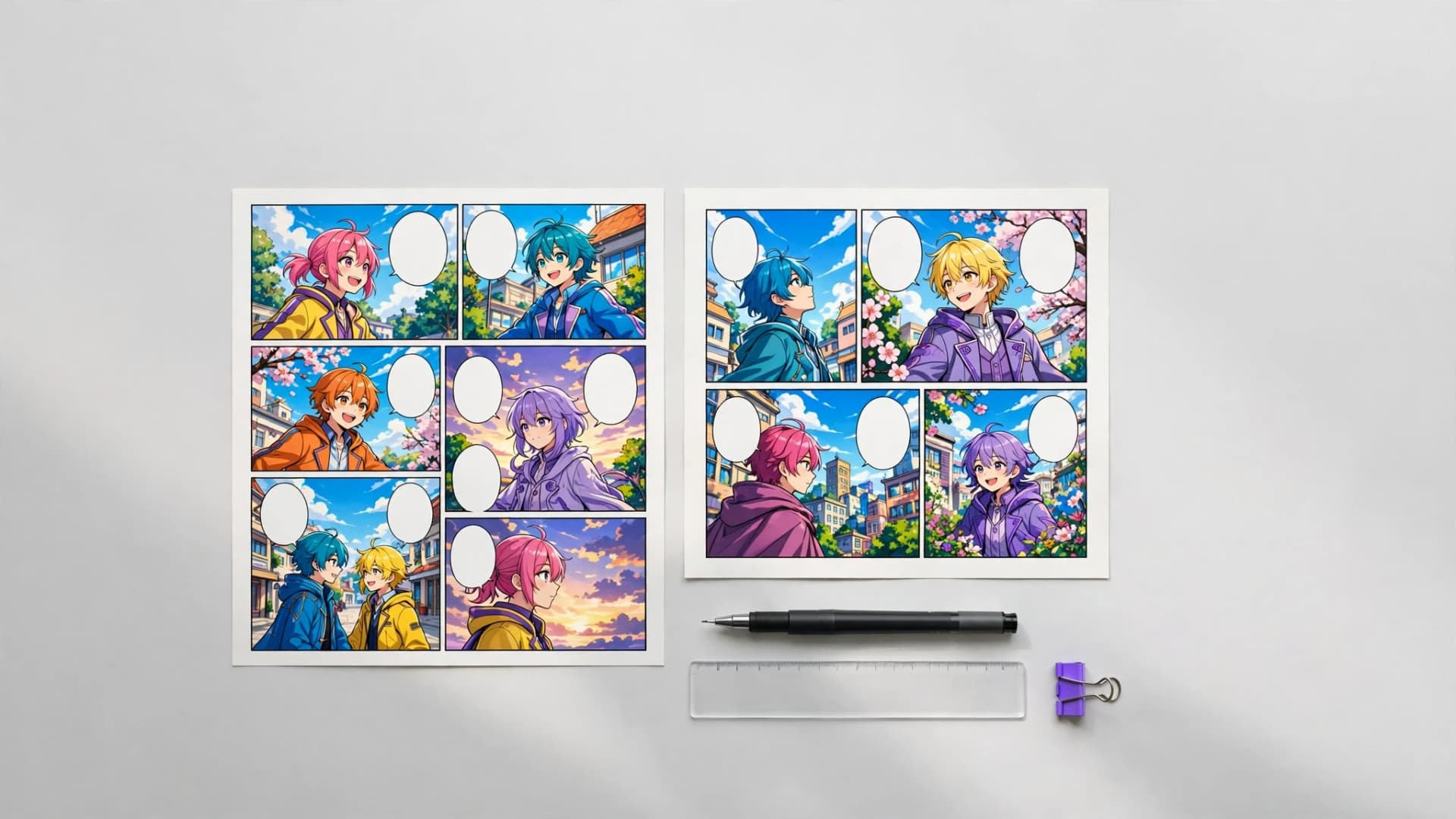
Document key traits including height relationships, signature outfits, and expressive gestures for your primary cast. While standalone illustration tools or an AI character generator often produce single portraits, using Yume Comic lets you save up to 4 characters per comic from a description or reference image to keep them consistent across pages.

Testing your cast in varied emotional states ensures they communicate clearly during dramatic moments. Consistent visual cues anchor reader empathy, making every dialogue exchange and action beat feel coherent.
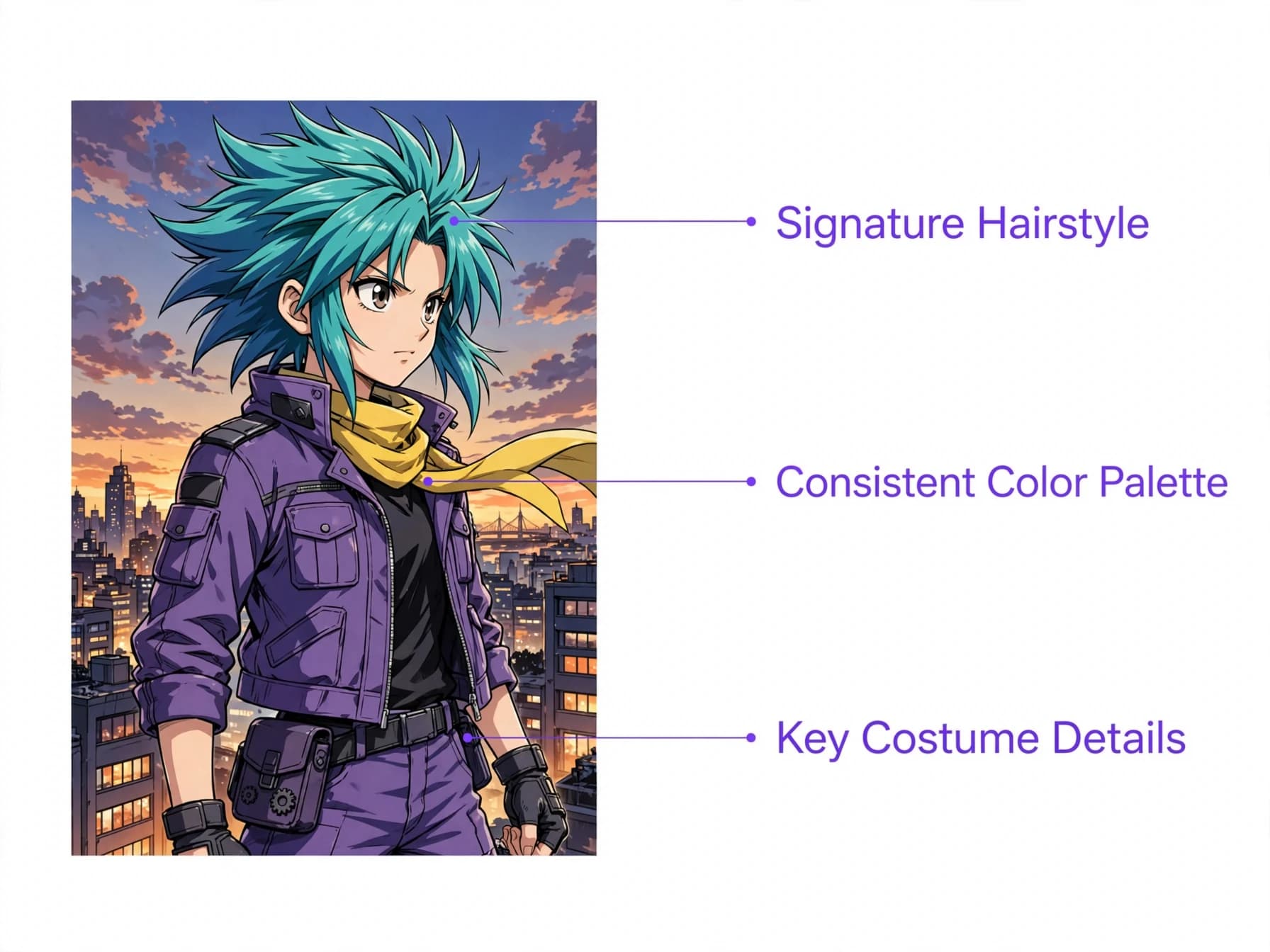
Tablet displaying multi-panel comic pages with consistent character art across scenes

Creating your graphic novel on the computer without drawing from scratch

Bringing your story to life on the computer no longer requires mastering intricate digital illustration software or drawing tablets. Modern browser-based tools let storytellers generate finished multi-panel pages directly from written prompts and structured scripts.

Using a dedicated comic book maker like Yume Comic, you can choose from dozens of comic art styles, ranging from shonen manga line art to lush webtoon painterly tones. The platform generates complete pages featuring panels and speech bubbles, with up to 8 panels per page and, on a Pro plan, up to 12 pages per comic.

This digital workflow lets aspiring authors test dialogue rhythm and page pacing before committing to a full chapter. Generating full pages directly removes technical drawing barriers so you can focus entirely on impactful storytelling.
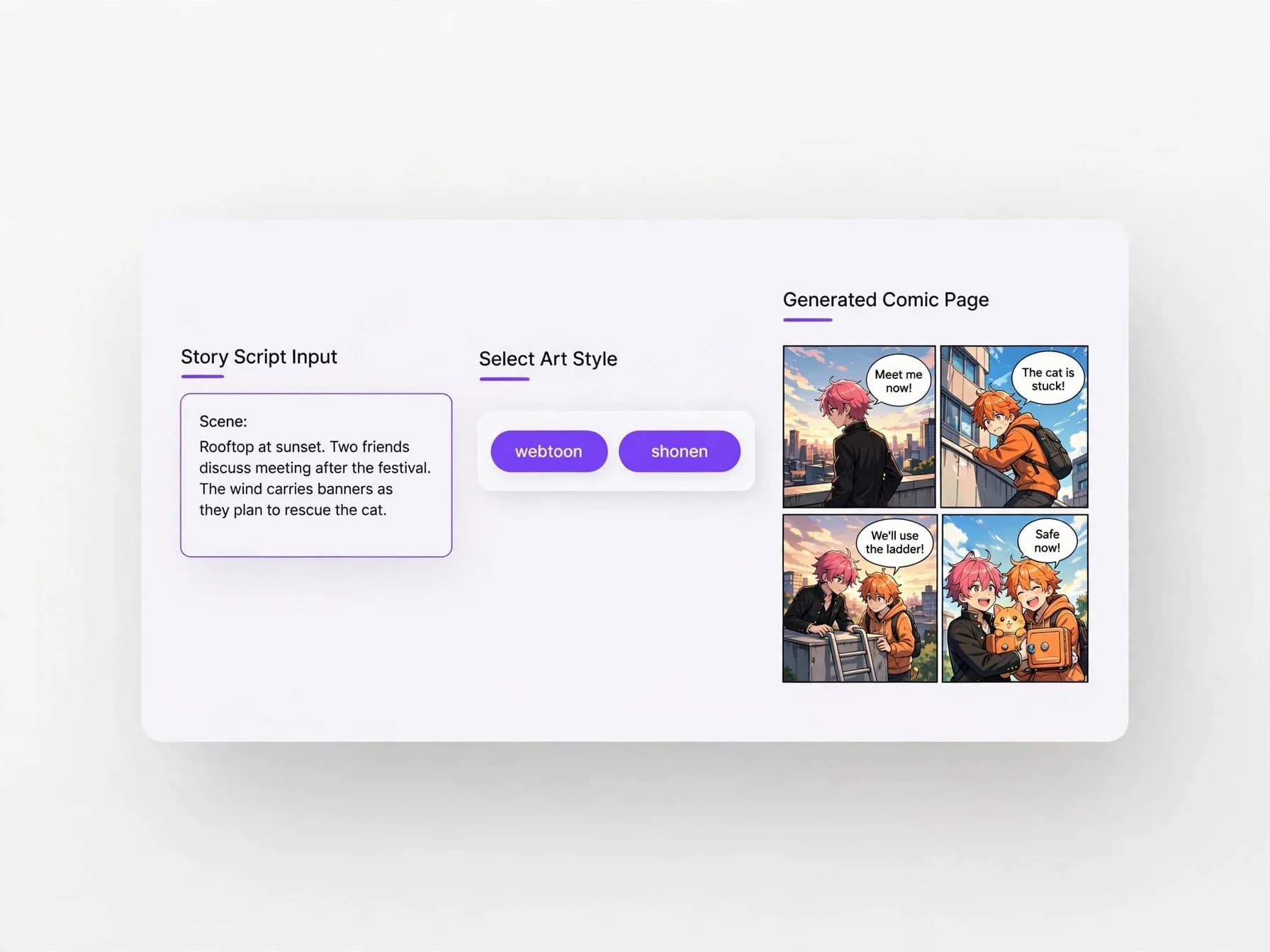
Laptop screen showing digital graphic novel production inside a modern web browser

Pacing visual scenes and formatting final exports

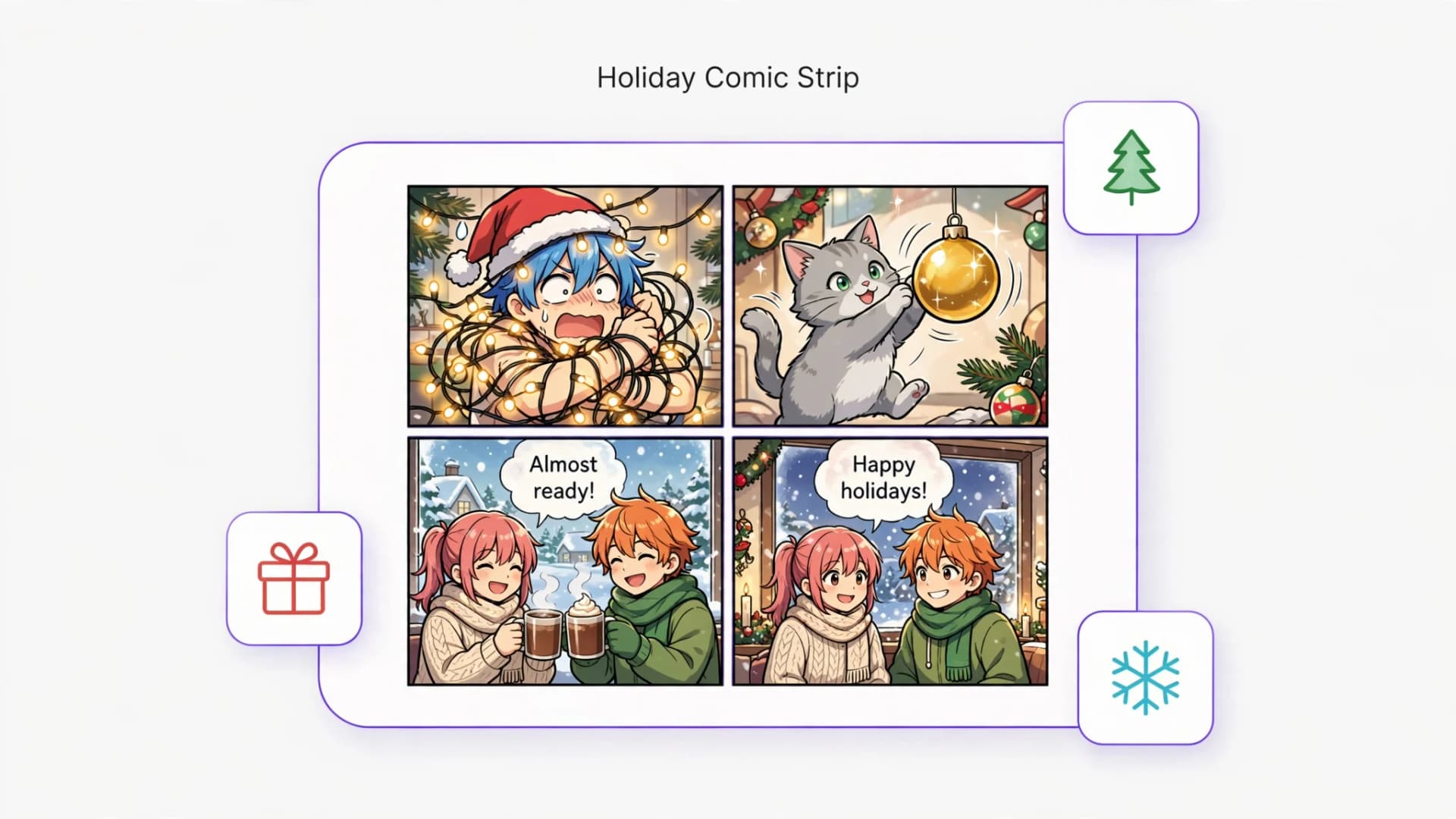
Effective sequential pacing balances tight, multi-panel conversations with expansive splash pages that grant major plot moments room to breathe. Varying panel density controls reading speed, guiding audiences seamlessly toward natural page-turn reveals.

Speech bubbles should follow natural reading order from top-left to bottom-right, avoiding cluttered panel compositions. Utilizing a dedicated graphic novel maker streamlines this balancing act by generating cohesive page structures that preserve narrative flow.

Once your pages meet your standards, download them as high-resolution PNG images without watermarks for immediate compilation or web posting. Clear visual rhythm combined with clean digital assets ensures your finished work looks polished on both digital screens and printed pages.
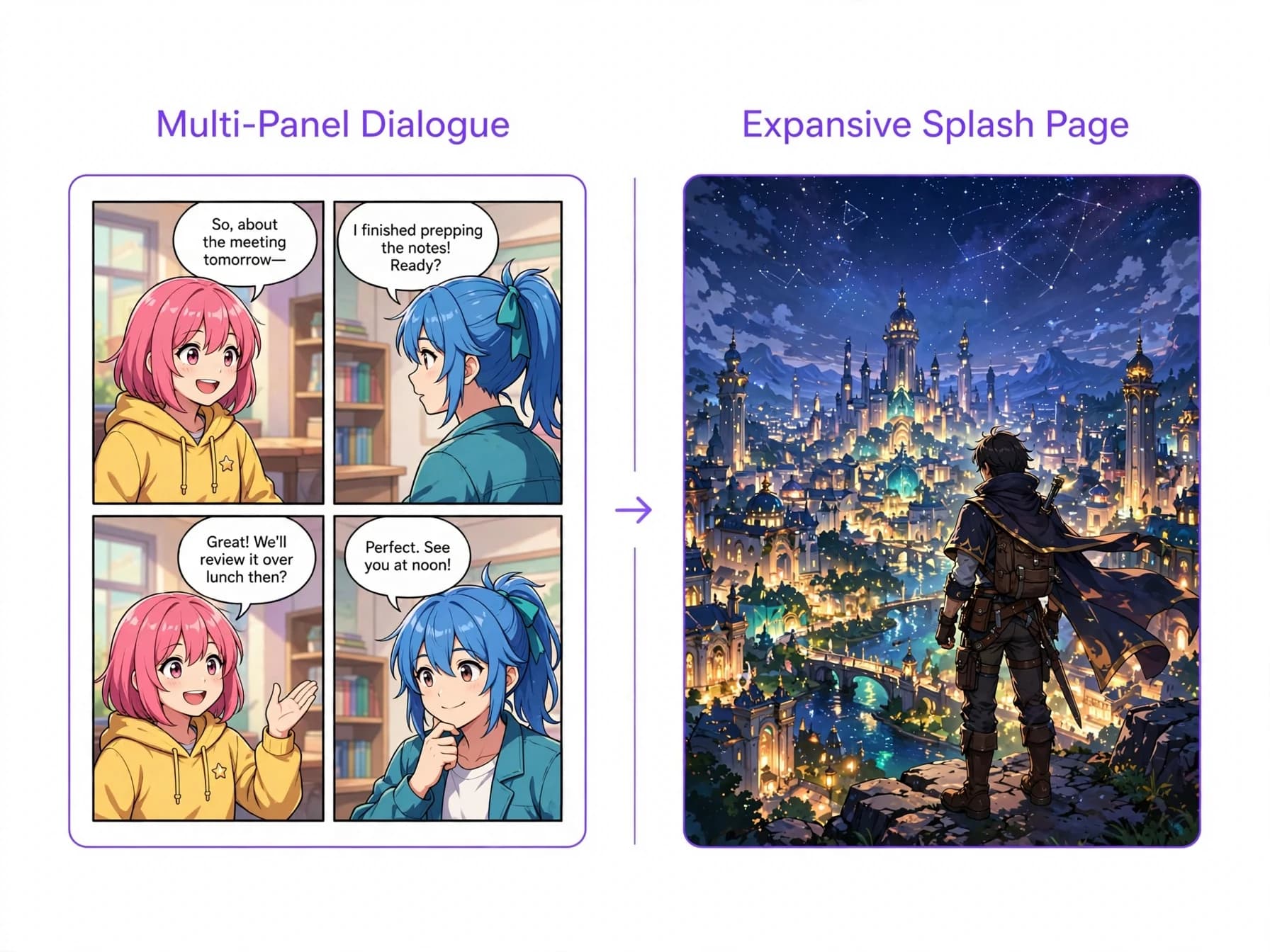
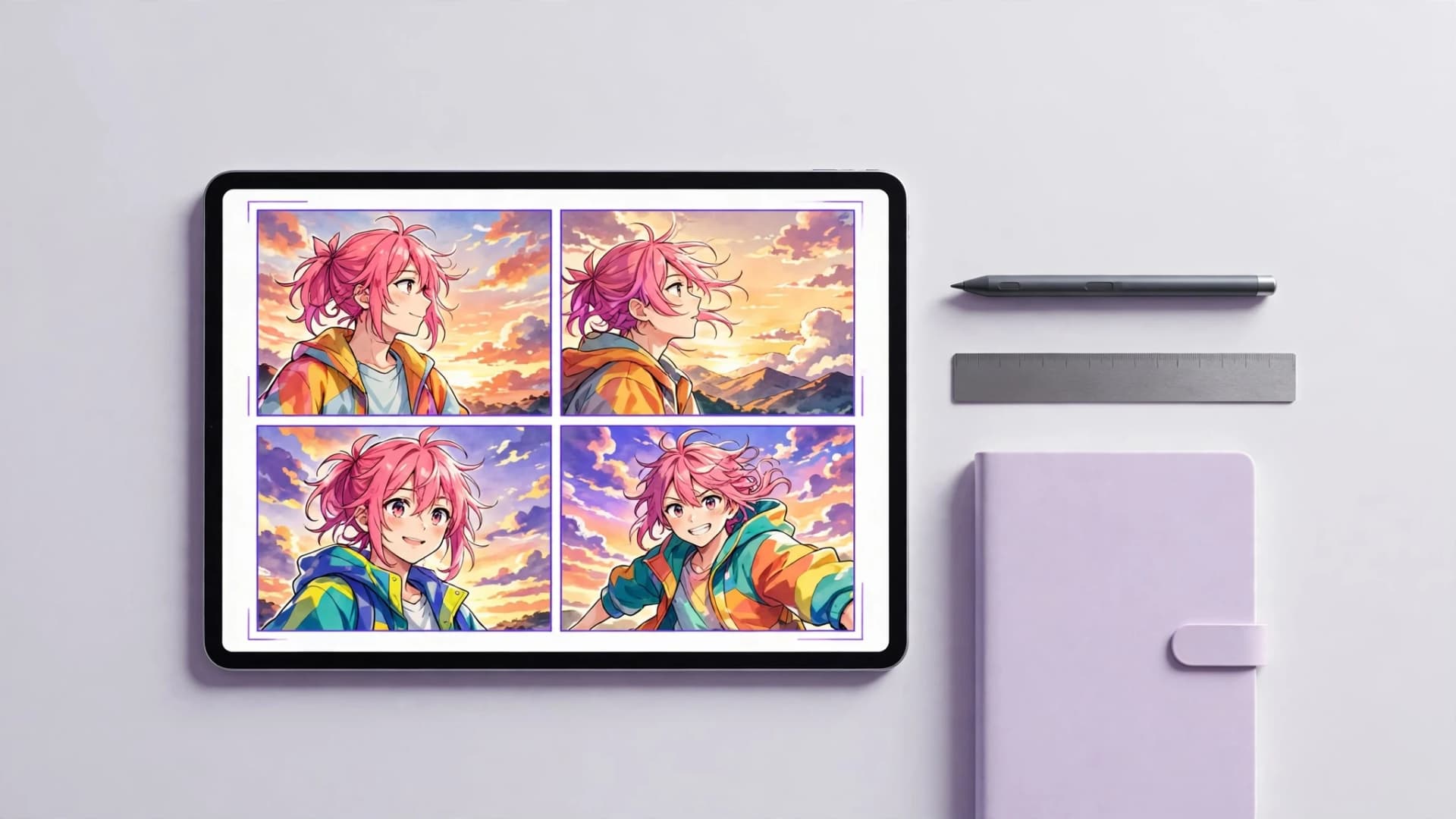
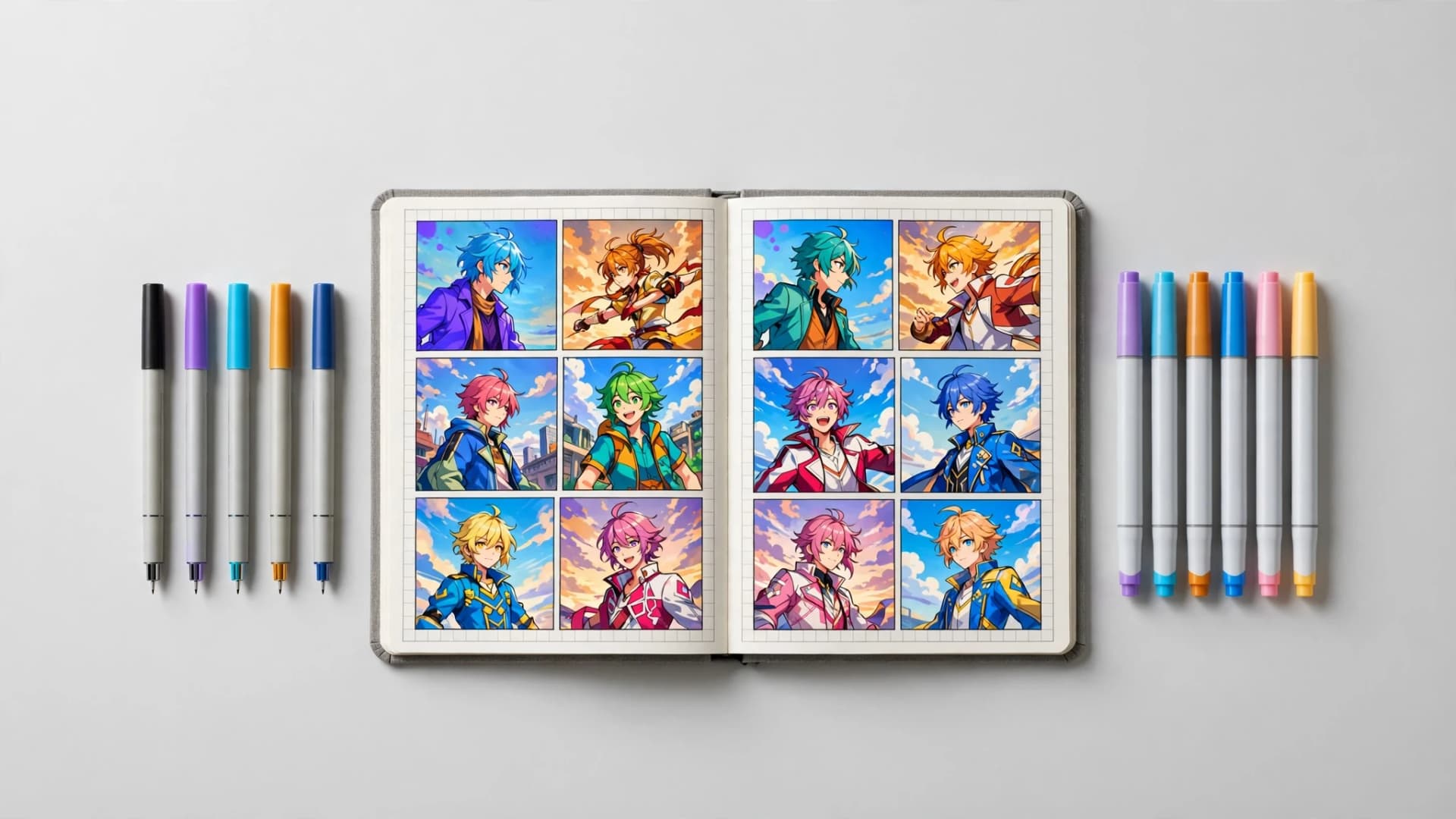
Graphic novel page proofs arranged for visual rhythm and export review

Bringing your story to life on the page

Learning how to make a graphic novel comes down to breaking a long creative project into clear, manageable phases. Once you outline the core narrative arc, script your panel sequences, and settle on a distinct visual look, the production process becomes predictable and fun.

Whether you hand-draw every panel or turn your written scenes into finished pages with an online tool, regular progress on thumbnails and layouts will keep your book moving forward. Focus on finishing one scene at a time, and your complete story will soon be ready to read and share.

Graphic novel FAQ

Frequently asked questions about how to make a graphic novel

Find clear answers to common questions about creating a graphic novel, from outlining your plot and scripting dialogue to visual storytelling and layout pacing.

How to make a graphic novel if you cannot draw?

Start by scripting your story clearly and using Yume Comic's AI comic maker to generate panel art and speech bubbles. Simply input your plot, select a manga or comic art style, and generate multi-panel pages without manual illustration.

What are the essential steps for a beginner graphic novelist?

As a beginner, outline your narrative arc, write a concise script, and map out rough panel beats. From there, drafting finished pages using digital tools helps visualize pacing before doing final line cleanup and lettering.

How do you format a graphic novel script before drawing?

A standard graphic novel script breaks the story into pages and numbered panels, detailing character actions, dialogue, and camera angles. Keeping descriptions brief ensures your artist or generator can clearly capture the intended scene pacing. For the full format with a sample page, see how to write a comic script.

What are the most effective graphic novel layout tips for pacing action?

Key graphic novel layout tips include varying panel sizes to emphasize dramatic moments and leaving ample room for dialogue bubbles so panels do not feel crowded. Placing major plot reveals on the turn of a page also keeps readers engaged.

How to make a graphic novel on the computer using an AI tool?

You can produce full pages directly in your web browser using an AI comic maker rather than learning complex desktop drawing suites. Platforms like Yume Comic turn written descriptions into structured pages with panels and speech bubbles.

How to plan a graphic novel before starting production?

Start by defining your central conflict, protagonist arc, and chapter milestones in a brief treatment document. When you map out the total page target early, it becomes much easier to pace each scene evenly. Decide early who opposes your hero; these villain ideas cover motives, powers and designs.

What is the 180 rule in comics and visual storytelling?

The 180 rule is an imaginary line between two interacting characters that the camera should not cross between panels. Staying on one side of this axis preserves spatial consistency, preventing readers from getting disoriented about who is standing where.

How long does it take to create a graphic novel?

Traditional graphic novels typically take solo creators anywhere from nine months to two years to script, pencil, ink, color, and letter. Digital tools and generator workflows can help most at the drafting stage, by turning a script into rough finished pages you can review and revise.

Can you self-publish a graphic novel online for free?

You can publish finished graphic novels for free on platforms like Webtoon Canvas, GlobalComix, or your personal website. Working digitally allows creators to share episodic stories directly with an audience without upfront print costs.

Can you commercially sell graphic novels created with Yume Comic?

Your comics come with a worldwide, non-exclusive license to use, share and publish them for personal and commercial purposes under the YumeComic Terms of Service. You keep ownership of the story text and images you upload; generated outputs are not guaranteed to be unique.

How do you keep characters looking consistent across comic pages?

Consistency relies on distinct silhouettes, recurring color schemes, and recognizable signature traits like hairstyles or jackets. In Yume Comic, you can save up to four characters per comic, each from a description or a reference image, to keep them consistent across panels.

See similar blogs

More from the blog