
How do you brainstorm original manga ideas?
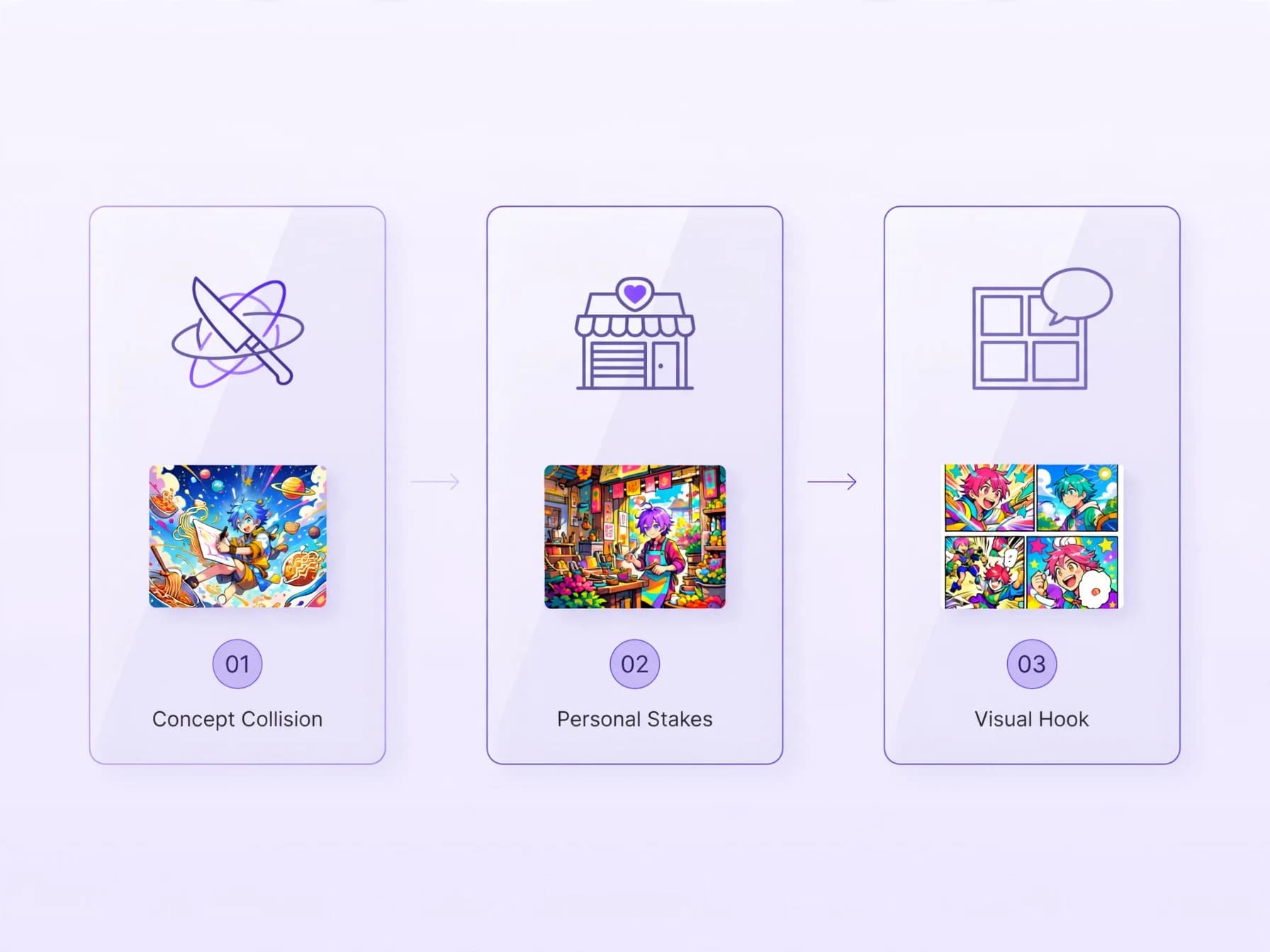
Starting with fresh manga ideas begins by combining two familiar concepts into an unexpected pairing. You can take an everyday high school routine and collide it with supernatural debts, or merge competitive culinary tournaments with cosmic bounty hunting. This initial collision gives your premise immediate tension and clarity.
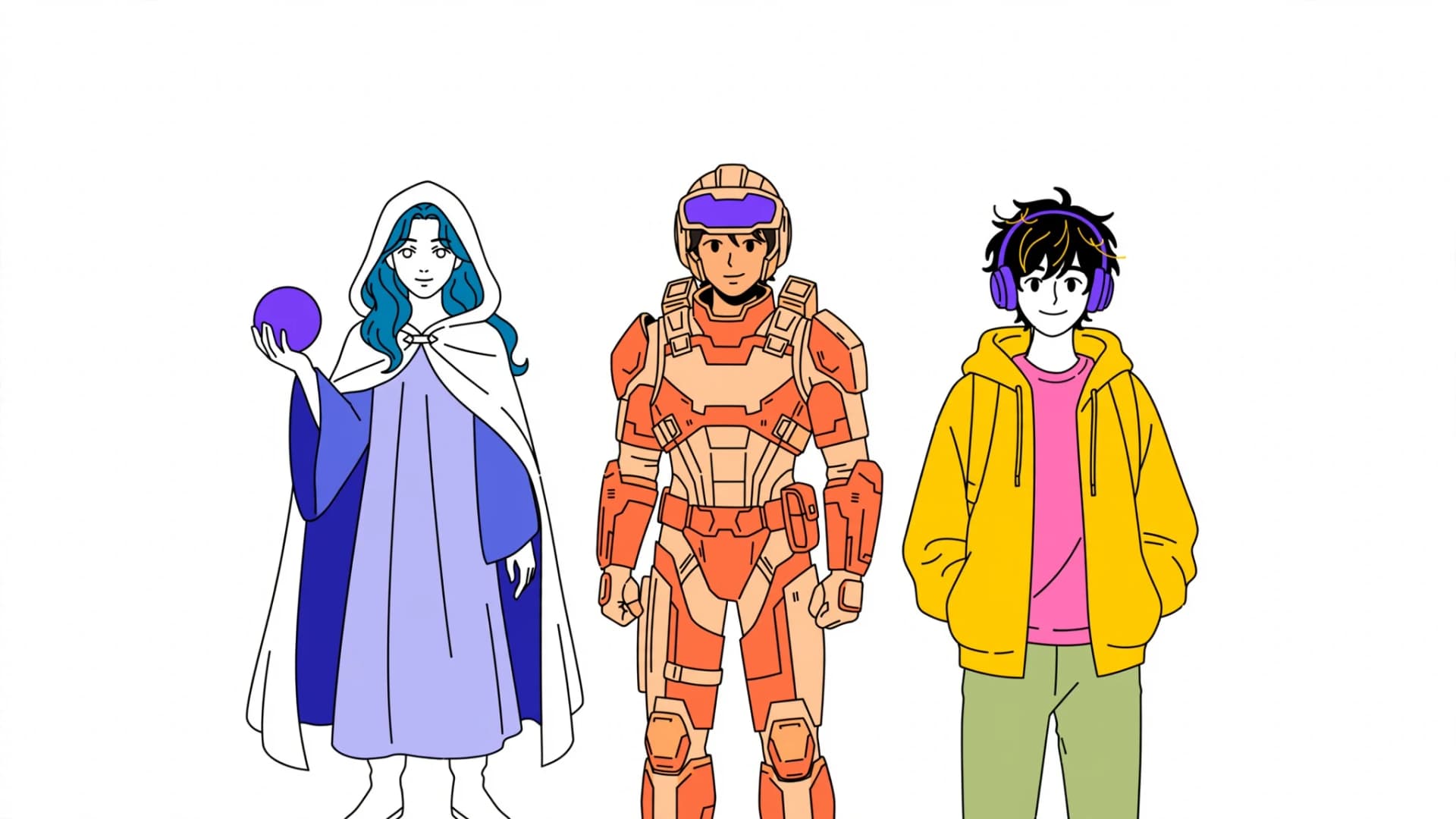
Developing strong manga premise inspiration also requires grounding your protagonist in a tangible goal with strict personal stakes. Rather than asking a hero to save the entire universe immediately, force them to win a neighborhood duel to keep their family workshop open. Smaller initial conflicts allow readers to connect deeply with your cast before broader adventures unfold.
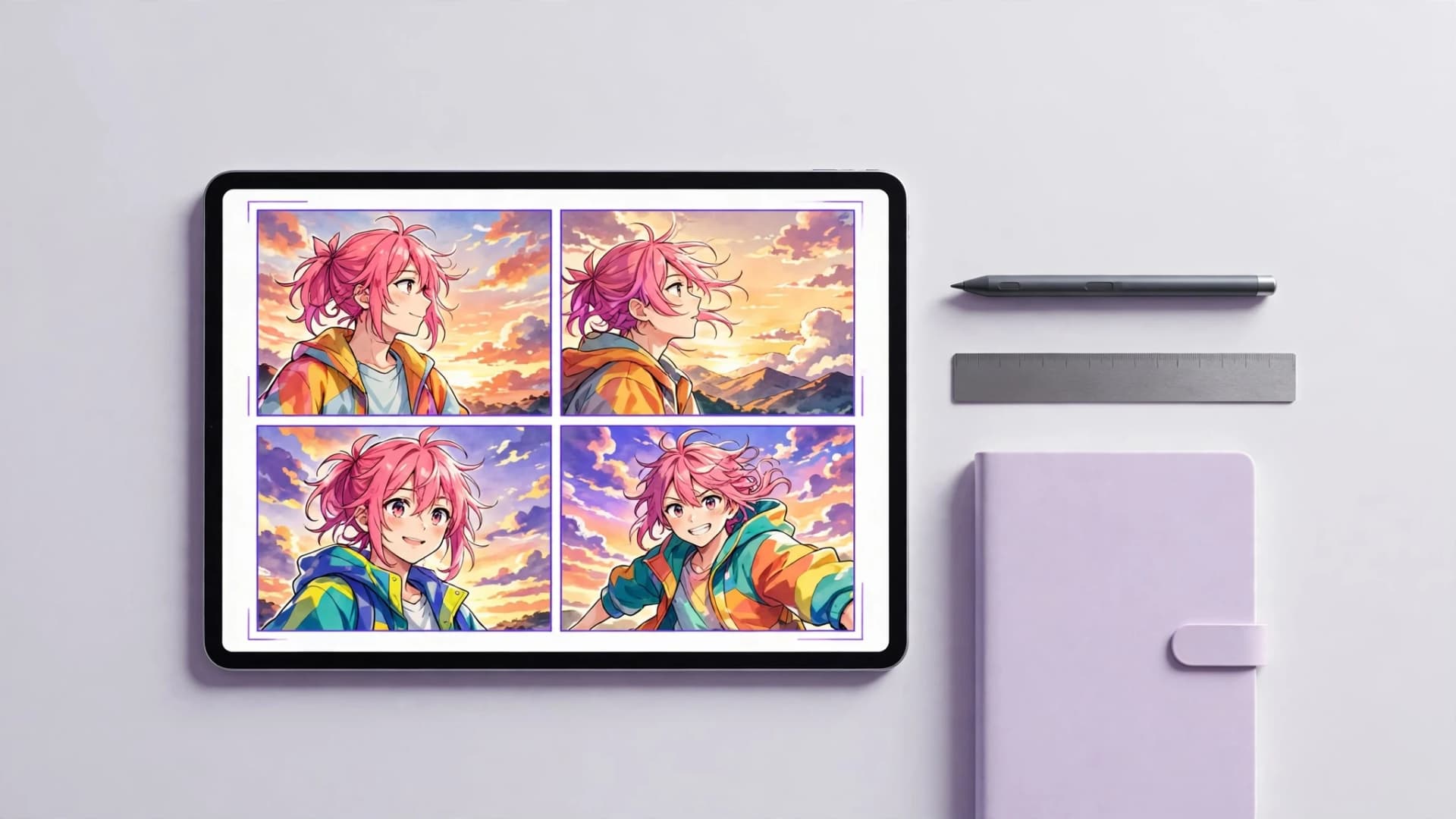
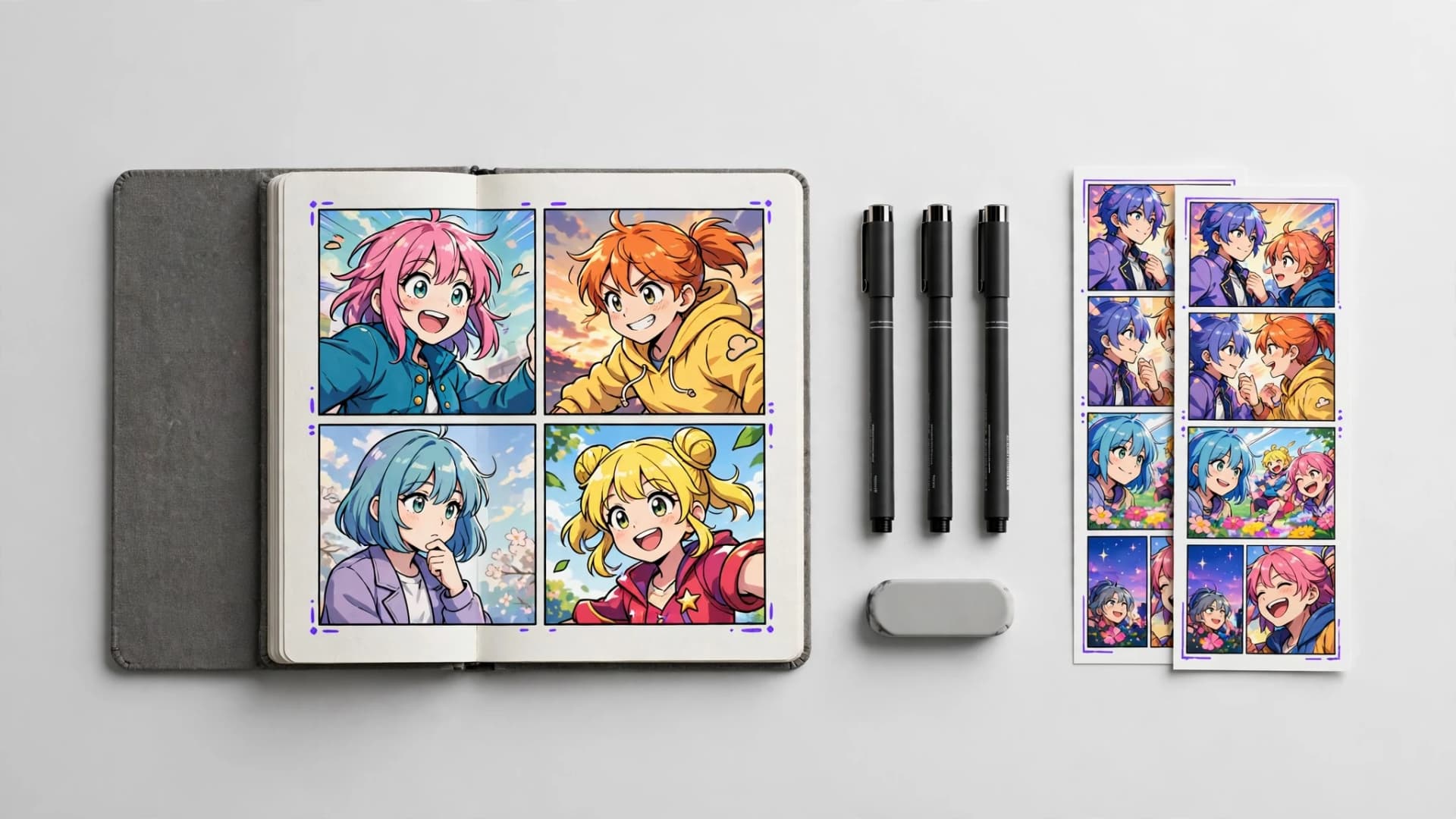
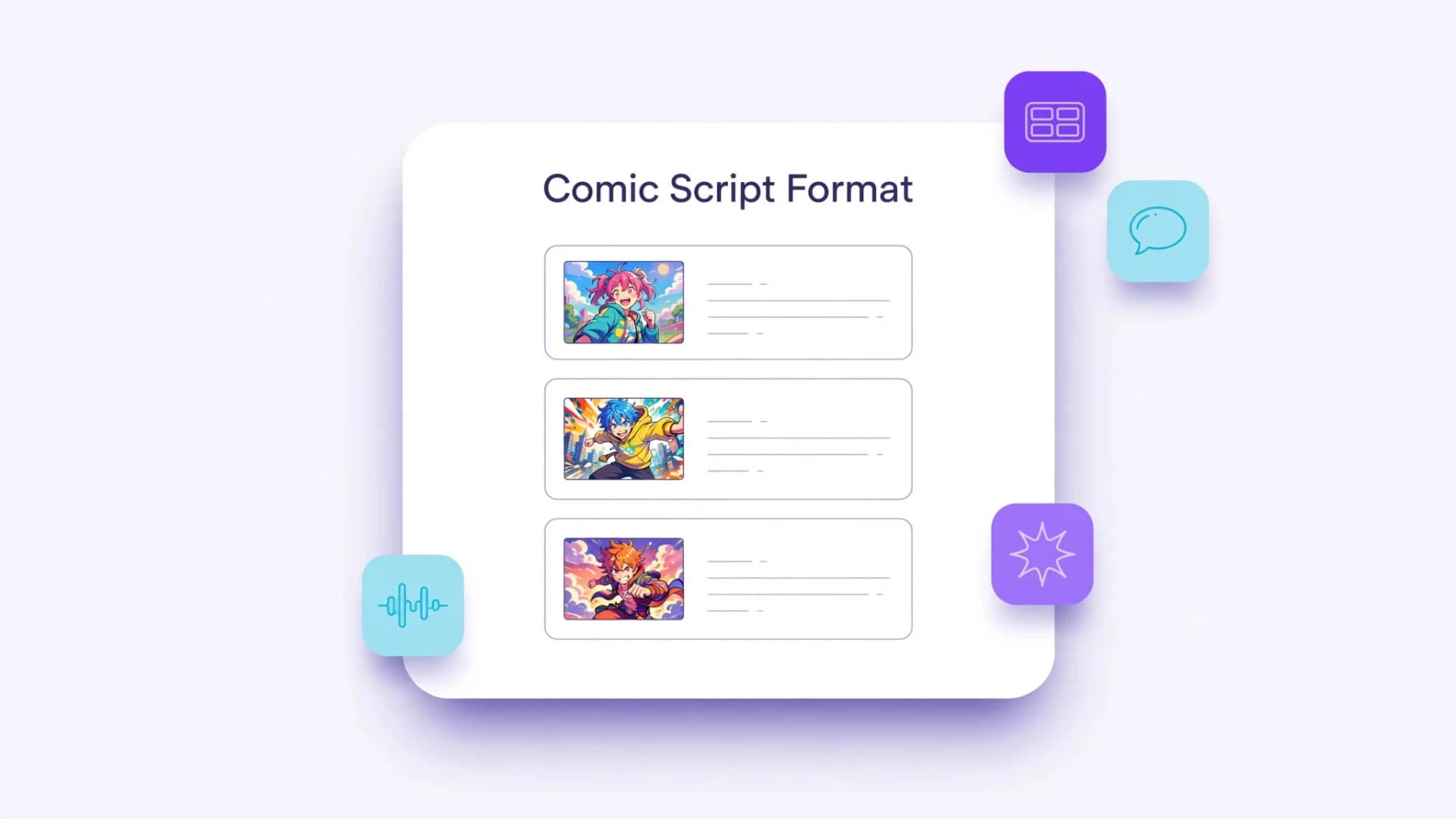
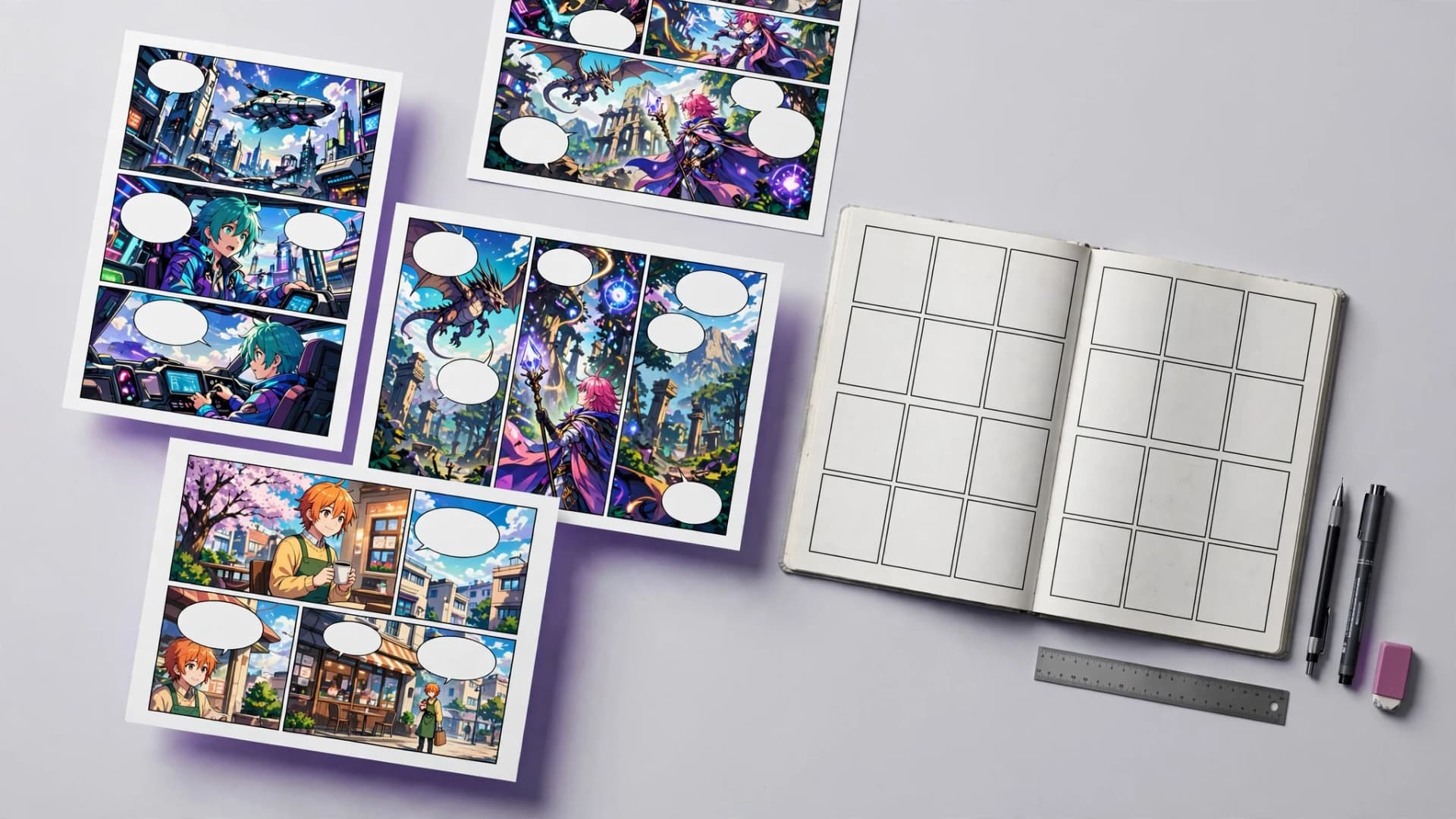
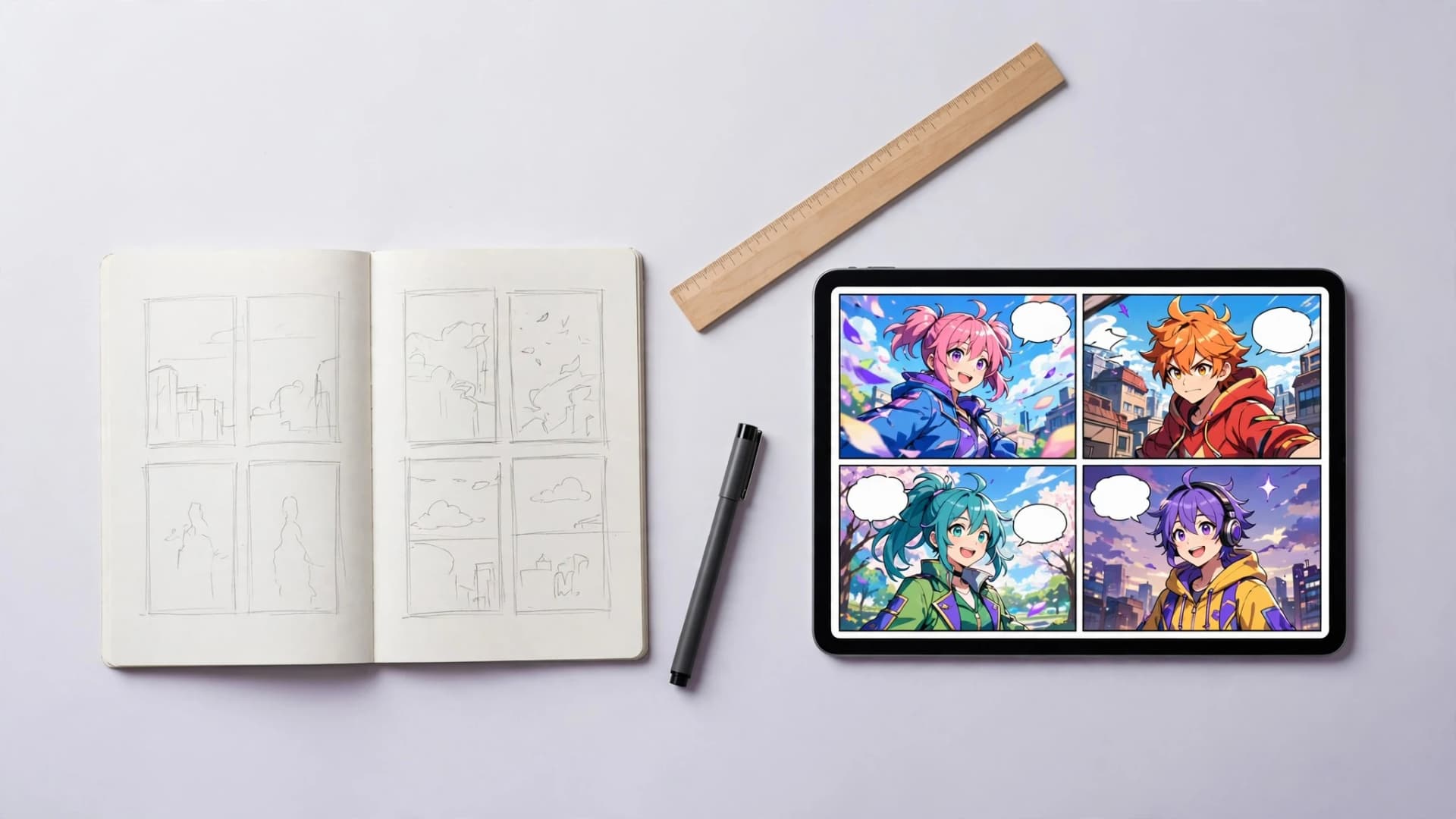
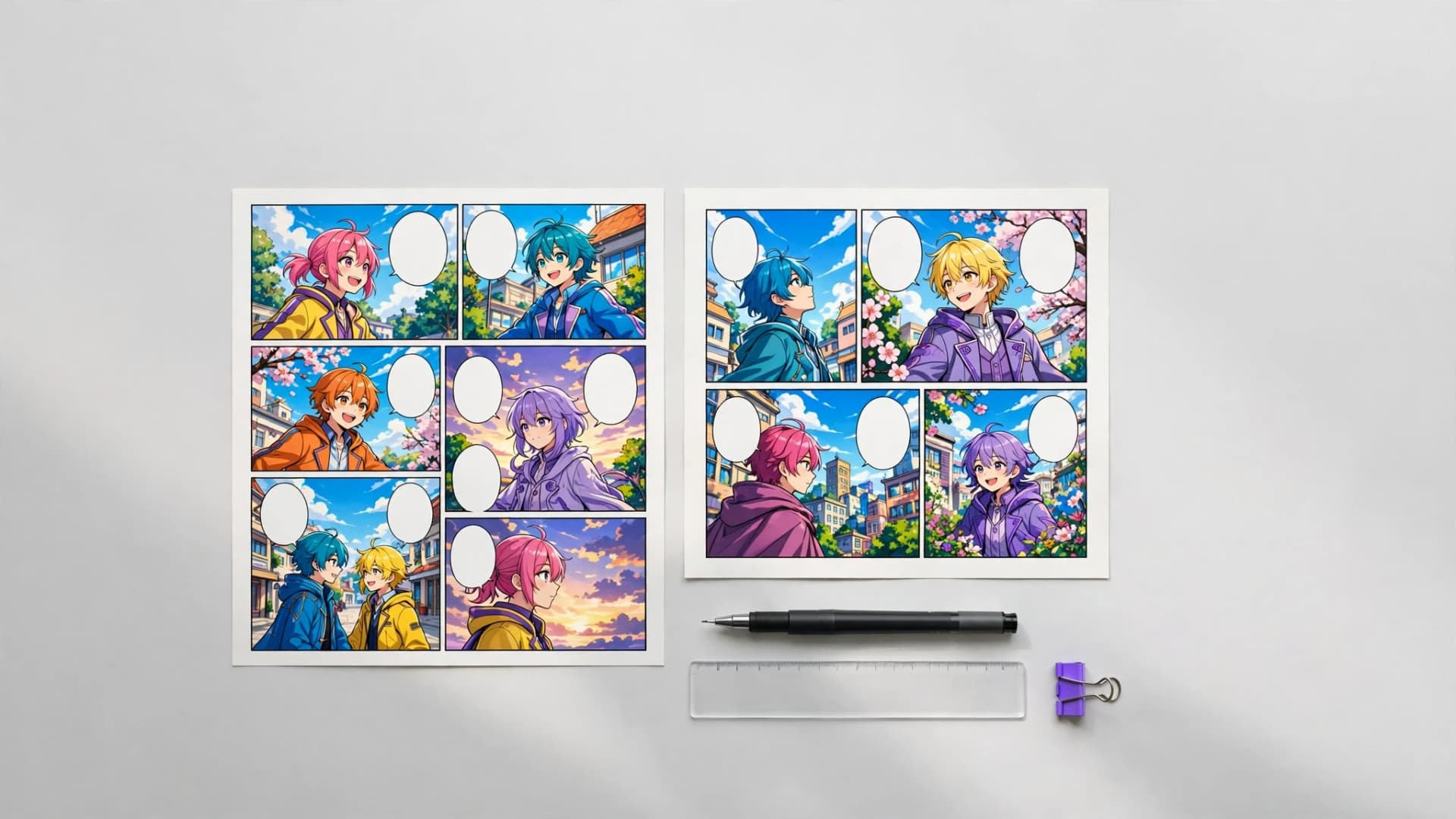
Once your basic concept feels solid, explore broader comic ideas to map out the opening obstacles. You can write your core hook directly into an online manga maker to see panel layouts and dialogue boxes appear visually. This guided workflow helps you test pacing early without losing creative momentum.
Shonen and high-concept action premises
High-octane manga ideas thrive on distinct power rules and visible physical consequences. When characters push past their limits, the cost should feel immediate through lost energy, broken gear, or strained personal alliances. Readers stay invested when battles test strategic wits rather than raw strength alone.
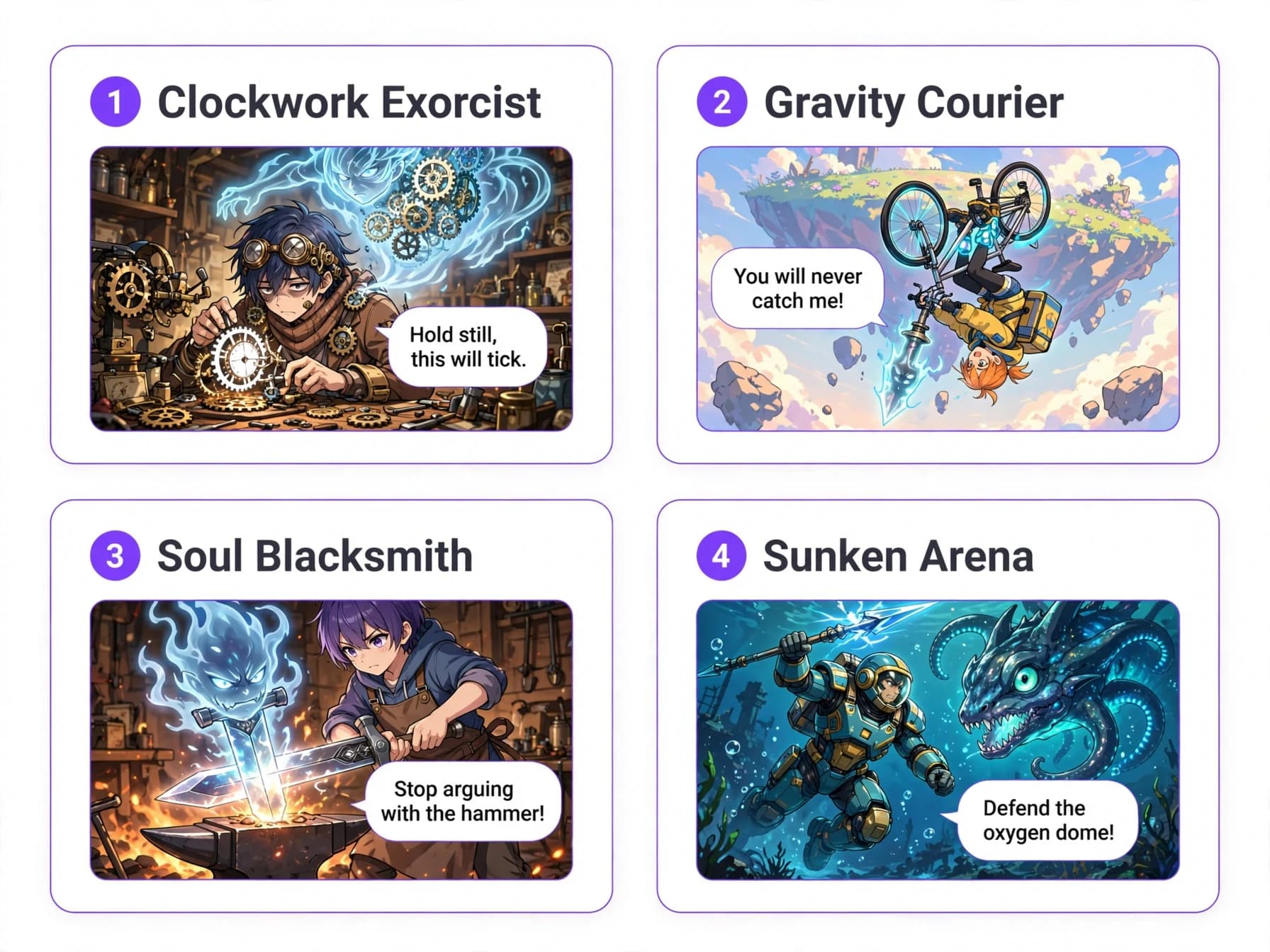
1. Clockwork Exorcist
A disgraced horologist repairs broken spirits using brass gears and pocket watch springs while hunting the demon that stole his daughter's heartbeat.
2. Gravity Courier
A teenage bicycle messenger in a fractured floating city uses inverted gravity boots to outrun aerial police squads.
3. Soul Blacksmith
A novice armorer discovers that forging weapons from defeated phantom beasts binds their stubborn personalities into the blades.
4. Sunken Arena
In an underwater metropolis, gladiators pilot mechanical diving suits to defend oxygen domes from deep-sea leviathans.
Supernatural thriller and fantasy manga ideas
Developing gripping fantasy manga ideas requires building a world where magic carries genuine social weight and legal boundaries. When mysterious curses interact with regular city laws or merchant guilds, your story gains grounded logic that keeps supernatural twists believable.
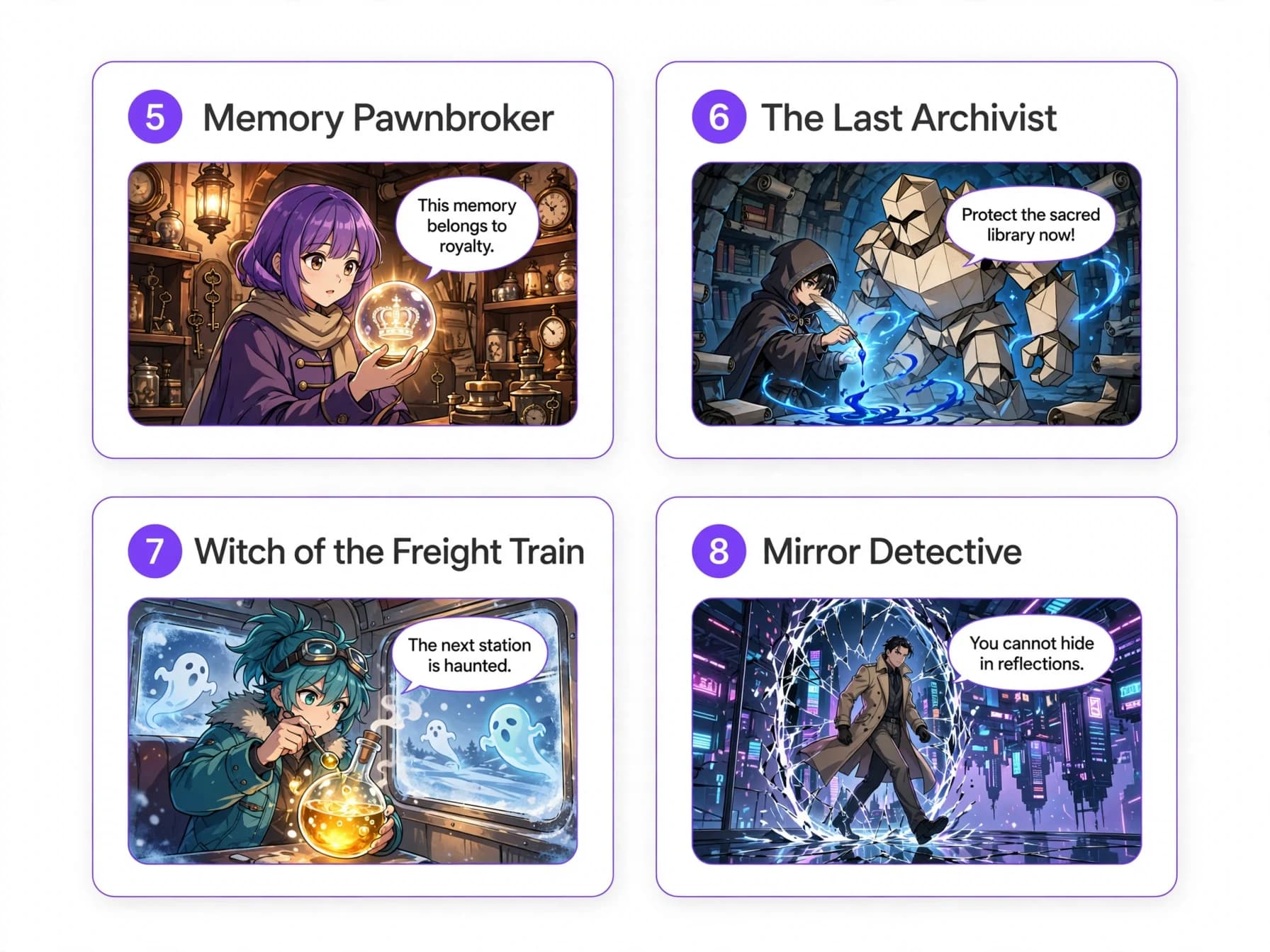
5. Memory Pawnbroker
A quiet shopkeeper buys traumatic memories from desperate citizens, only to discover a customer sold the recollection of a royal assassination.
6. The Last Archivist
In an empire where paper books are banned, a rogue scribe protects an underground library using ink spells that manifest paper golems.
7. Witch of the Freight Train
A traveling apothecary brews healing potions aboard a perpetual locomotive that traverses haunted frozen tundras.
8. Mirror Detective
A private investigator who can step through reflective glass tracks fugitives across an inverted city hidden behind bathroom mirrors.
Slice-of-life and wholesome comedy premise inspiration
Gentle slice-of-life manga story ideas focus on relatable human quirks, micro-conflicts, and charming daily rituals. Humor emerges naturally when characters take totally trivial pursuits with utter seriousness, such as baking the ultimate melon pan or managing a chaotic school club.
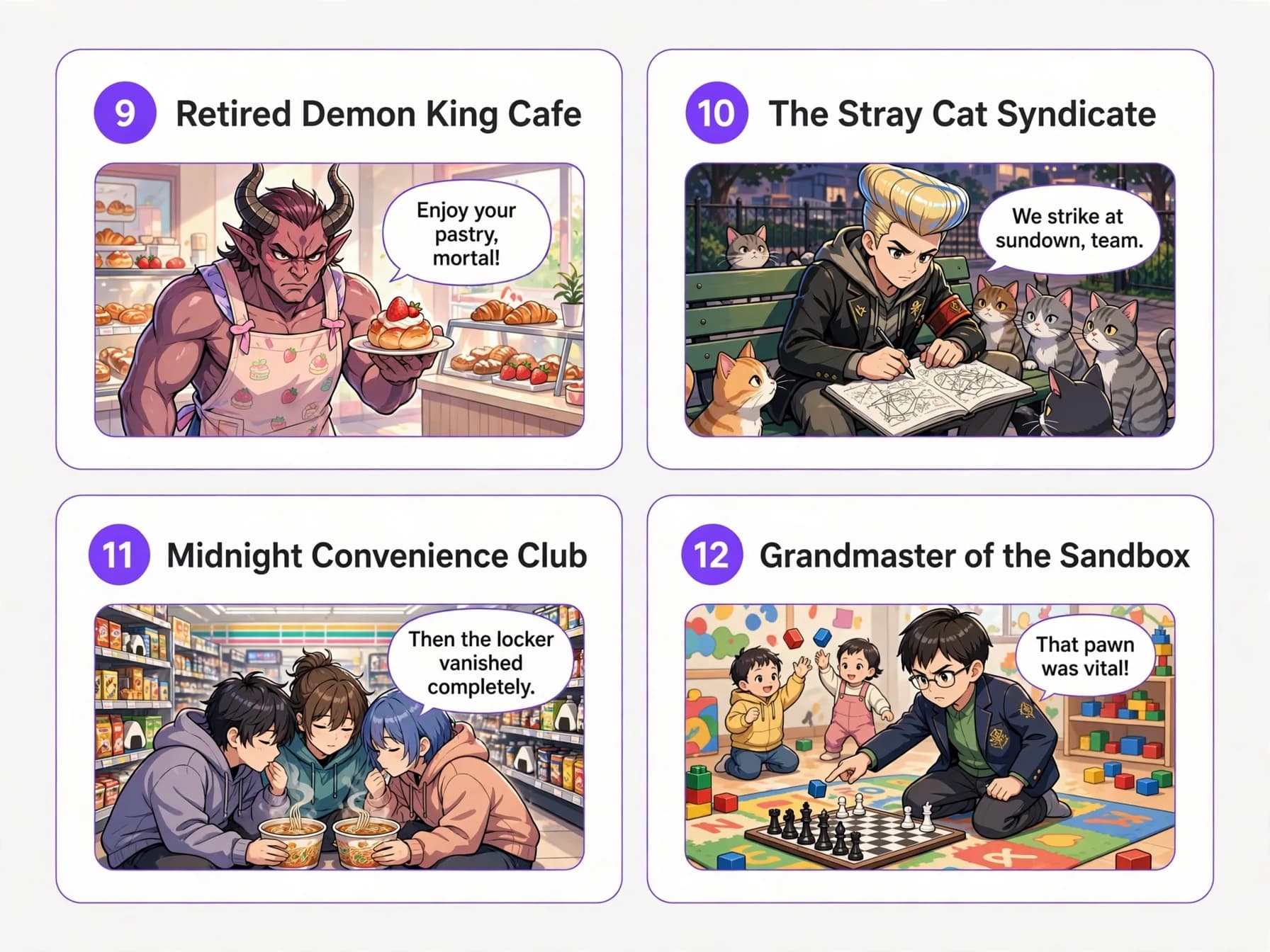
9. Retired Demon King Cafe
An ancient warlord opens a quiet suburban bakery but accidentally terrifies customers with overly intense customer service.
10. The Stray Cat Syndicate
A high school delinquent secretly manages a park feline colony, translating their neighborhood turf wars into diary sketches.
11. Midnight Convenience Club
Three insomniac students meet every Tuesday at 2 AM in an aisle of a 24-hour mart to swap ghost stories and instant noodles.
12. Grandmaster of the Sandbox
A competitive board game prodigy tries to teach grandmaster chess strategies to unruly toddlers at a daycare center.
Shoujo romance and emotional drama storylines
Memorable shoujo manga concepts center on heartfelt vulnerability, unvoiced feelings, and genuine personal transformation. Strong romantic narratives thrive when protagonists must overcome internal insecurities before they can build meaningful bonds with others.
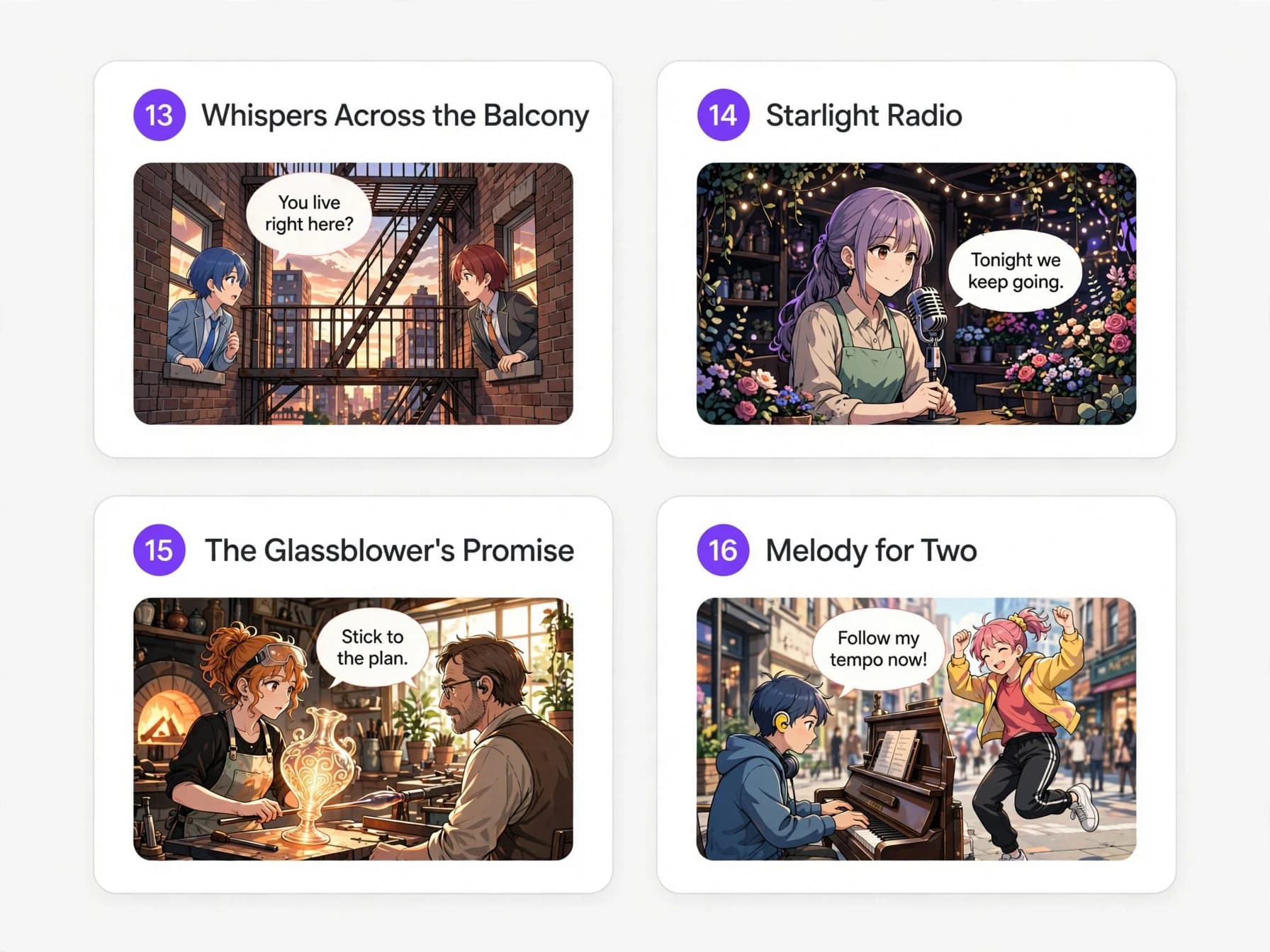
13. Whispers Across the Balcony
Two rival high school debaters discover they are next-door neighbors whose bedroom windows share a single fire escape.
14. Starlight Radio
A reclusive florist hosts an anonymous pirate radio advice show that unwittingly helps her estranged childhood crush navigate grief.
15. The Glassblower's Promise
An ambitious glass artist agrees to stage a fake courtship with an antique restorer to enter a prestigious national artisan guild.
16. Melody for Two
A hearing-impaired pianist and an energetic street dancer team up to create a hybrid performance art showcase for an urban festival.
Cyberpunk and speculative sci-fi concepts
Futuristic stories allow creators to explore how rapid technological shifts reshape human empathy and societal survival. You can weave new manga concepts around cybernetic debt, planetary weather shifts, or unusual digital professions that challenge traditional ideas about identity.
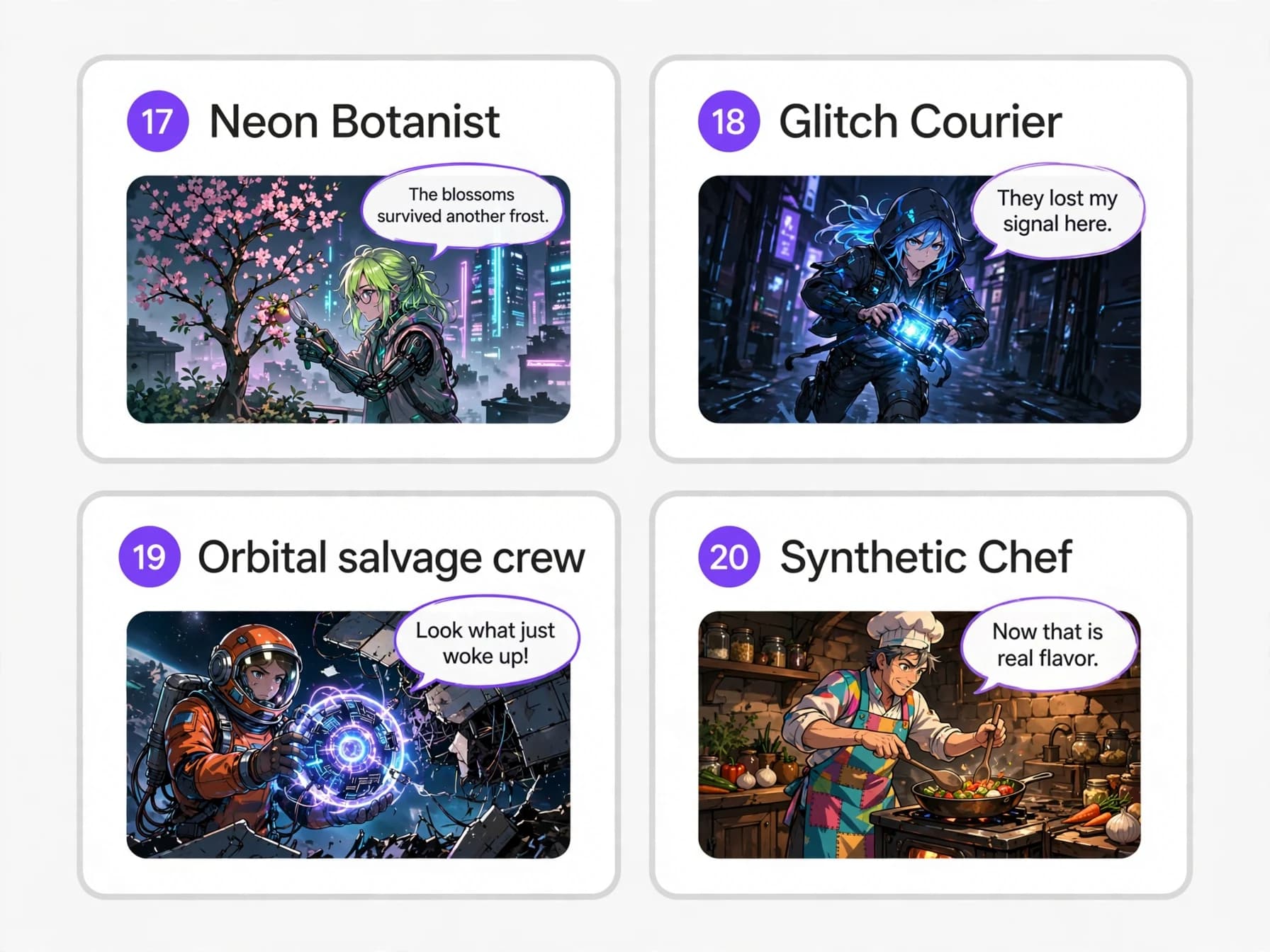
17. Neon Botanist
A cybernetic gardener maintains the last living rooftop orchard inside a smog-choked megacity run by synthetic agricultural cartels.
18. Glitch Courier
A digital courier physically smuggles encrypted data drives through the offline alleyways of an omnipresent surveillance state.
19. Orbital salvage crew
Four deep-space scrappers harvest dead communications satellites while unearthing an artificial intelligence trapped in standby mode.
20. Synthetic Chef
In a world of nutrient paste, an unlicensed cook builds an illegal kitchen to recreate authentic heirloom recipes using antique cookware.
Historical fiction and martial arts storylines
Historical settings provide rich cultural tapestries, strict social codes, and dramatic physical choreography. When crafting stories set in past eras, focusing on specialized trades, regional dialects, and authentic tools helps immerse readers in your chosen timeline.
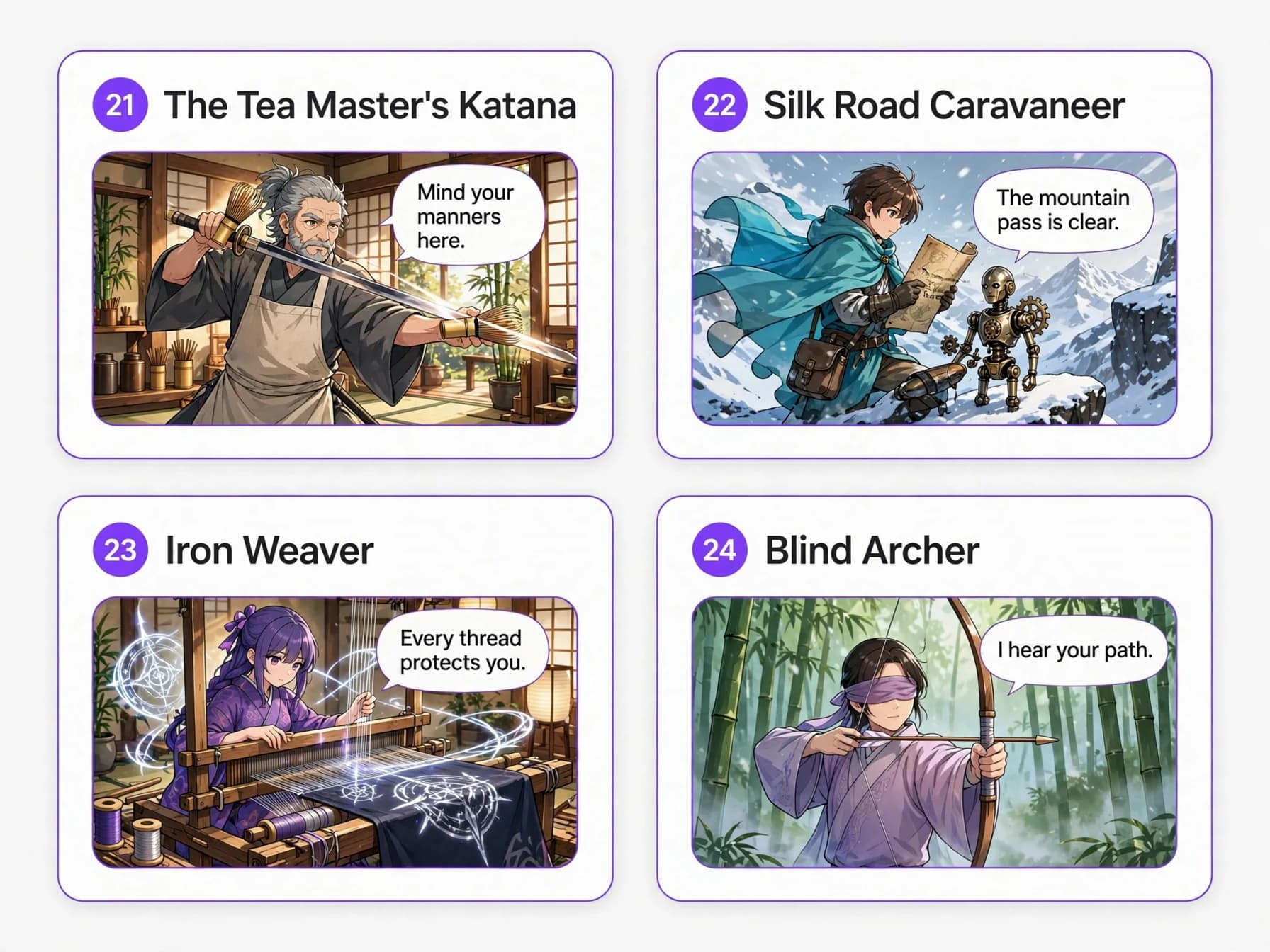
21. The Tea Master's Katana
A legendary swordsman retires to open a modest tea house, defending his village using only wooden whisks and bamboo implements.
22. Silk Road Caravaneer
A teenage cartographer navigates treacherous mountain passes while guarding a merchant caravan transporting a mysterious clockwork automaton.
23. Iron Weaver
In nineteenth-century Kyoto, a textile weaver discovers her family looms can weave protective warding sigils into ceremonial samurai cloaks.
24. Blind Archer
A wandering blind musician uses heightened acoustic awareness to shoot longbow arrows by tracing the whistle of arrows through bamboo forests.
Mystery and psychological suspense premises
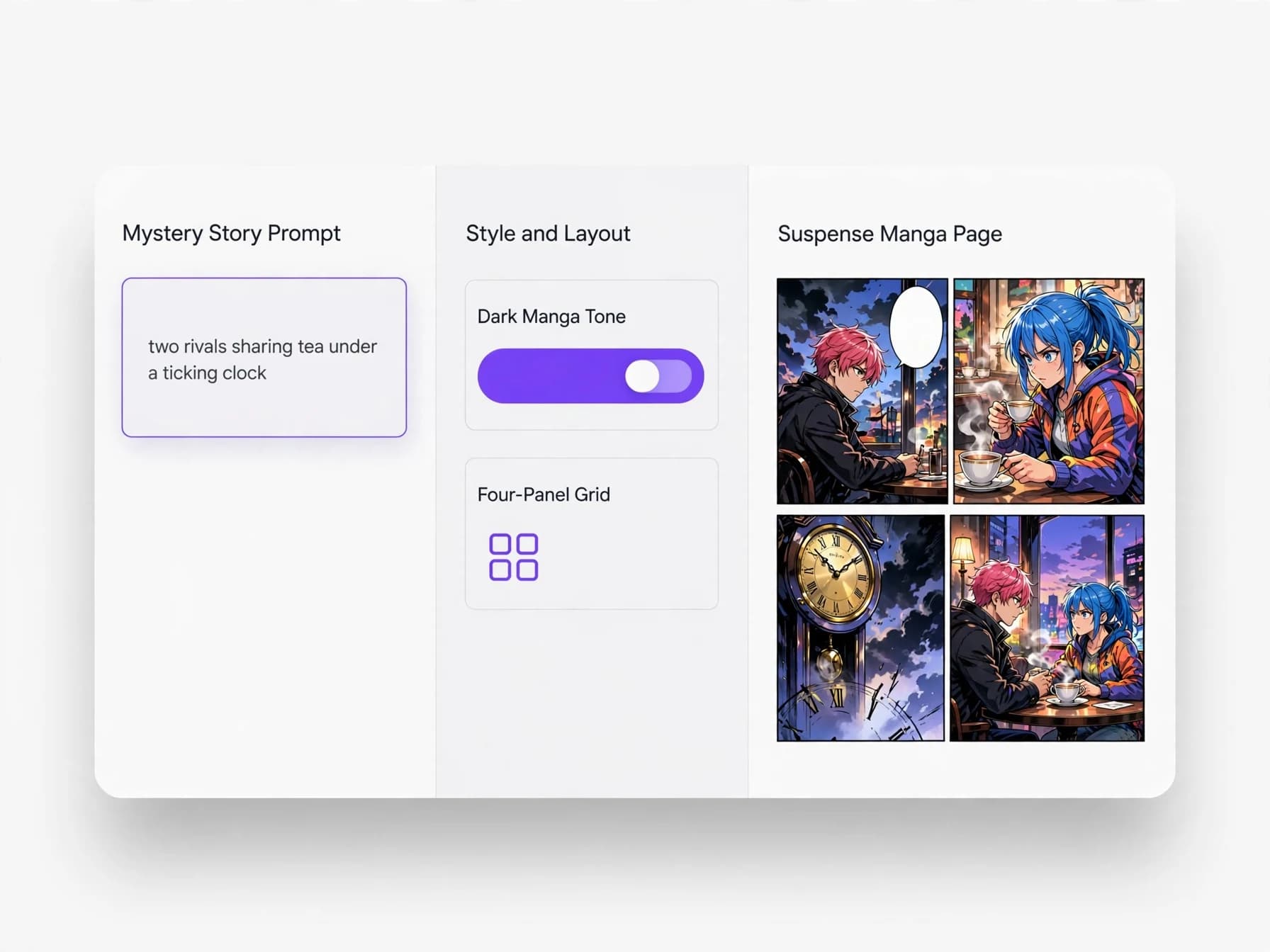
Psychological manga thrives on quiet tension, hidden motives, and clever mind games. You do not need massive explosions when two characters sharing tea across a table are silently plotting against each other. Give your protagonist a secret to protect and drop a suspicious rival into the room to spark instant drama.
Try prompts centered on high-stakes mysteries, like an antique pen predicting tomorrow's headlines or six dinner guests trapped in a locked banquet hall. Describe the shadowy corners, the ticking clock on the wall, and the nervous expressions of your cast. A few vivid details set up the atmosphere before the story even unfolds.
Once you paste your mystery prompt into Yume Comic, pick a moody art style and choose how many panels you want per page. Watch your suspenseful concept transform into a full multi-panel page complete with speech bubbles. You can test different twists and explore where the cat-and-mouse game leads next.