
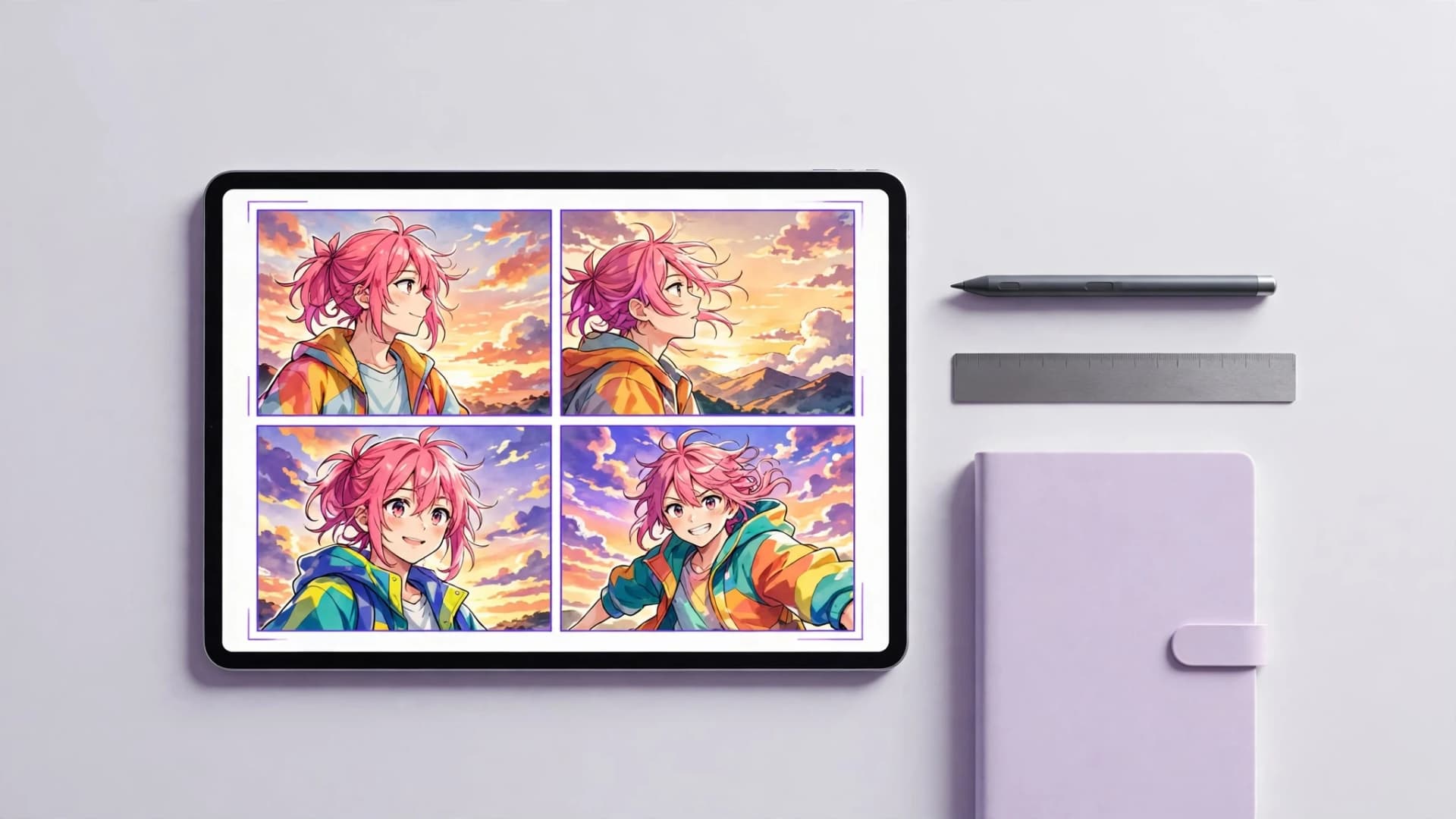
How to start a manga with a strong concept
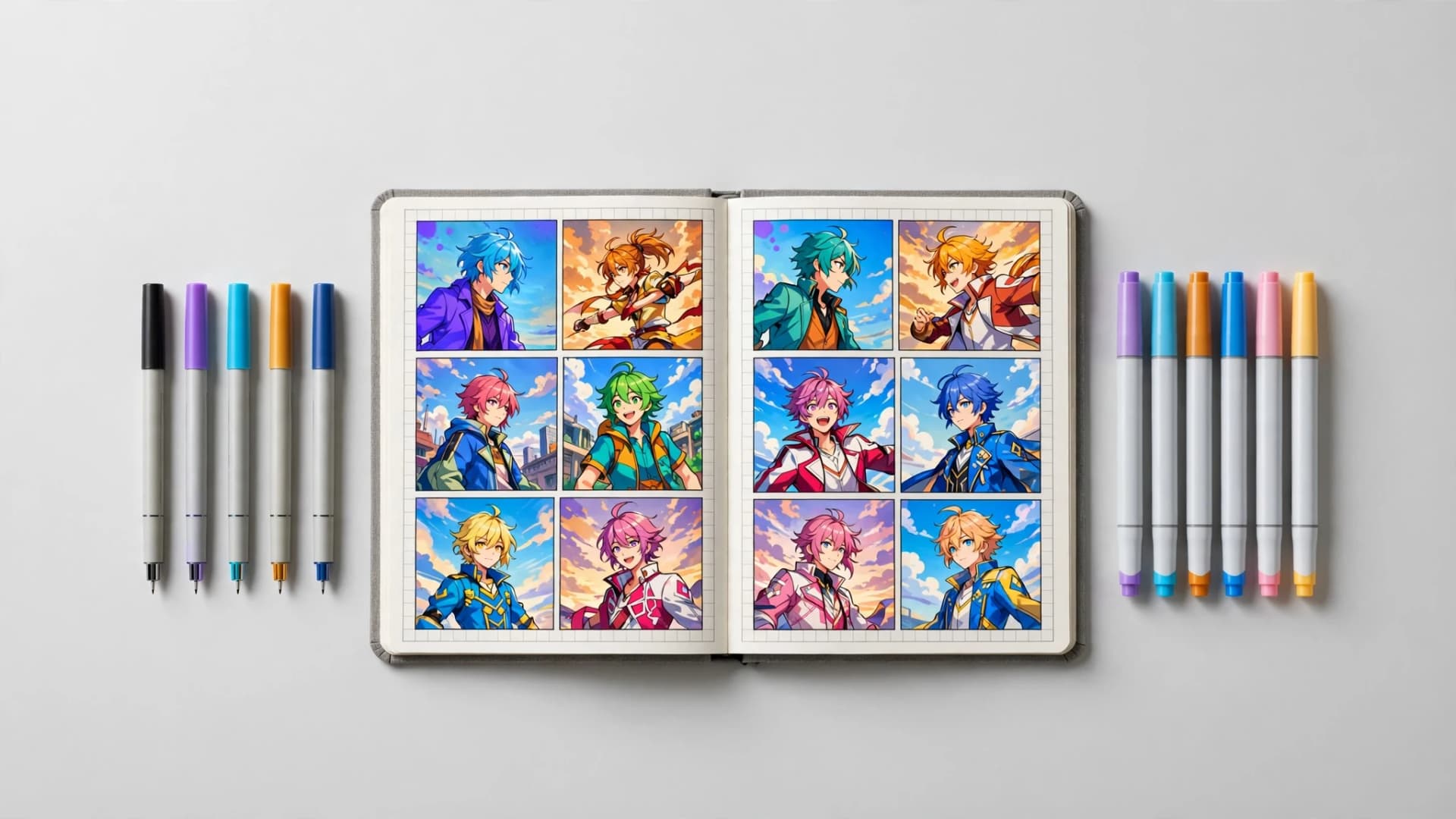
Learning how to start a manga begins with a single core question: what does your protagonist want, and what stands in their way? Great stories in any genre hinge on clear stakes and emotional hooks rather than complex world lore. When you focus on a relatable conflict first, planning your chapters becomes much simpler.
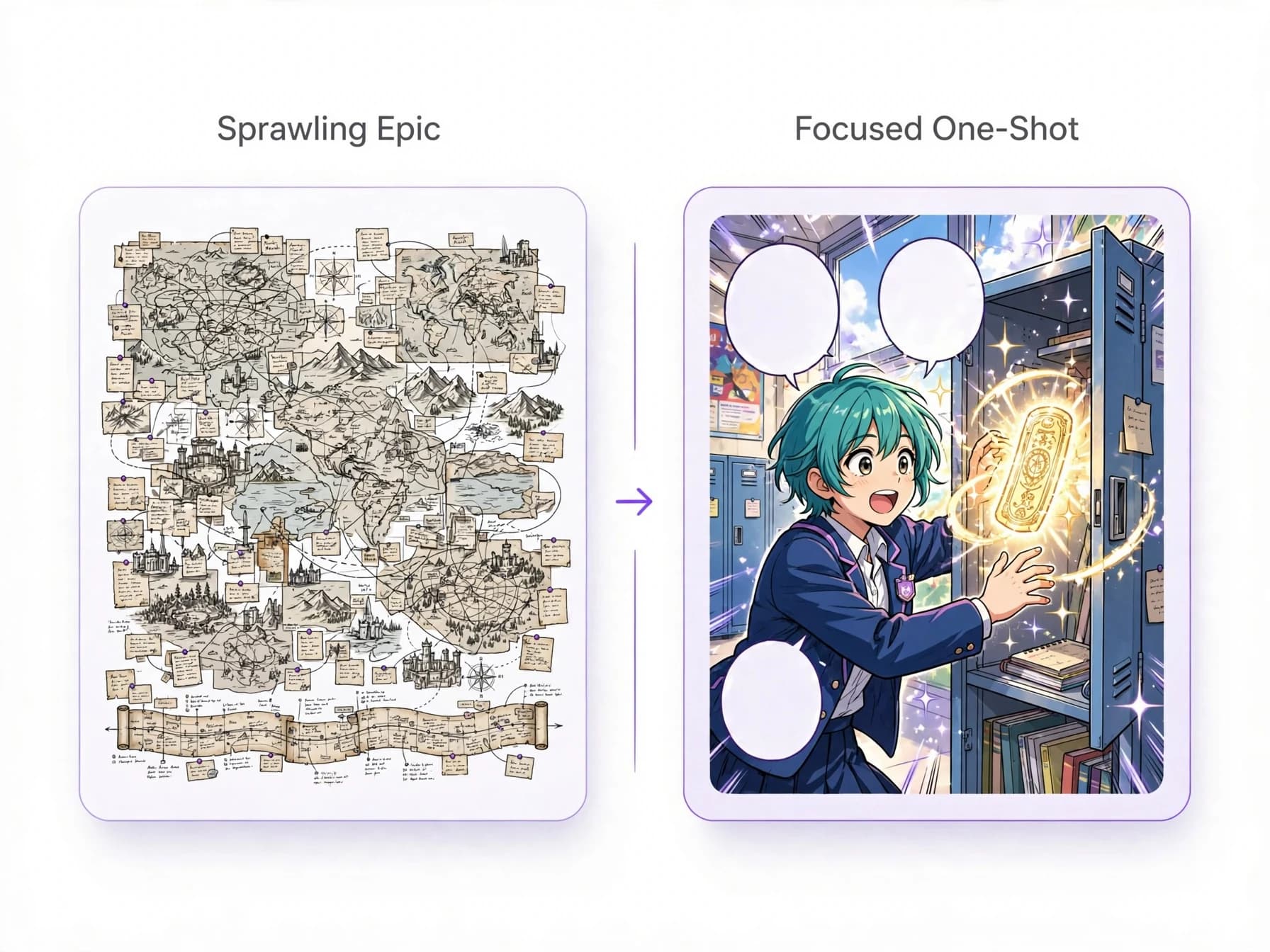
Beginners often attempt to plan a multi-volume epic right away, but starting with a self-contained one-shot story is the smartest path forward when making a manga for the first time. A one-shot forces you to introduce characters, build tension, and resolve a central problem within twenty pages or fewer. This format teaches you how pacing works before you commit months of effort to a sprawling series.
Take inspiration from everyday situations and combine them with unexpected twists or subtle magical realism. A mundane school setting can shift dramatically when one student discovers a strange notebook or an eccentric neighbor. If you want a broader look at general visual storytelling, you can also read our guide on how to make a comic. If you need a spark, browse these comic ideas. Once your premise feels exciting and compact, you are ready to make a manga outline that carries real momentum.
How to write manga scripts and dialogue
Understanding how to write manga requires thinking in pictures before you write a single line of speech. A manga script differs from a traditional novel because visual action must drive the narrative across panels. Each scene should balance spoken dialogue, emotional reactions, and background context so the page never feels overcrowded.
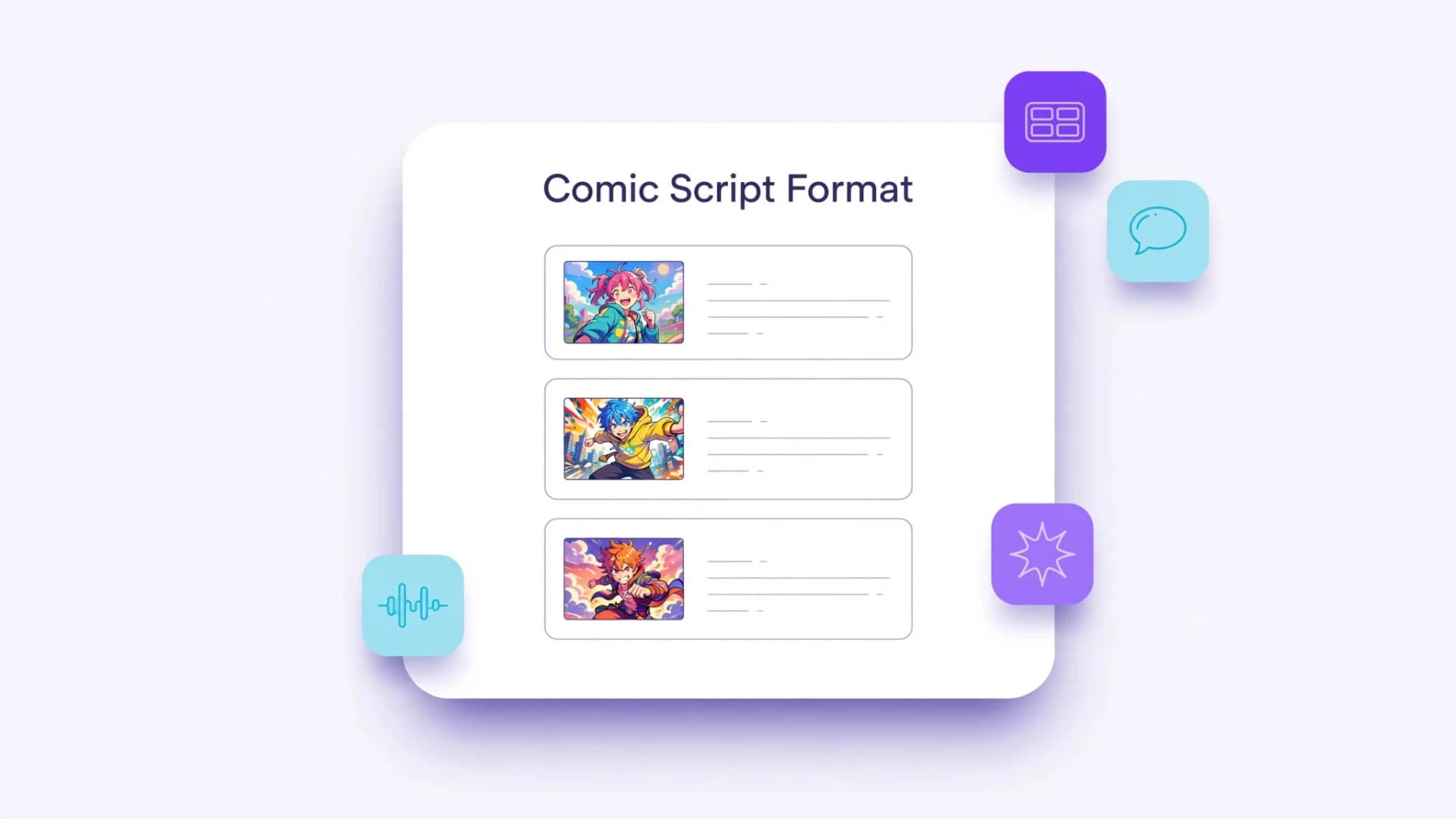
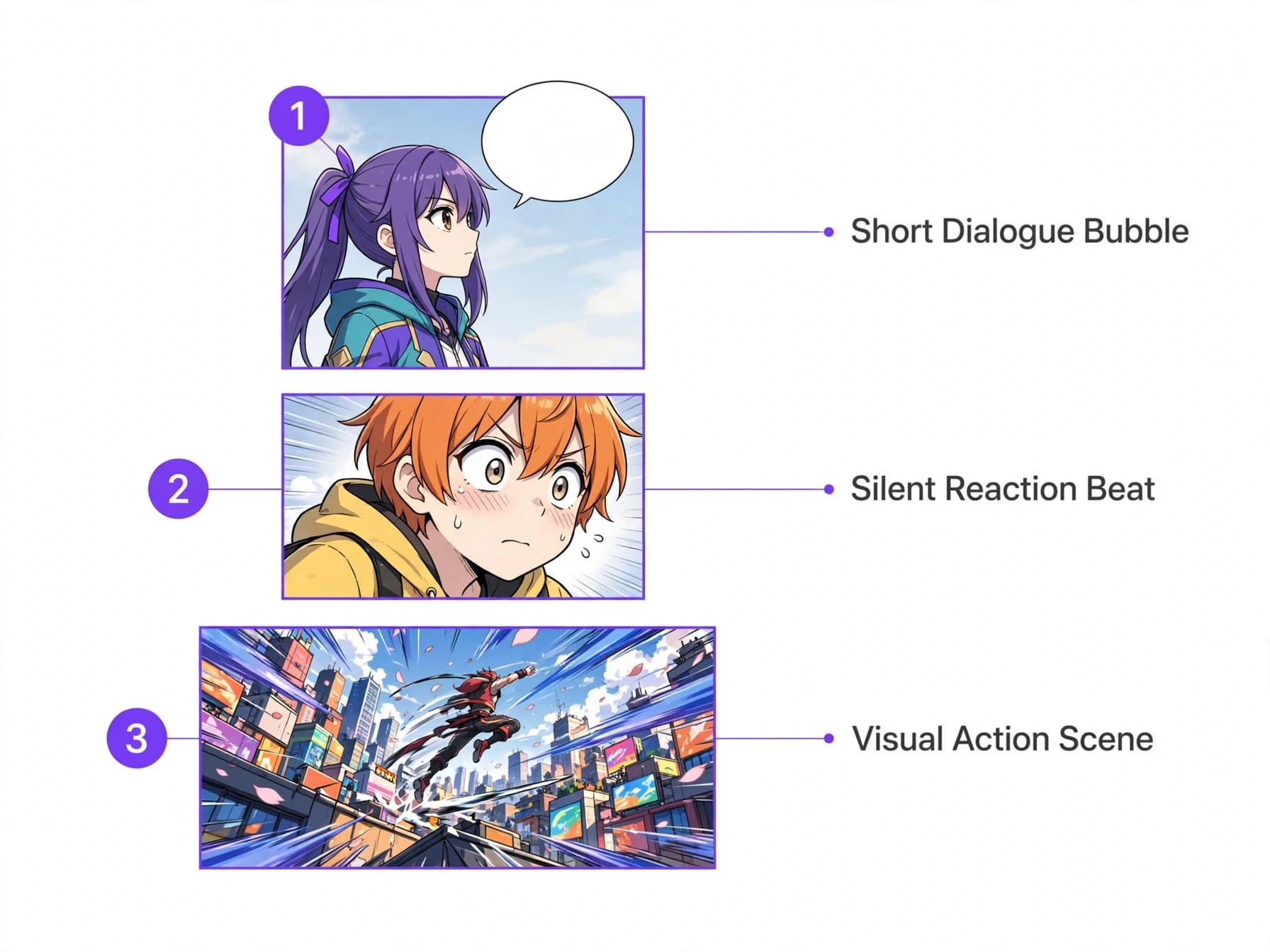
Format your script by breaking down pages panel by panel. Note the action taking place, the camera distance, and the exact lines of dialogue inside the speech bubbles. Keeping dialogue under twenty words per bubble ensures that text does not swallow up the character artwork or interrupt the visual flow.
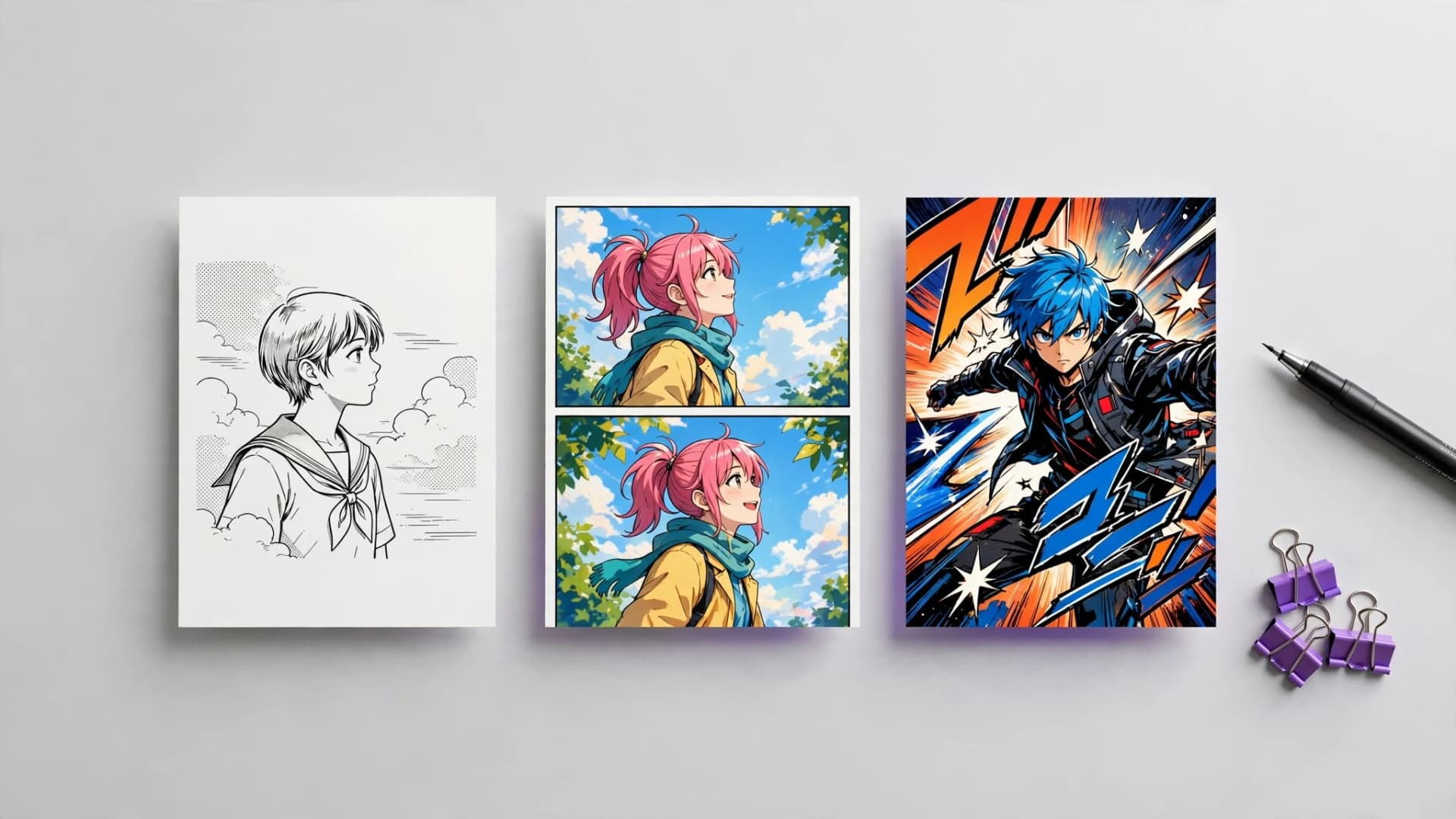
Leave room for silent panels that convey shock, hesitation, or environmental mood. In traditional shonen and shojo storytelling alike, facial expressions and dramatic angles often communicate far more than spoken exposition. A well-paced script lets the visuals breathe and prepares you for the next production stage.
How to make a manga step by step
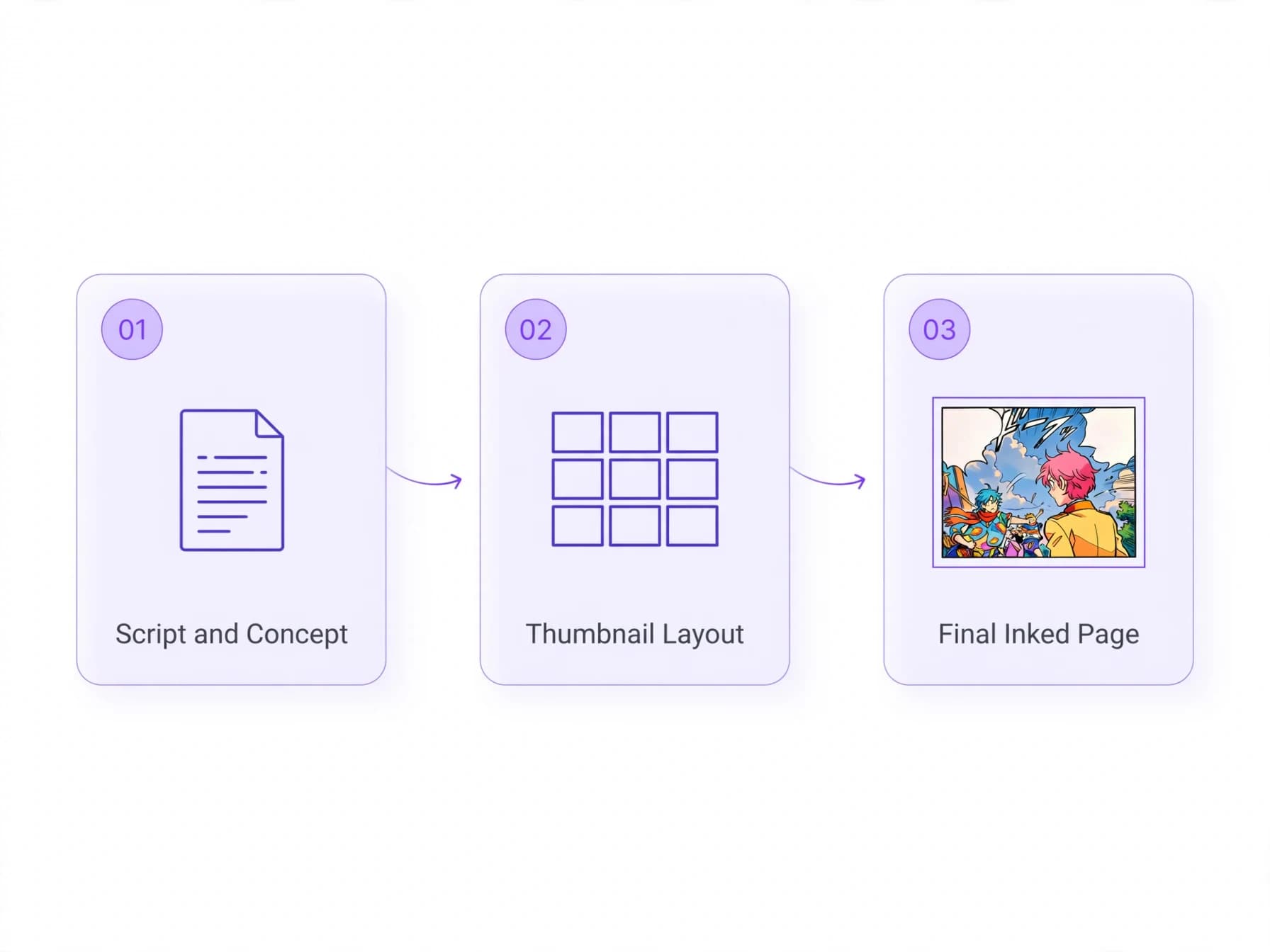
The process of making a manga moves through five distinct stages that move an idea from rough notes to finished art. Following a structured roadmap prevents overwhelm and helps you finish complete chapters on schedule.
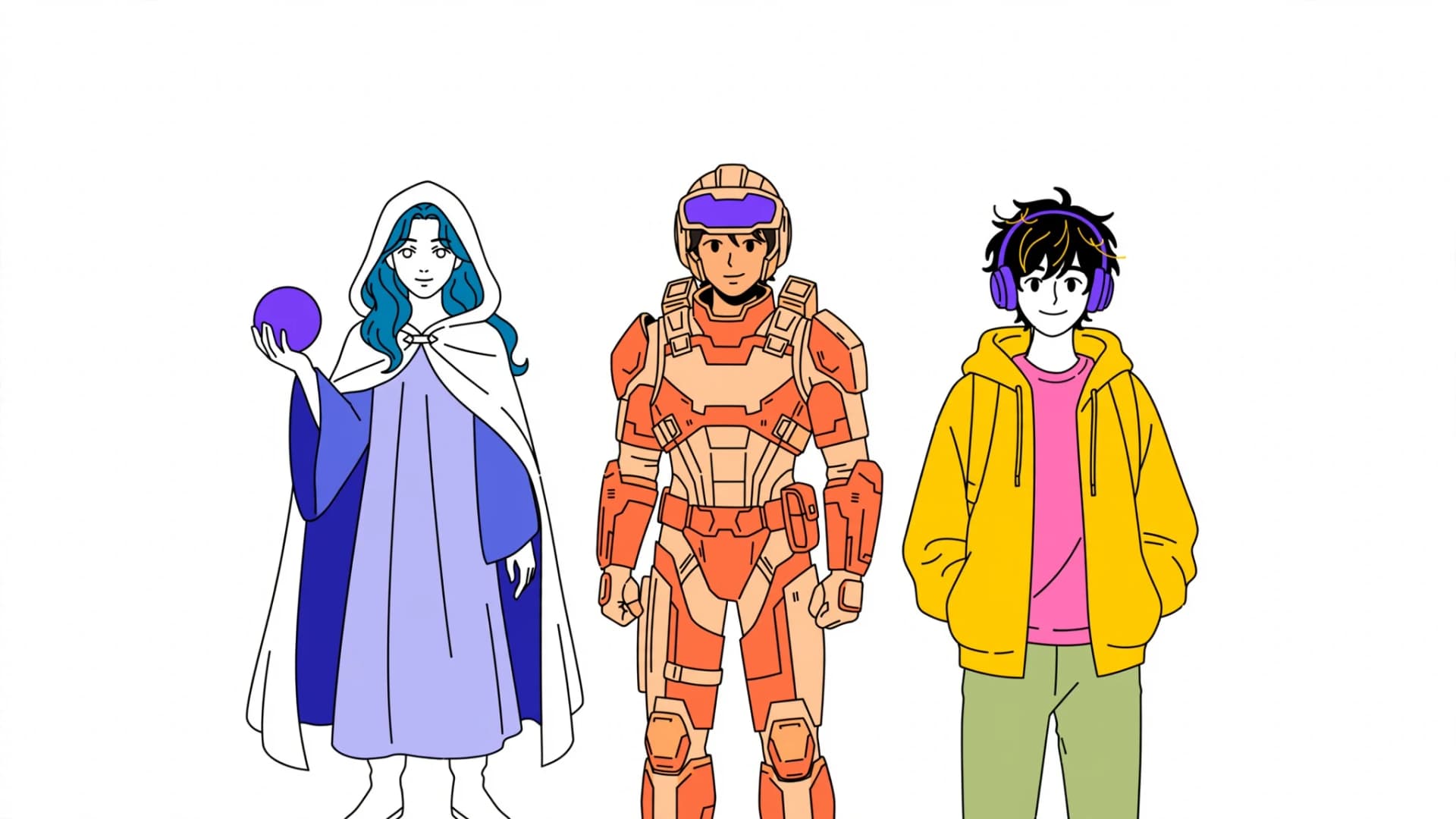
- Outline your story arc and define your main cast. If you need character inspiration, explore creative OC ideas or plan your character concepts using an original character maker to keep their traits consistent before starting your layout.
- Write a detailed script that describes each panel and its accompanying dialogue.
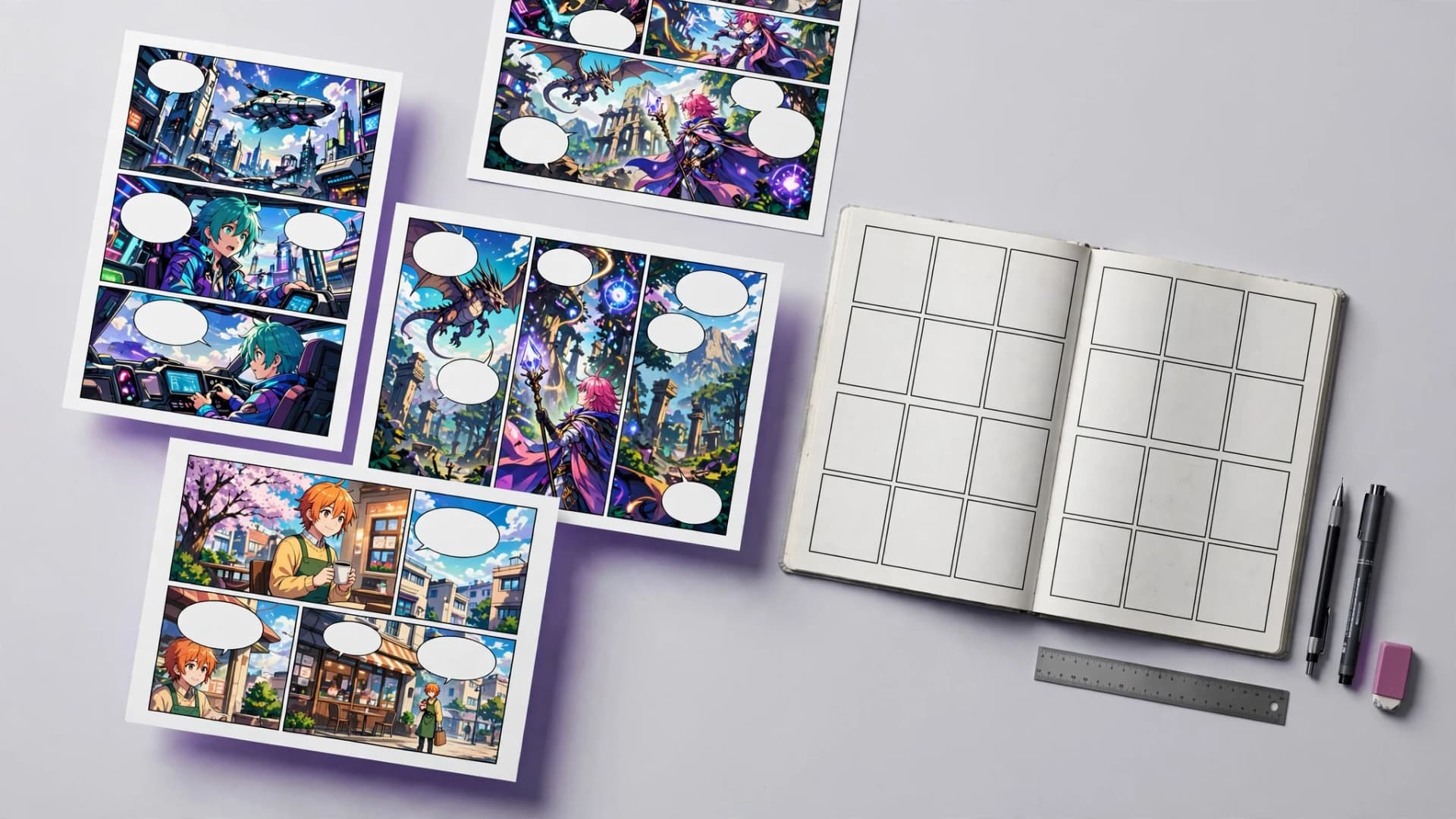
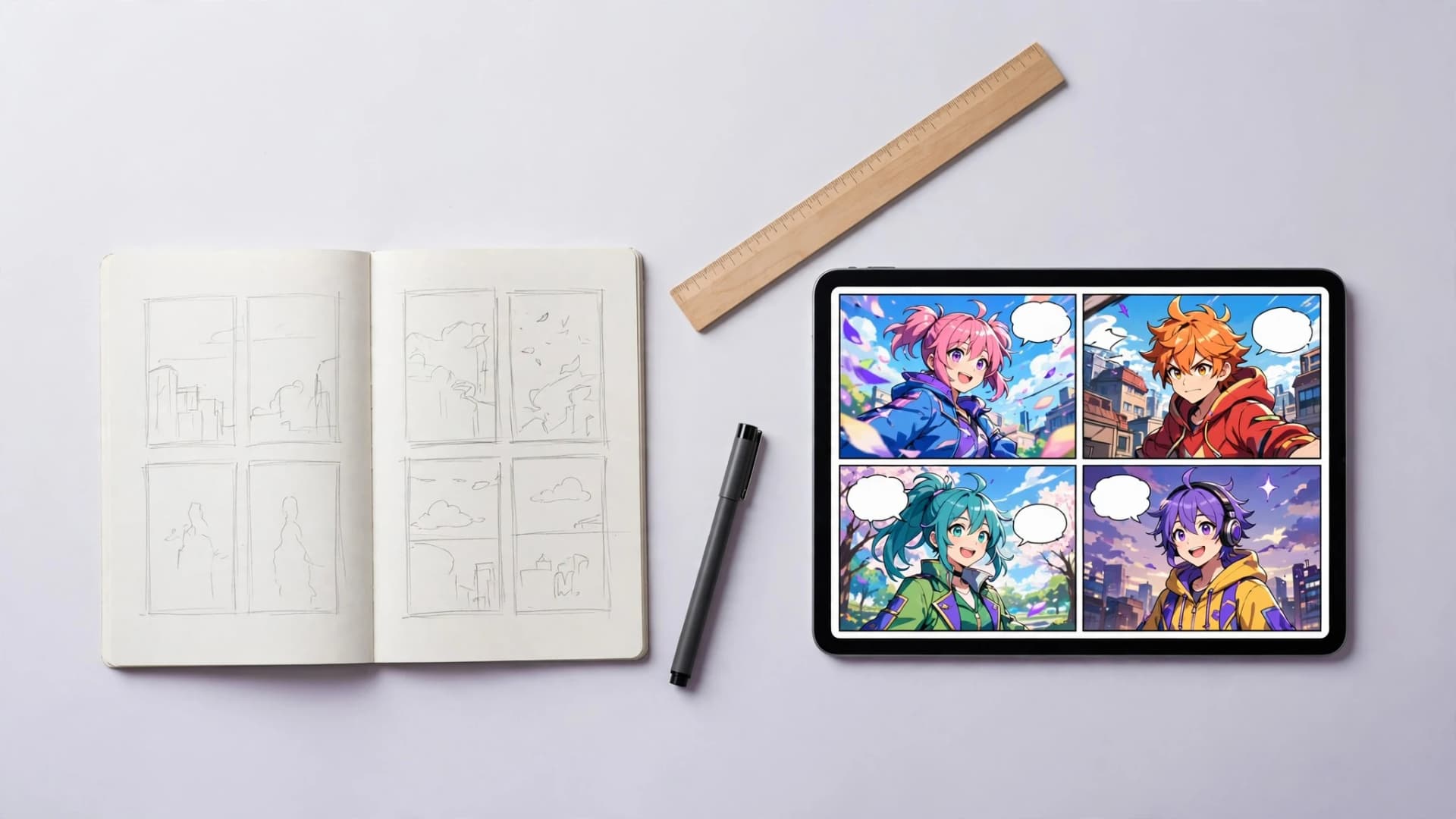
- Sketch rough thumbnail layouts, known as name in Japanese production, to establish page composition and reading rhythm.
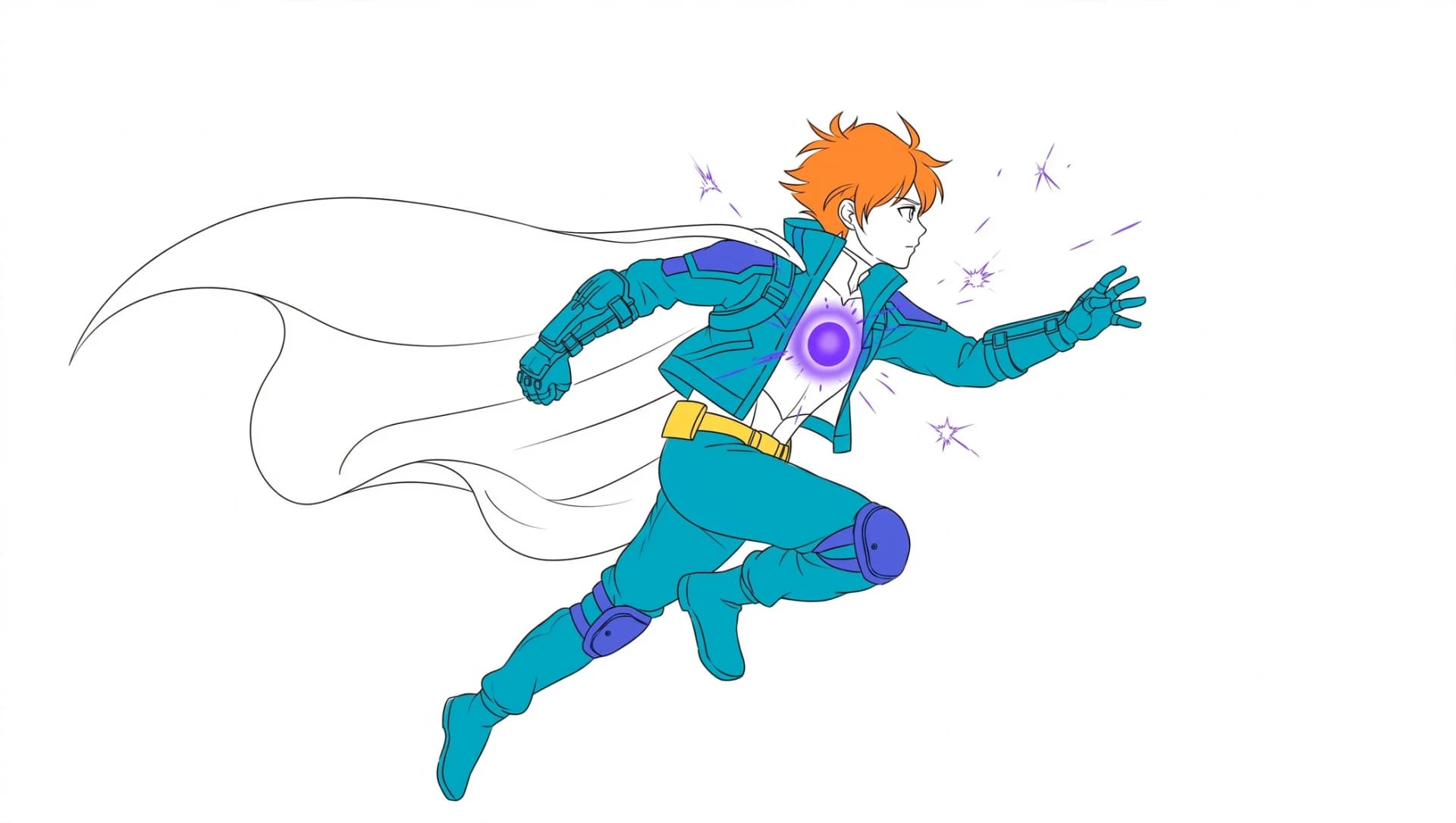
- Draw finished line art, ink the outlines, and add screentones or shading for depth.
- Clean up lettering and export your pages for digital reading or print distribution.
Following these orderly steps ensures you produce pages with consistent quality from start to finish.
How to design a manga layout that guides the reader
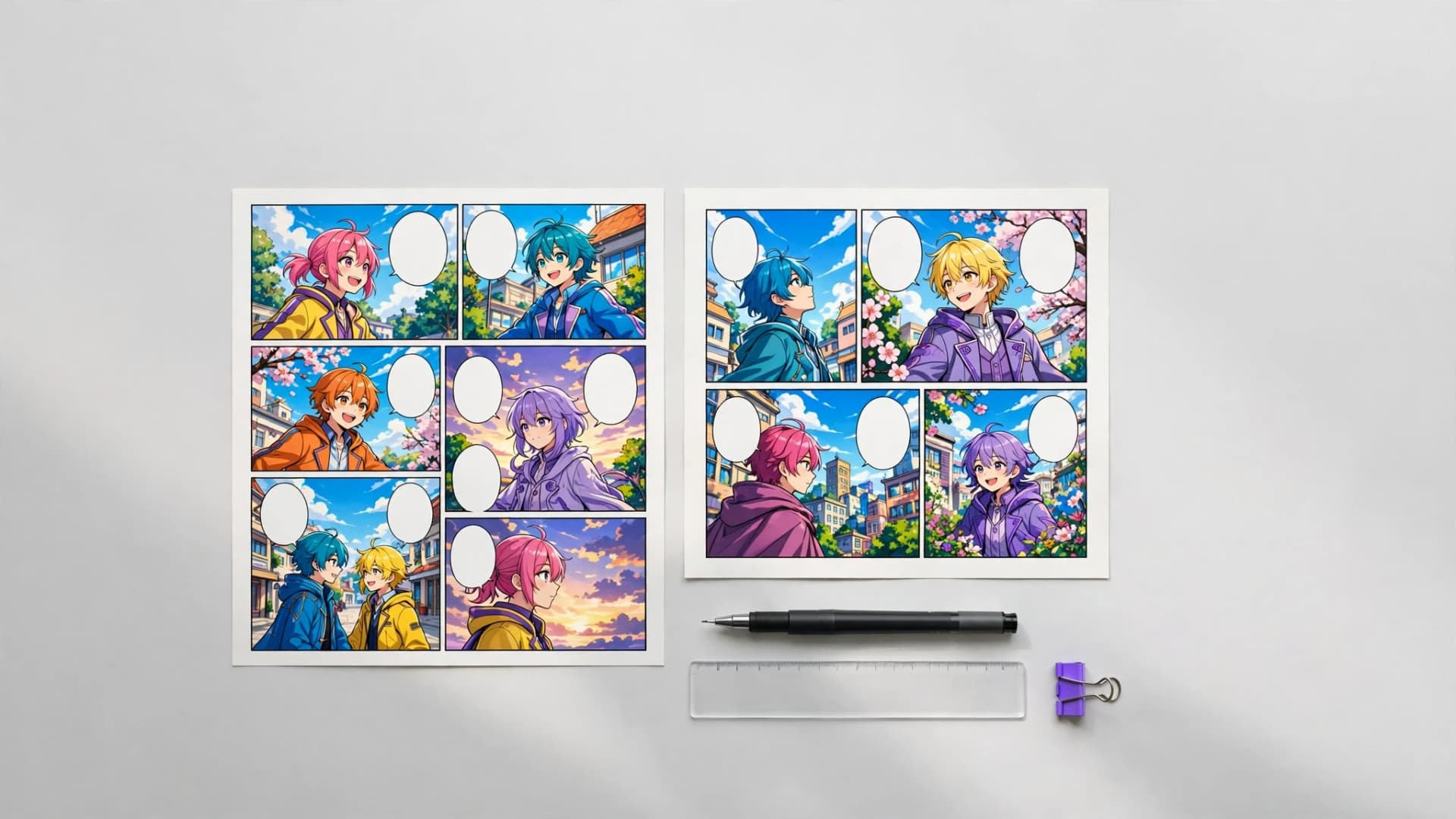
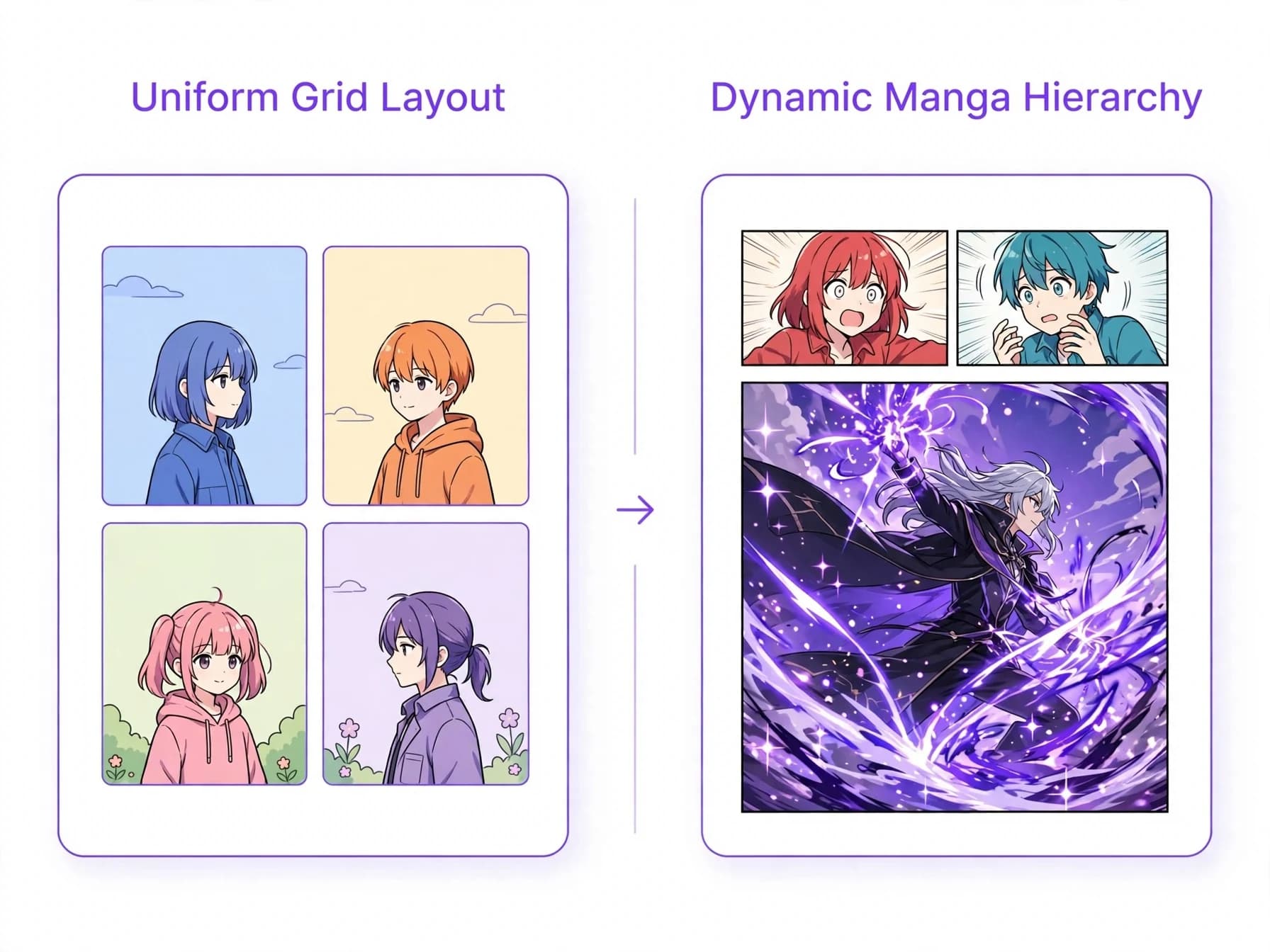
Effective page composition is the secret behind why professional manga feels effortless to read. Japanese manga reads from right to left and top to bottom, so your panel grid must lead the eye along that natural path. Confusing layouts break immersion, causing readers to scan dialogue in the wrong sequence.
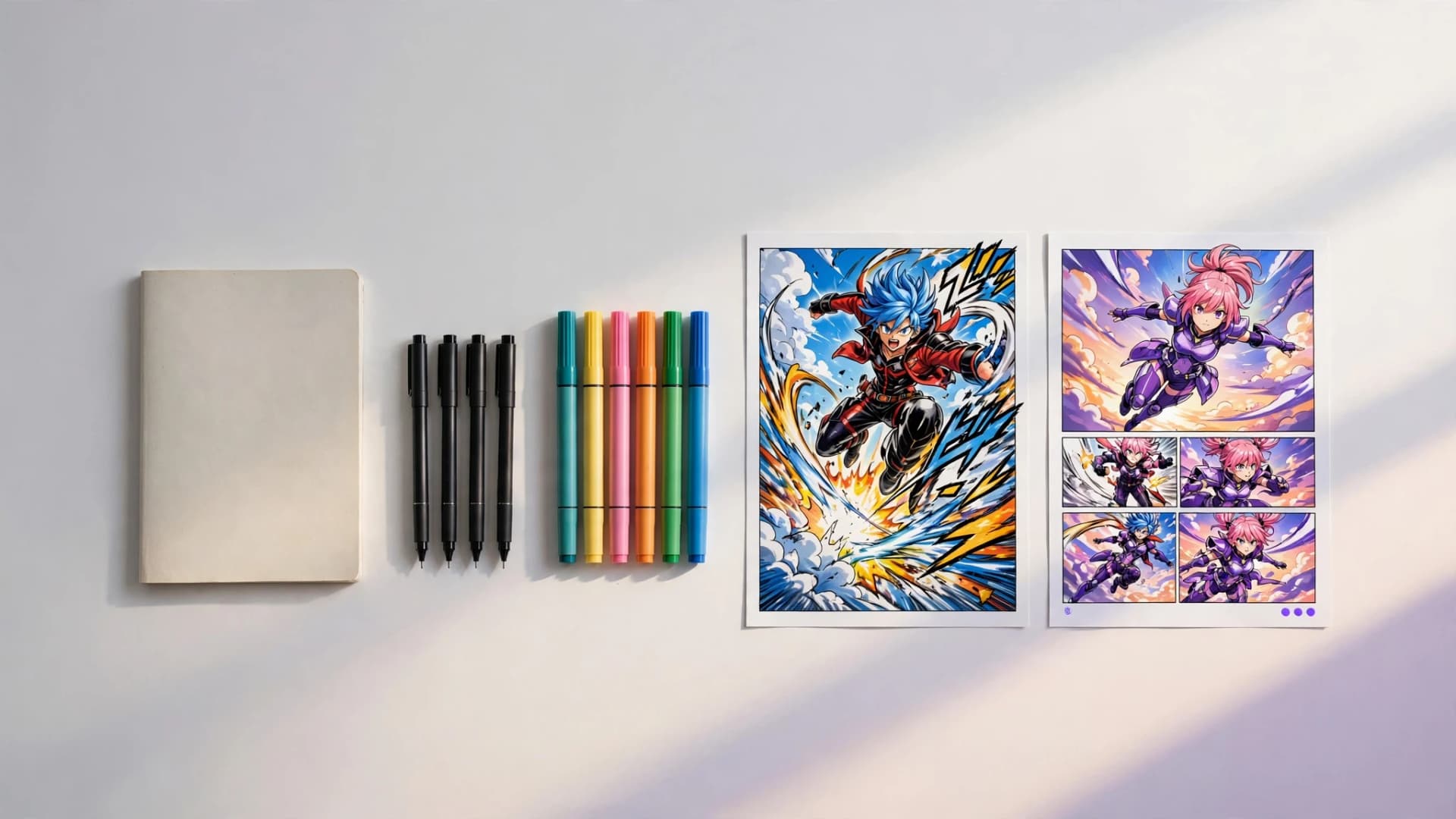
Use visual hierarchy to give high-impact moments the space they deserve. A minor reaction shot works best in a compact frame, while a major plot twist or climactic attack calls for a wide panel or a full splash page. Varying panel heights and widths across a page creates a dynamic rhythm that prevents visual fatigue.
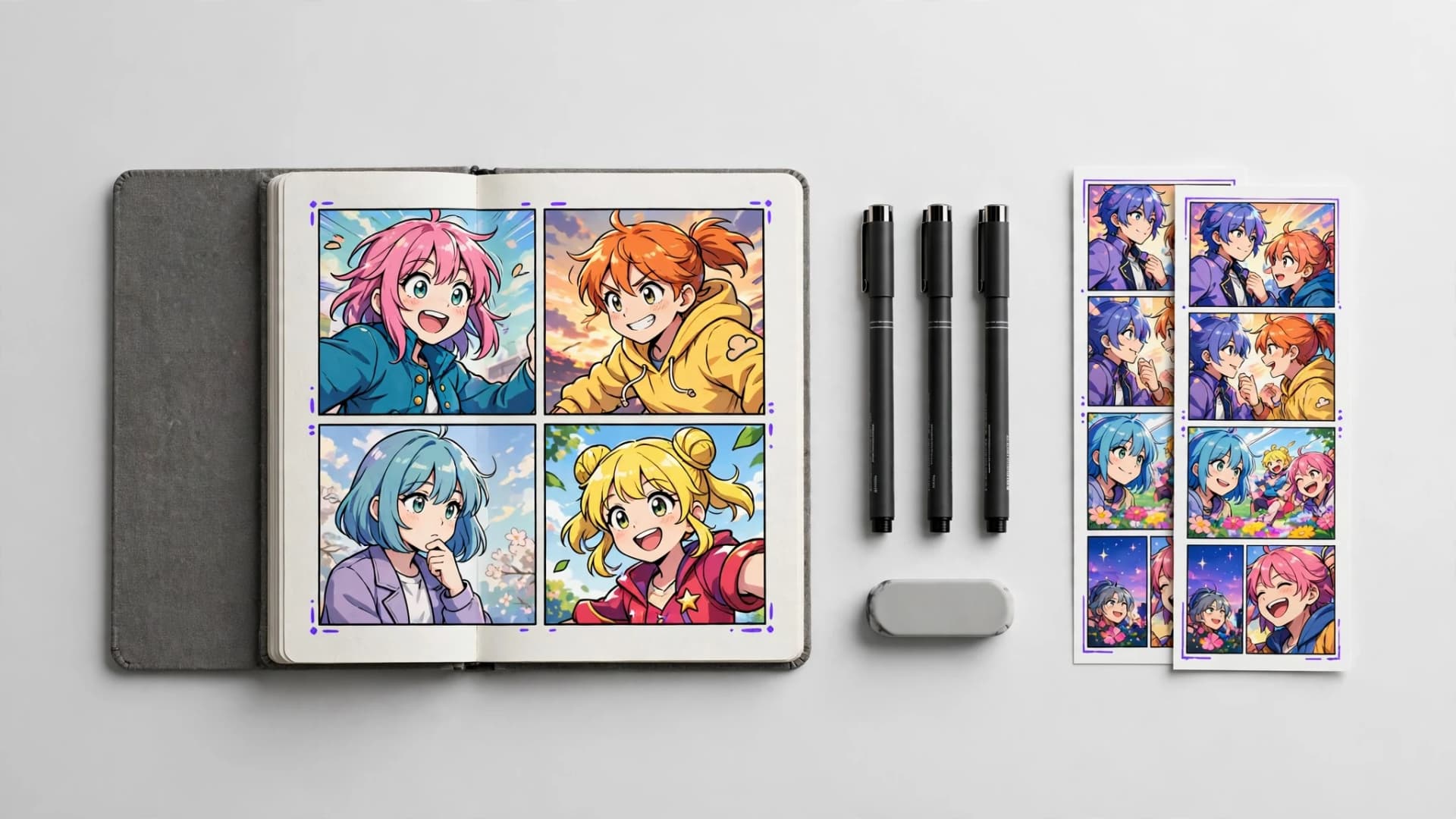
If manual layout design feels intimidating, modern software tools can help you test configurations. Using an automated manga page generator allows you to experiment with different page and panel counts before committing to a final page structure. Clear gutters and deliberate focal points ensure your story remains engaging on every page.
How to make a manga when you cannot draw
You do not need years of formal art training to create manga from your original story ideas. Storytelling, memorable character personalities, and strong dramatic pacing are the true foundations of any beloved series. Many great creators collaborate with illustrators or rely on digital assistance to bring their written narratives to life.
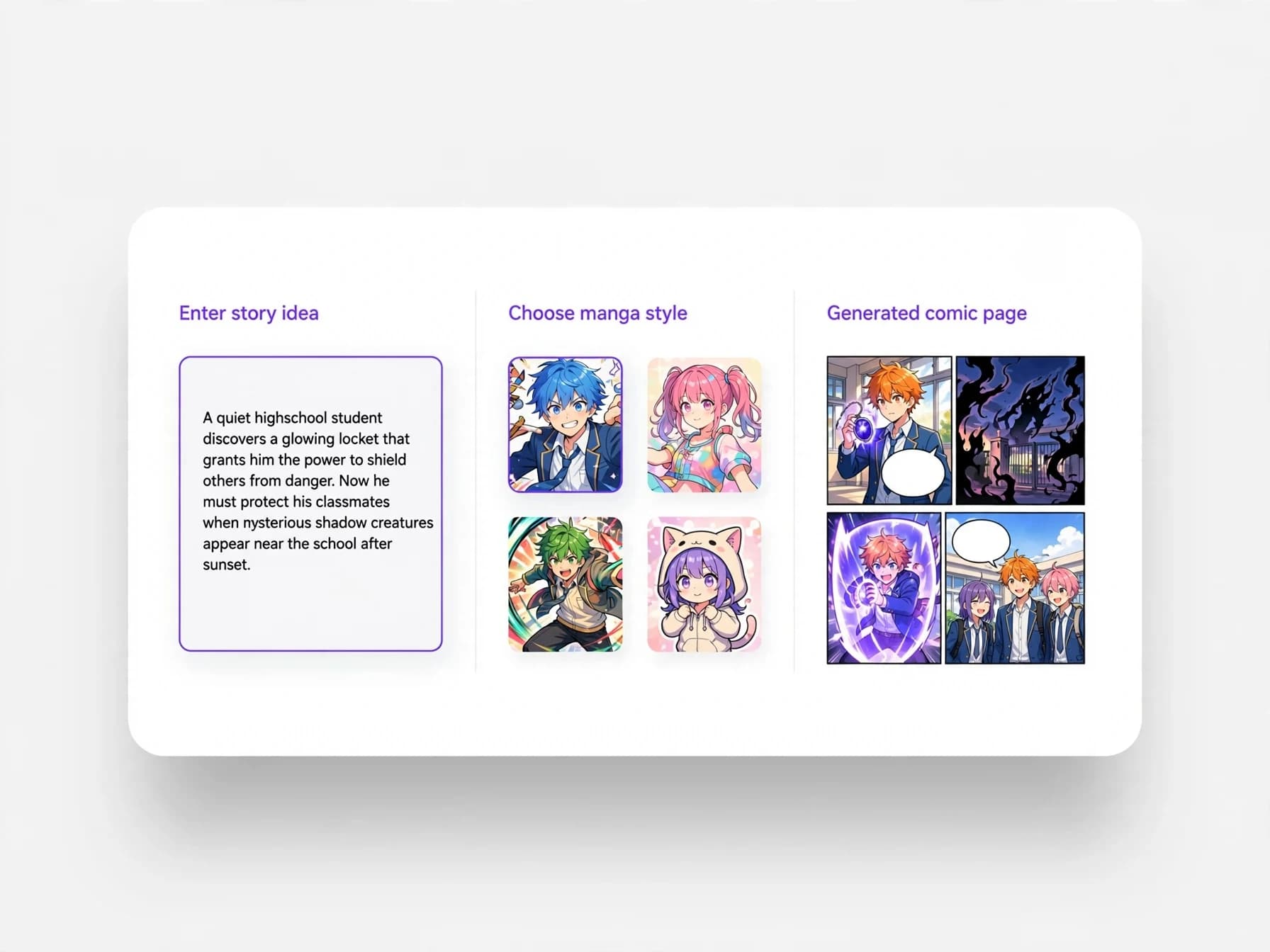
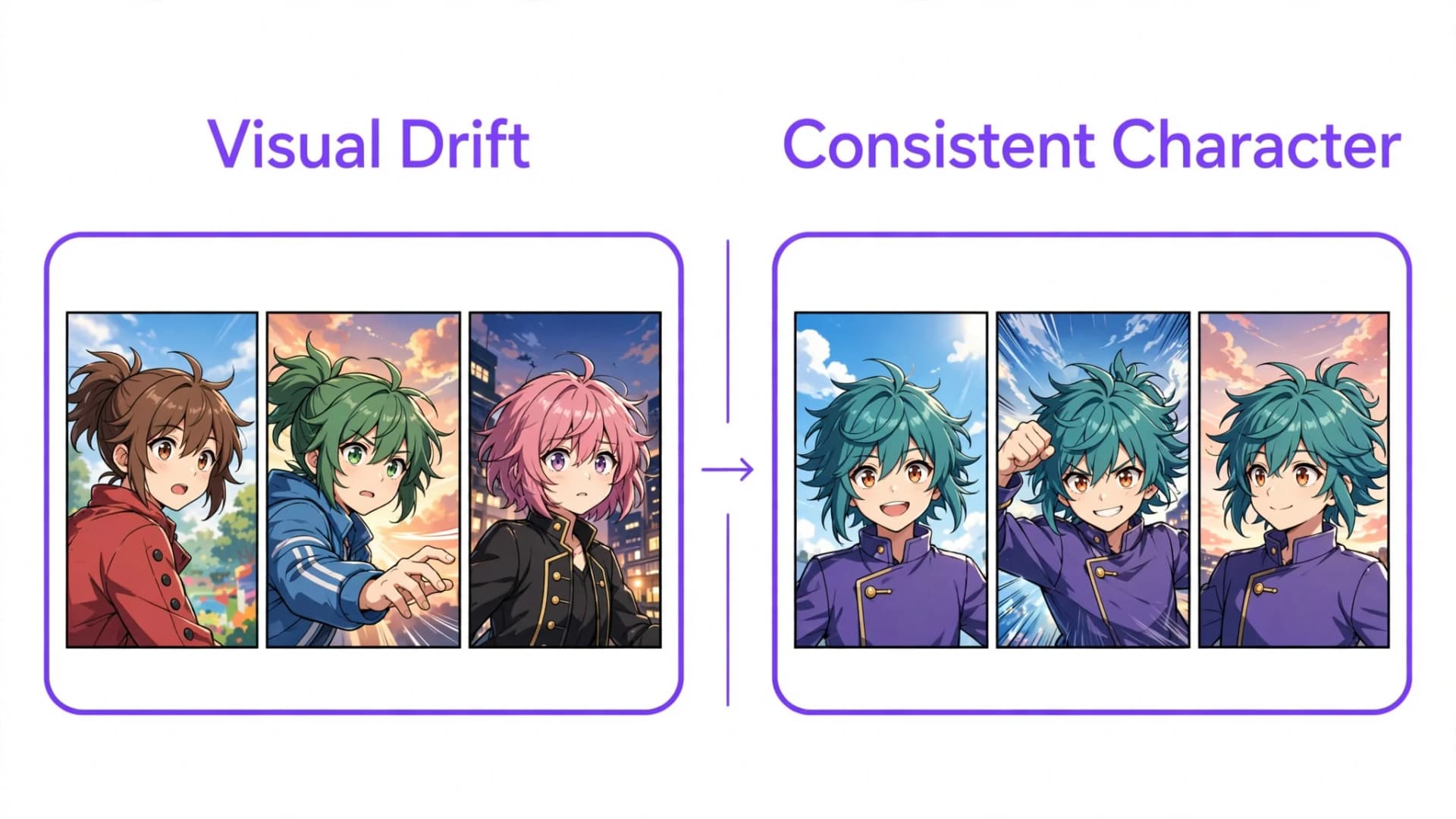
Modern creators also have access to creative tools that turn text descriptions into multi-panel comic pages without manual illustration. Whether you read our guide on how to make a comic, test an online manga maker, or try a specialized text to manga generator, Yume Comic lets you write your story prompt, choose from roughly thirty manga and webtoon styles, and save up to four characters to maintain visual consistency across panels. You can start exploring pages on the web without installing complex illustration suites.
Whether you sketch your own drafts or use creative software to render finished panels, the most important step in making your own manga is simply getting your story out of your head. Starting small and publishing a single short scene makes the entire craft feel possible. Pick your premise, map out your first page, and bring your world to life.