
What is a chibi base and how do proportions work?
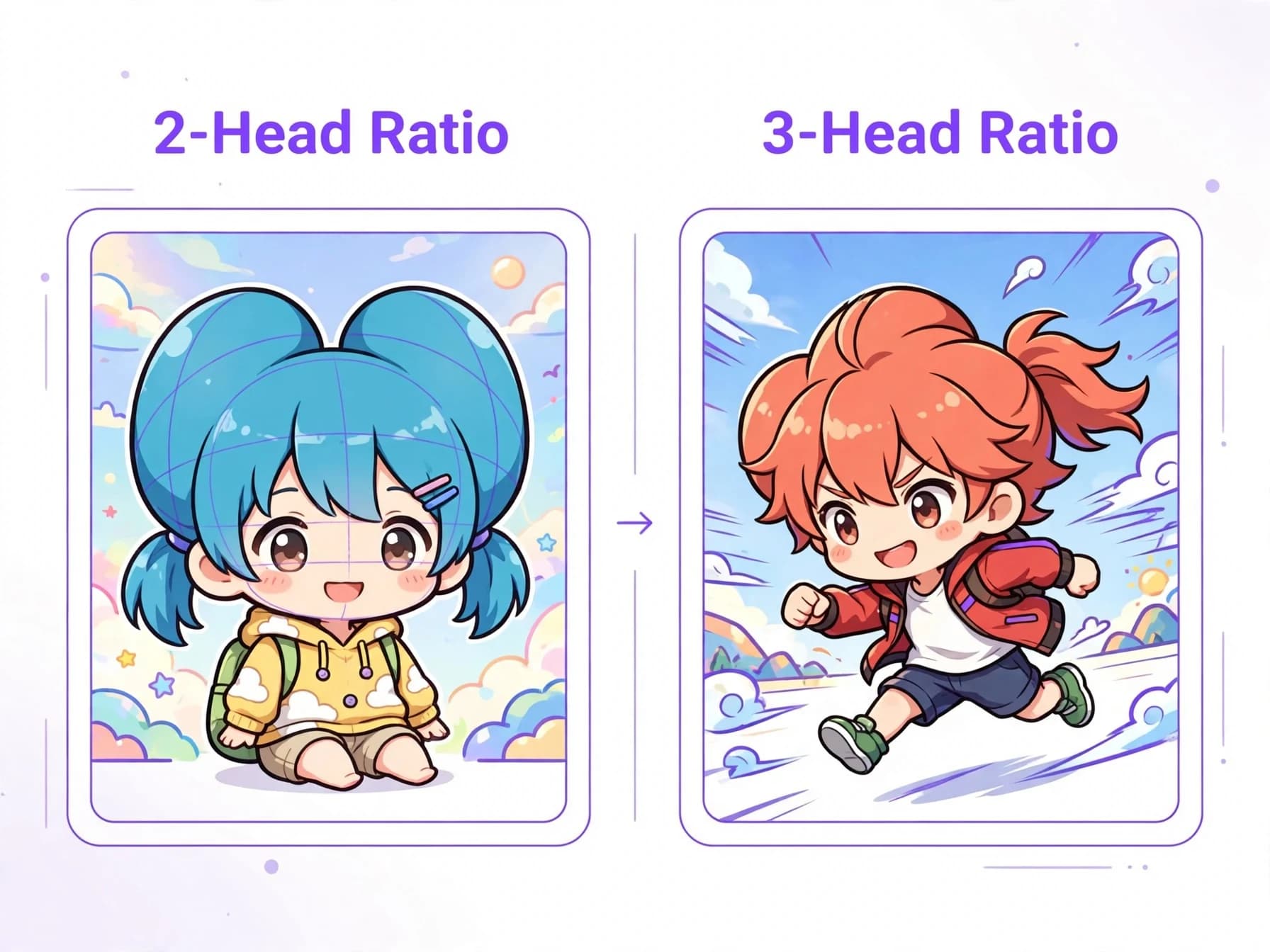
A chibi base serves as a foundational lineart mannequin that maps out tiny anatomical proportions before you draw specific costumes, hair, or expressions. Most Japanese chibi styles compress the human figure into two or three heads tall, meaning the skull takes up between a third and half of the total height. Beginning artists rely on a chibi drawing base to skip repetitive sketching and jump straight into character design.
Working with a two-head proportion creates maximum cuteness because the head and torso share equal visual weight. The torso simplifies into a soft bean or pear shape, while the limbs taper down to rounded stubs without detailed knuckles or knees. If you prefer slightly more athletic motion, a three-head chibi body base adds enough leg length for running, jumping, and dynamic martial arts stances.
Keep the facial guidelines low on the skull to maintain youthful charm. Placing the eye line across the lower third of the head leaves plenty of forehead space for large anime hair silhouettes. When you build original figures using an OC maker, these consistent head-to-body ratios keep your cast recognizable across different outfits.
Classic standing and active chibi poses to practice
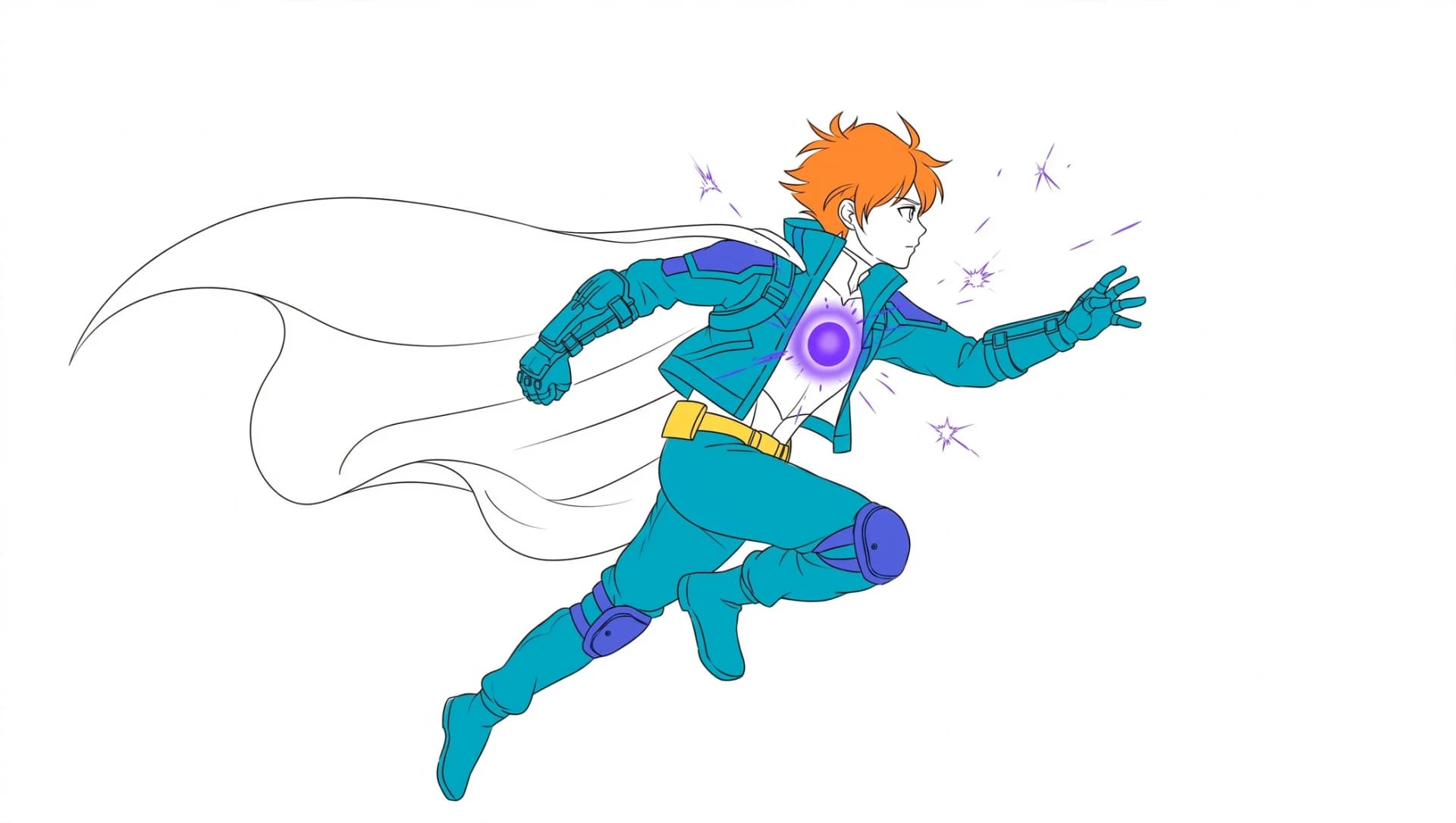
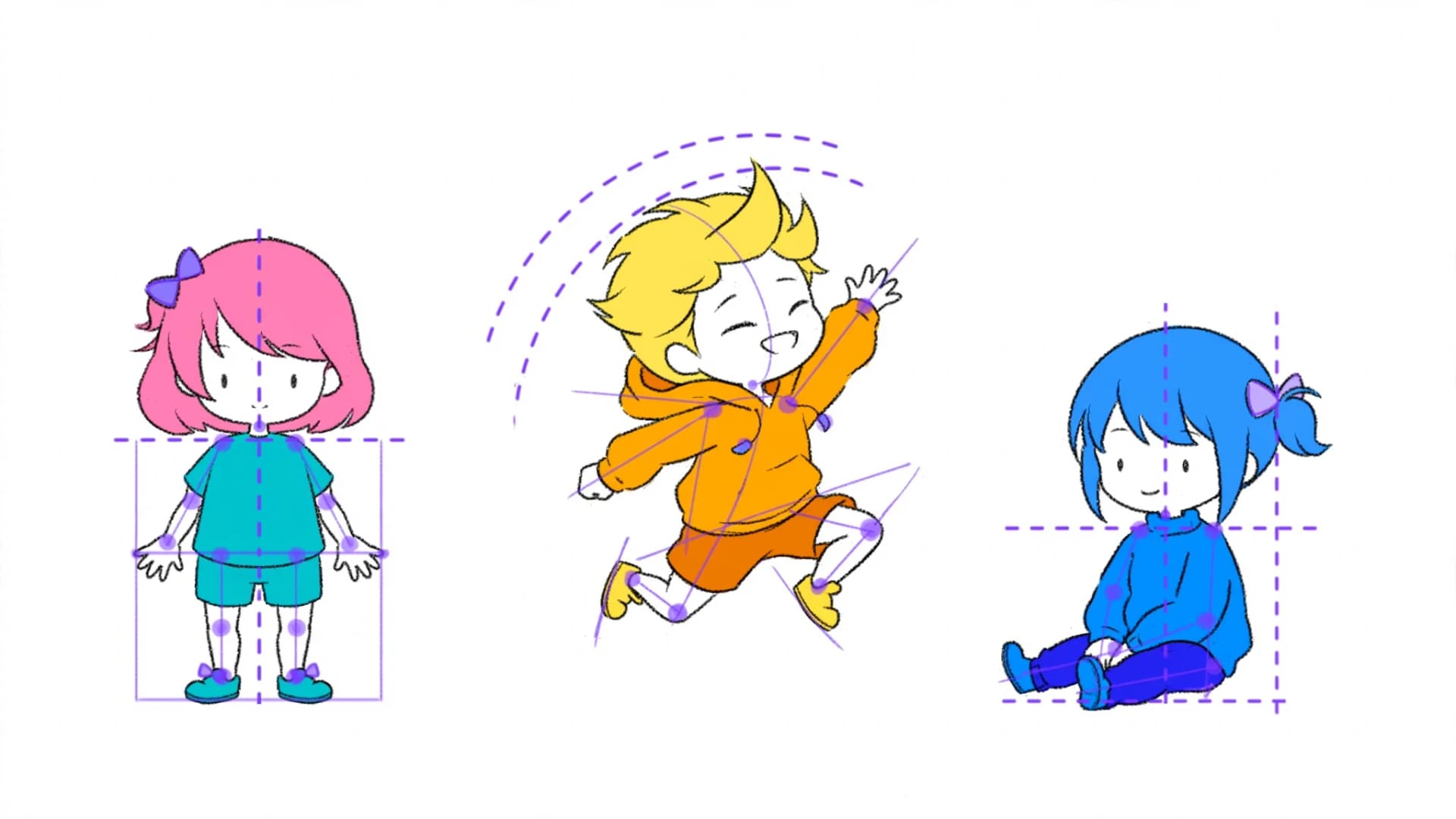
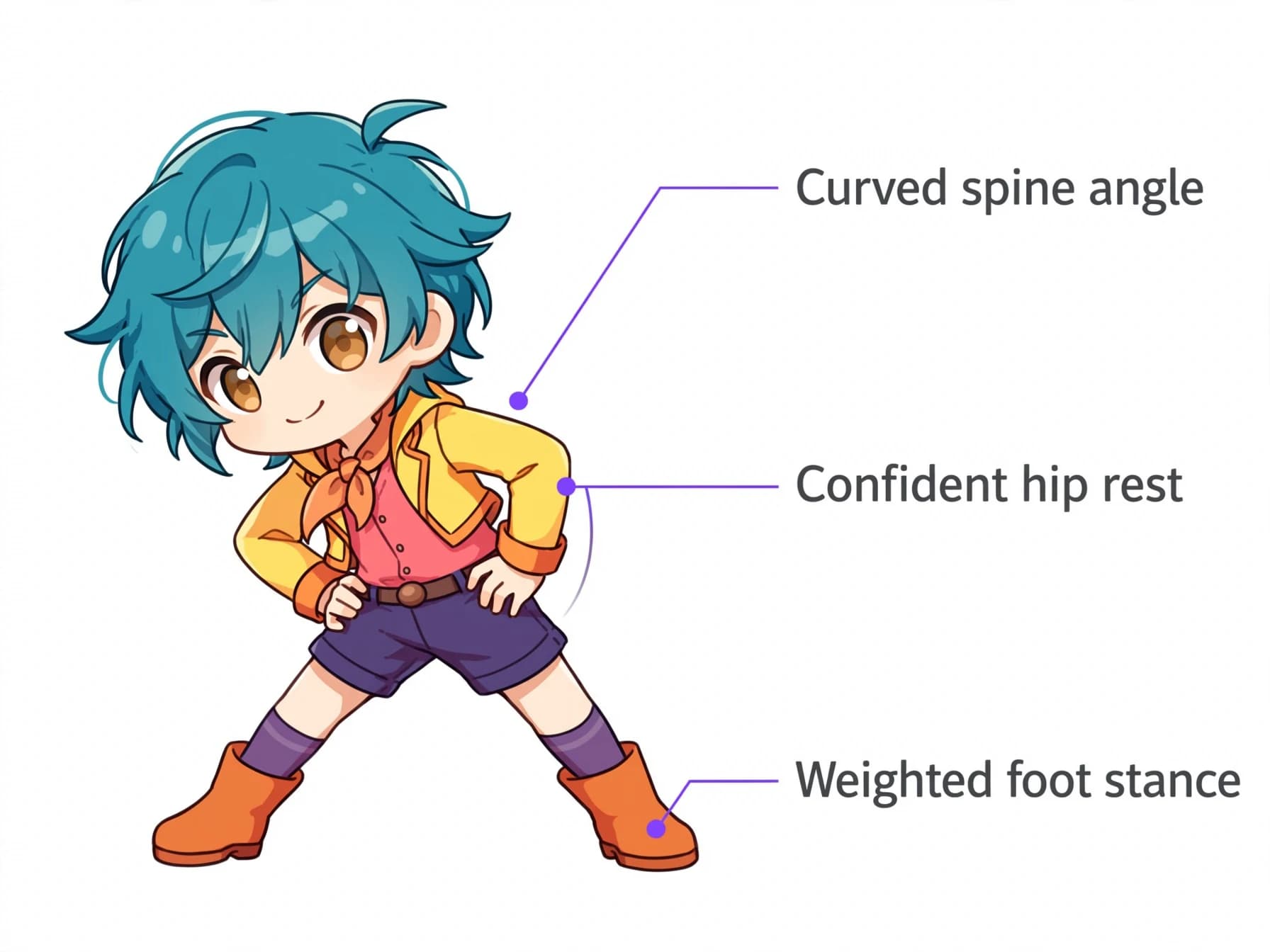
Static standing can look stiff on tiny figures, so energetic chibi poses require curved spines and distinct weight distribution. Pose 1 is the cheerful hero stance, where one foot steps forward with hands resting on hips. Pose 2 uses a shy pigeon-toed posture with hands clasped behind the back. Pose 3 features an energetic running stride with arms bent like a sprinter, perfect for late-for-school comic openings.
Vertical motion adds excitement to miniature character art. Pose 4 captures a mid-air star jump with limbs spread outward in an X-shape. Pose 5 presents a determined battle stance with knees bent low and tiny fists raised. Pose 6 shows a floating magic hover, with toes pointed downward and wrists crossed over the chest.
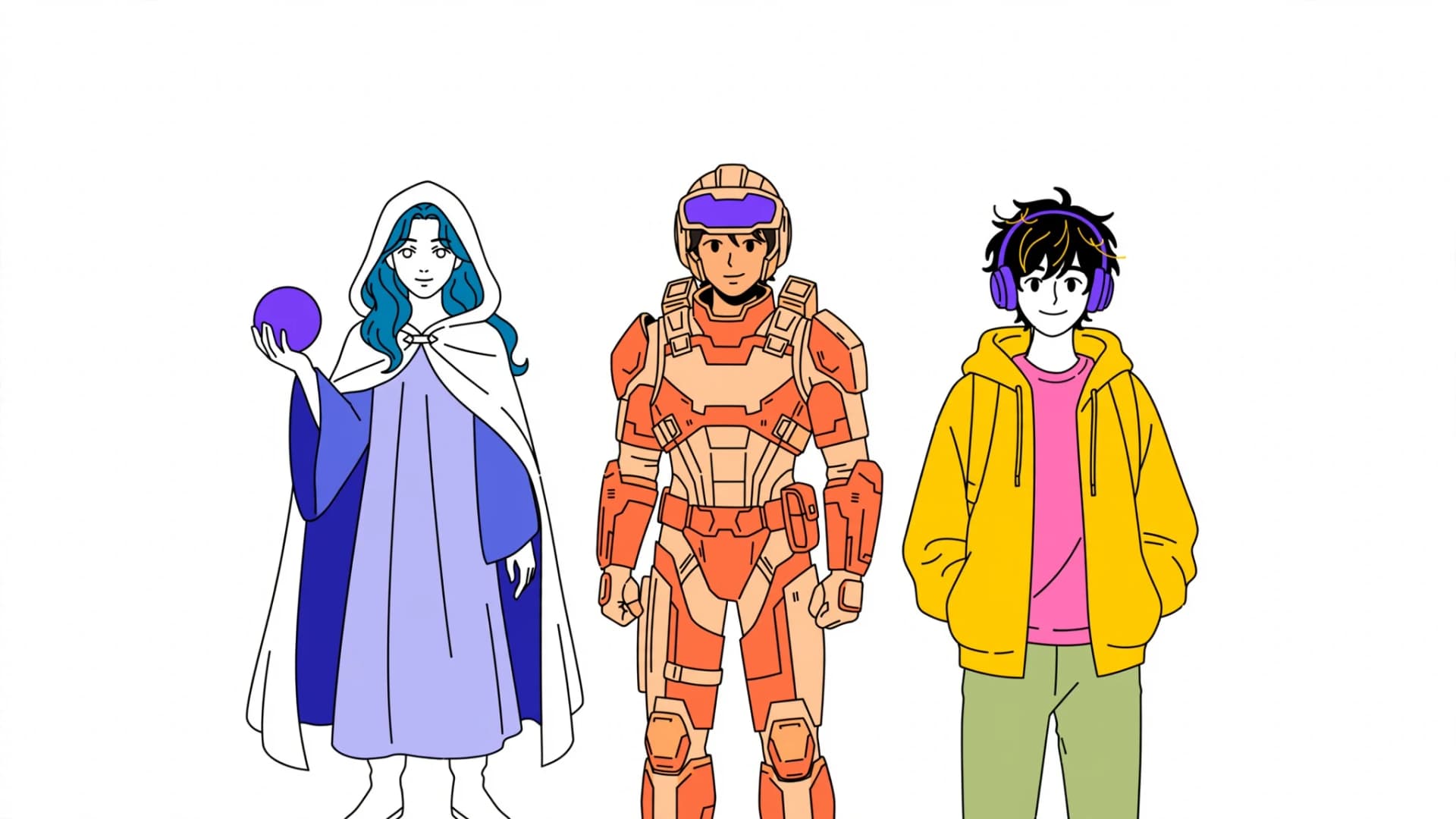
Balance out the active group with everyday gestures. Pose 7 depicts a casual pocket-slouch leaning against an invisible wall. Pose 8 brings in an enthusiastic two-handed wave tilted slightly toward the viewer. Practicing these basic stances helps you test how heavy coats, armor, or flowing dresses drape over small limbs, especially when sketching fresh OC ideas for your roster.
Relaxed sitting and floating setups for a chibi base drawing
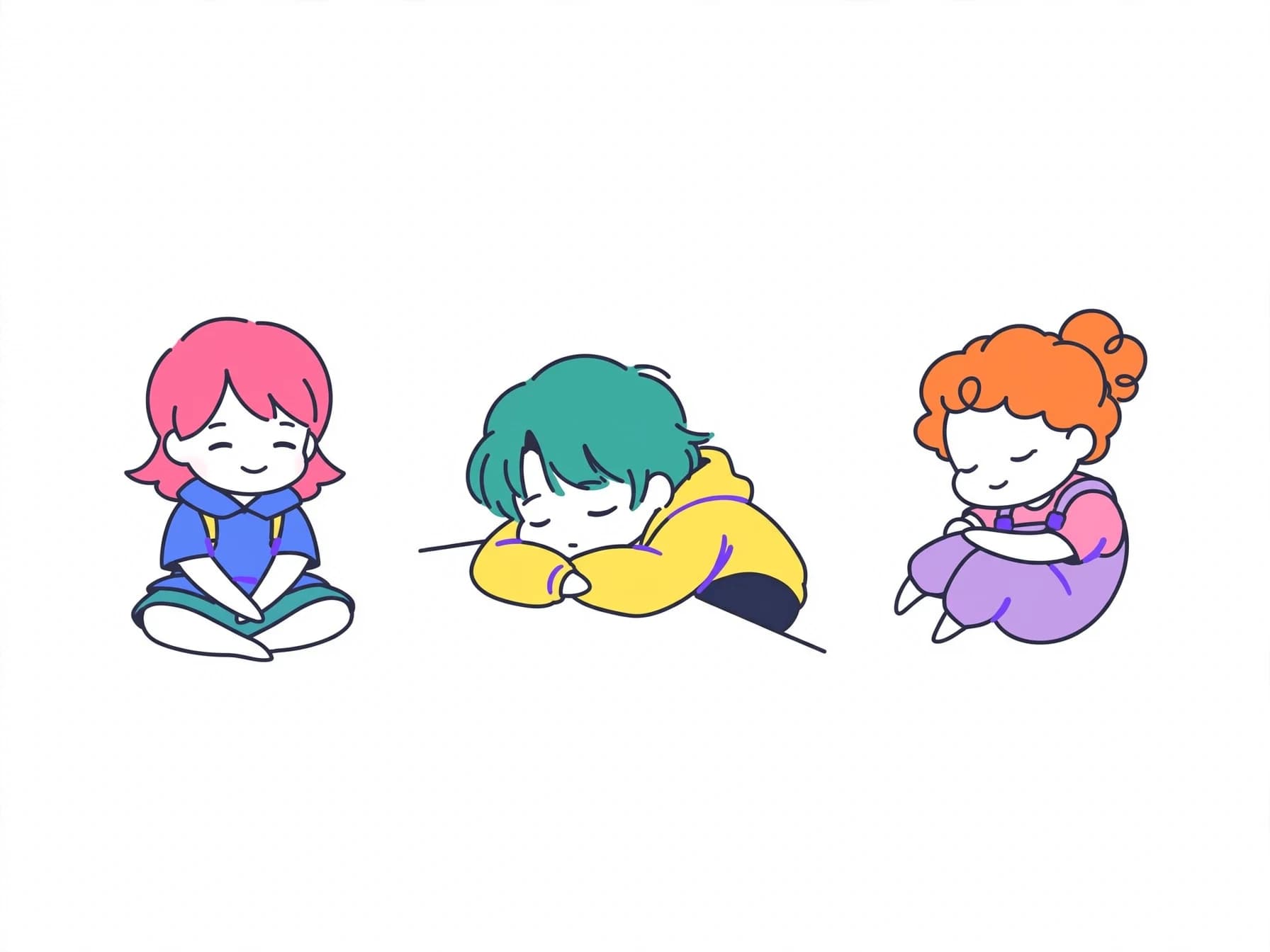
Grounding a miniature character requires soft squishing where the body meets a surface. When you construct a chibi base drawing for a seated scene, bend the stubby legs upward toward the chest to keep the silhouette compact. Pose 9 is the classic floor tuck, sitting cross-legged with hands resting on knees. Pose 10 gives you the side-sit, leaning one arm on the ground while legs sweep sideways.
Low-energy positions highlight the natural roundness of the torso. Pose 11 features a cozy desk slump, laying the head flat on folded forearms. Pose 12 shows a complete nap pose, curled sideways in a fetal ball like a sleeping kitten. Pose 13 offers a relaxed chair dangle, where short legs swing freely above the floor.
Airborne rests bring whimsical charm to fantasy stories. Pose 14 shows a character floating back-downward as if drifting through water. Pose 15 curls into a dreamy moon-perch with knees pulled to chin. Pose 16 hangs upside-down by the shins, arms swaying freely. These relaxed arrangements work well when designing cute digital stickers, casual story moments, or experimenting with an AI cartoon generator for playful graphic outlines.
Expressive comedy and dramatic character moods
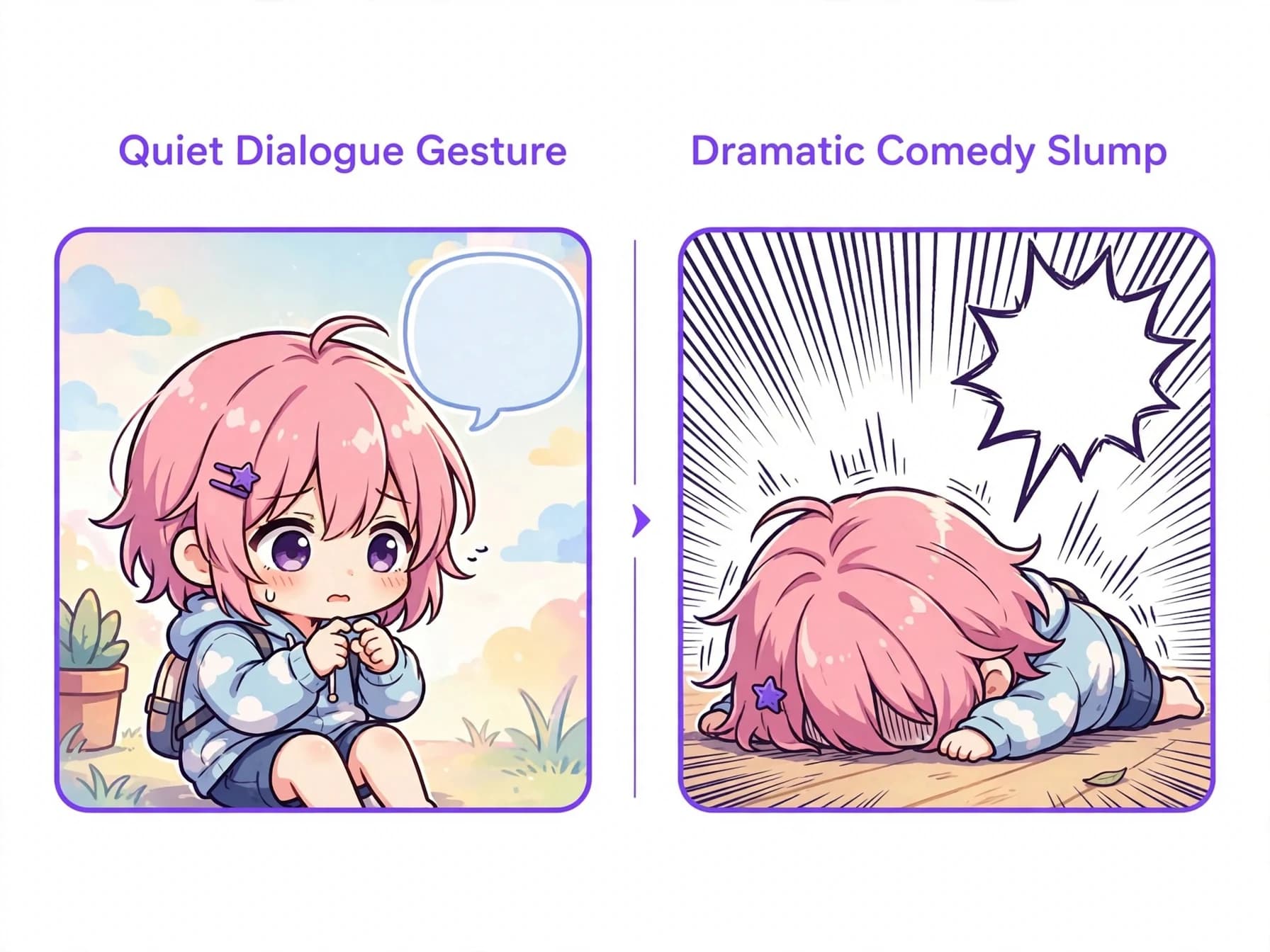
Comedy in manga relies on extreme body language that amplifies the face. Pose 17 is the dramatic floor slump, kneeling with hands flat on the floor in utter despair. Pose 18 delivers the triumphant victory pump, standing on tiptoes with one arm punching straight toward the sky. Pose 19 captures the startled leap, flying straight upward with hair standing on end.
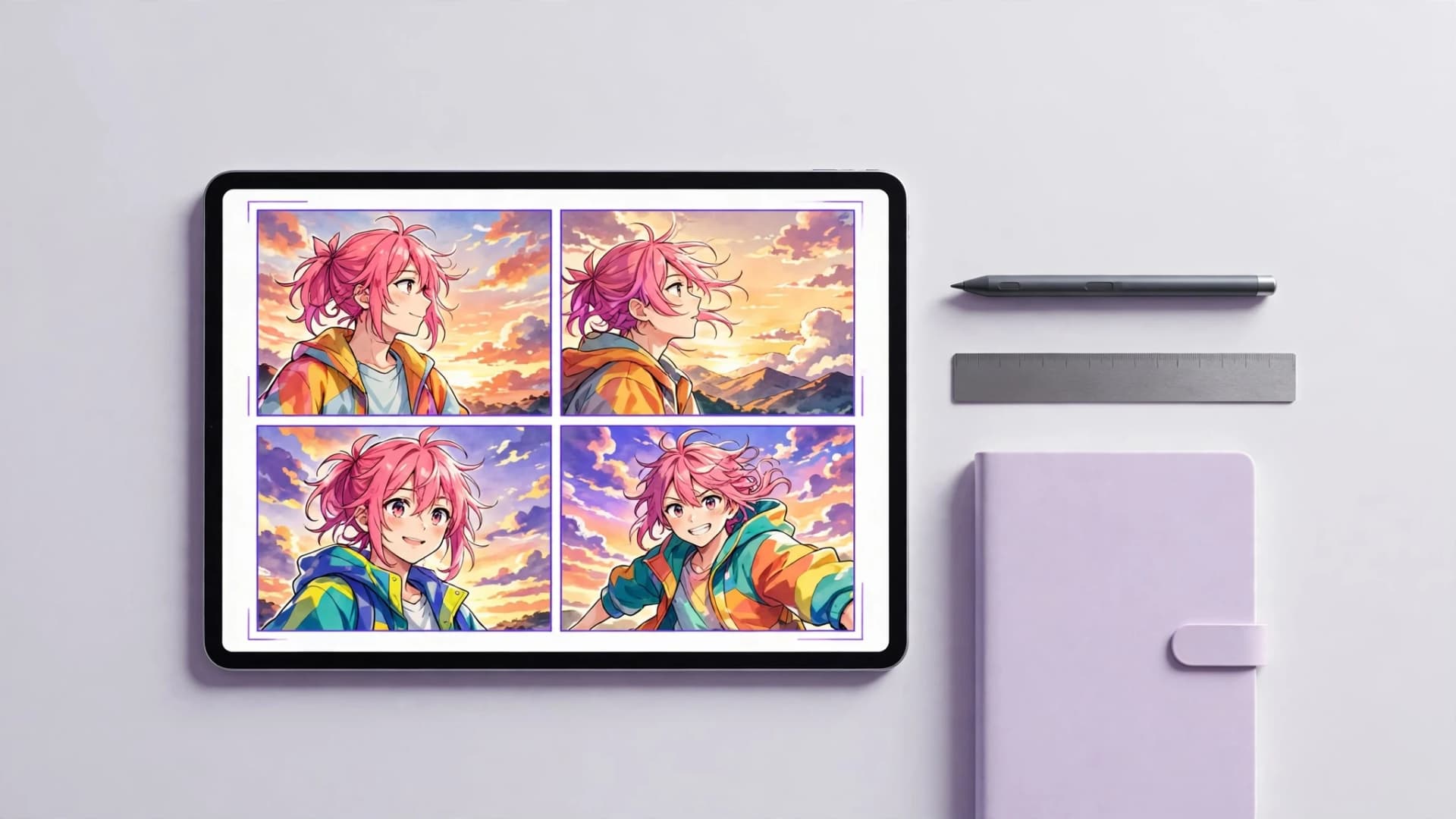
Subtle emotional gestures bring charm to quiet dialogue panels. Pose 20 shows a nervous finger-twiddle, looking downward with shoulders hunched inward. Pose 21 displays the sassy hip-cock, leaning hard to one side with an index finger resting on the cheek. Pose 22 presents the double-peace greeting, hands flanking the eyes with a head tilt.
Finish dramatic beats with physical exaggeration. Pose 23 depicts the frantic panic run, flailing both arms in wide pinwheel circles. Pose 24 shows the suspicious spy tiptoe, crouched low with hands tucked into sleeves. Using a pre-built chibi template lets you test these punchy comic beats before committing to detailed line work, or you can pair them with an AI anime character generator to preview colorful hair and costume shapes.
Duo interactions and cute chibi base partner poses
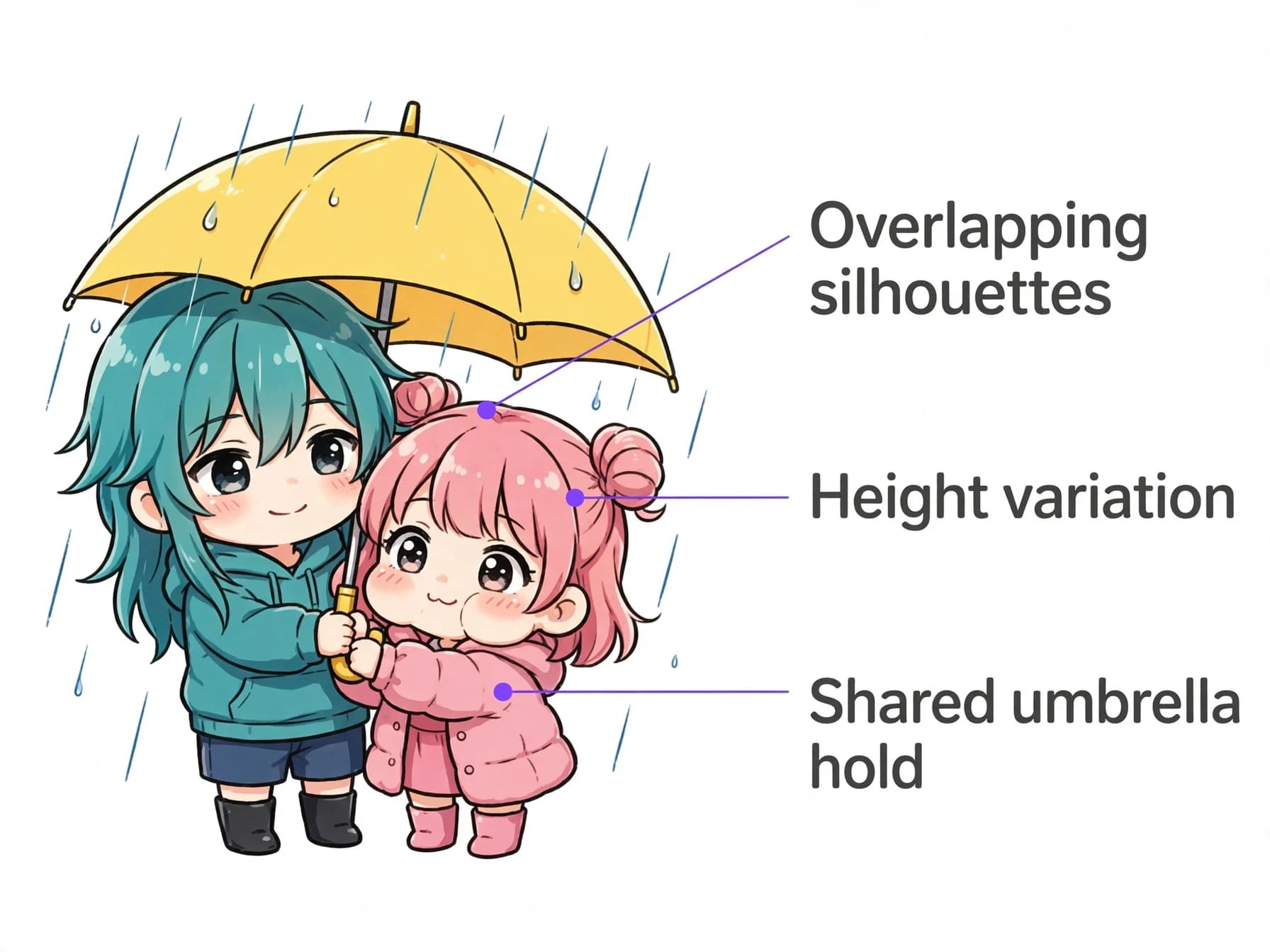
Drawing multiple characters together requires overlapping silhouettes so the figures read as a unified group. Pose 25 is the playful piggyback ride, where the top character rests their chin on the partner's head. Pose 26 presents the shared umbrella huddle, squeezing two bodies close under a single prop. Pose 27 shows a back-to-back combat pair with weapons drawn outward in opposite directions.
Gentle interaction poses build heartwarming character relationships. Pose 28 captures the gentle cheek squish, where one figure pinches the puffed cheeks of another. Pose 29 features a sweet hand-pull, leading a hesitant friend forward across the canvas. Pose 30 sets up a chaotic tug-of-war, both characters leaning backward while pulling on a scarf or ribbon.
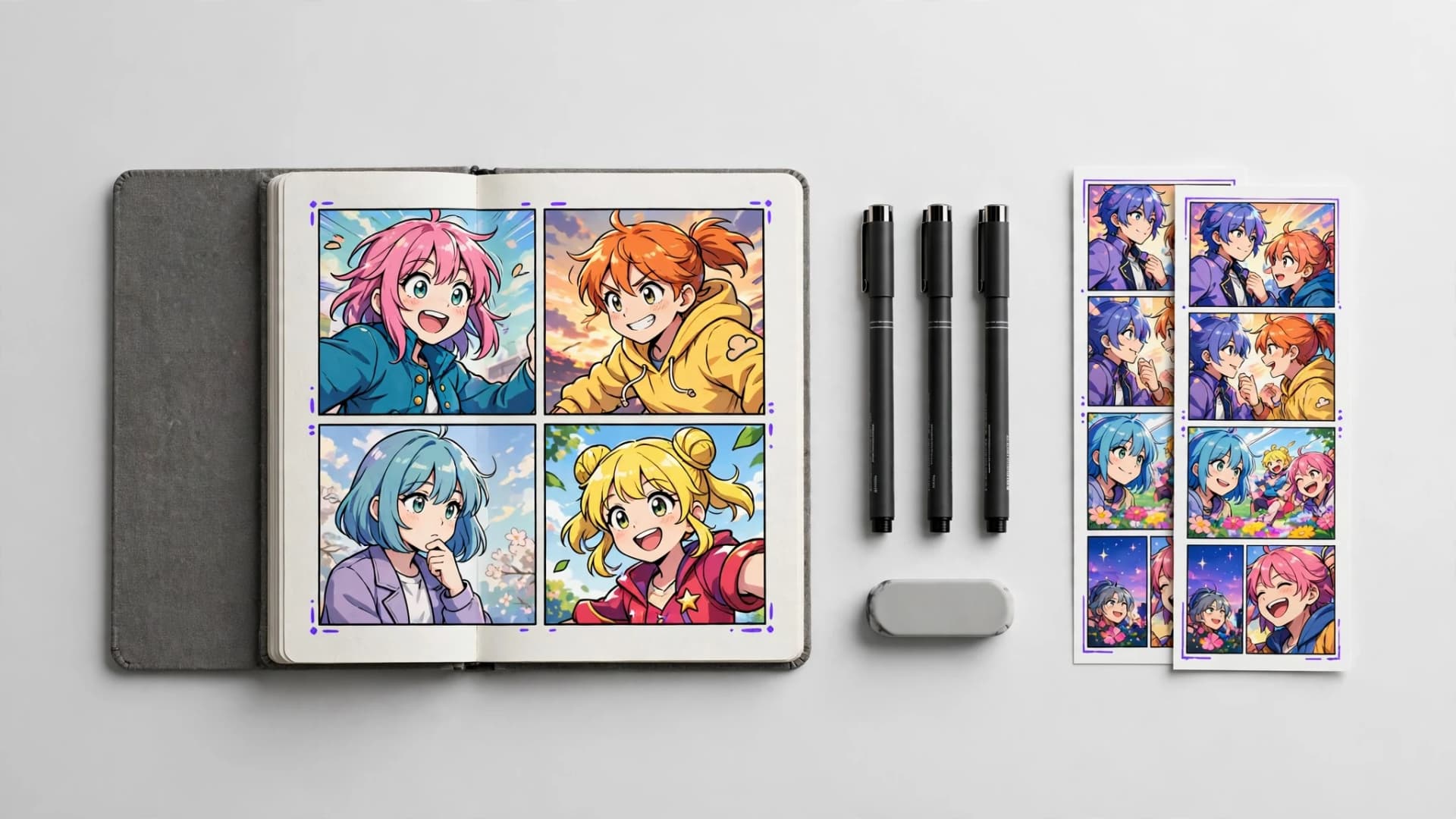
Multi-figure compositions benefit from height variation between partners. Making one figure slightly rounder or shorter creates visual rhythm and tells a clearer story at a glance. If you plan to test dialogue across multiple panels, pairing these poses with an AI chibi maker helps you see how your characters play off each other on the page.
A clear guide on how to draw a chibi character
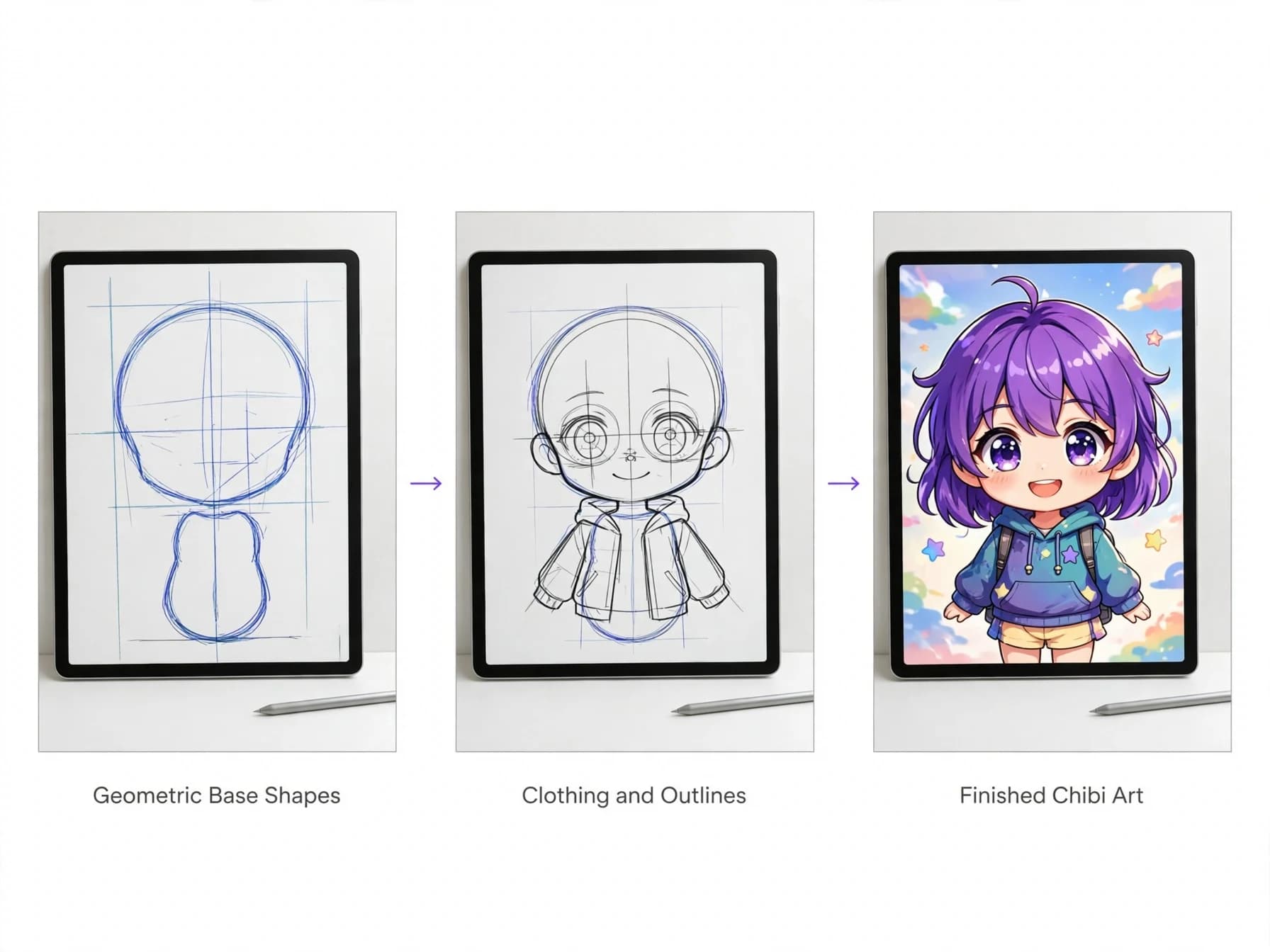
Learning how to draw a chibi character starts with simplifying complex anatomy into basic geometric volumes. Step 1: Draw a large circle for the skull and add a tapered jawline with soft cheeks, keeping the horizontal eye guide across the lower third of the face. Step 2: Sketch a small bean-shaped torso directly beneath the head, leaving little to no visible neck to maintain classic cute proportions.
Step 3: Attach limbs as simple curved cylinders without sharp joint angles, keeping the
Step 5: Finish the drawing by detailing expressive oversized eyes and broad hair chunks