
November 19, 2026
8 min read
Guides

How to Make a Comic Strip: A Step-by-Step Guide for Beginners

Learning how to make a comic strip starts with a focused premise, a few thumbnail panel layouts and short, clear dialogue for your characters. This step-by-step workflow helps you turn an everyday idea into a finished multi-panel page with confidence.

By Reviewed by Marta KowalHow we review
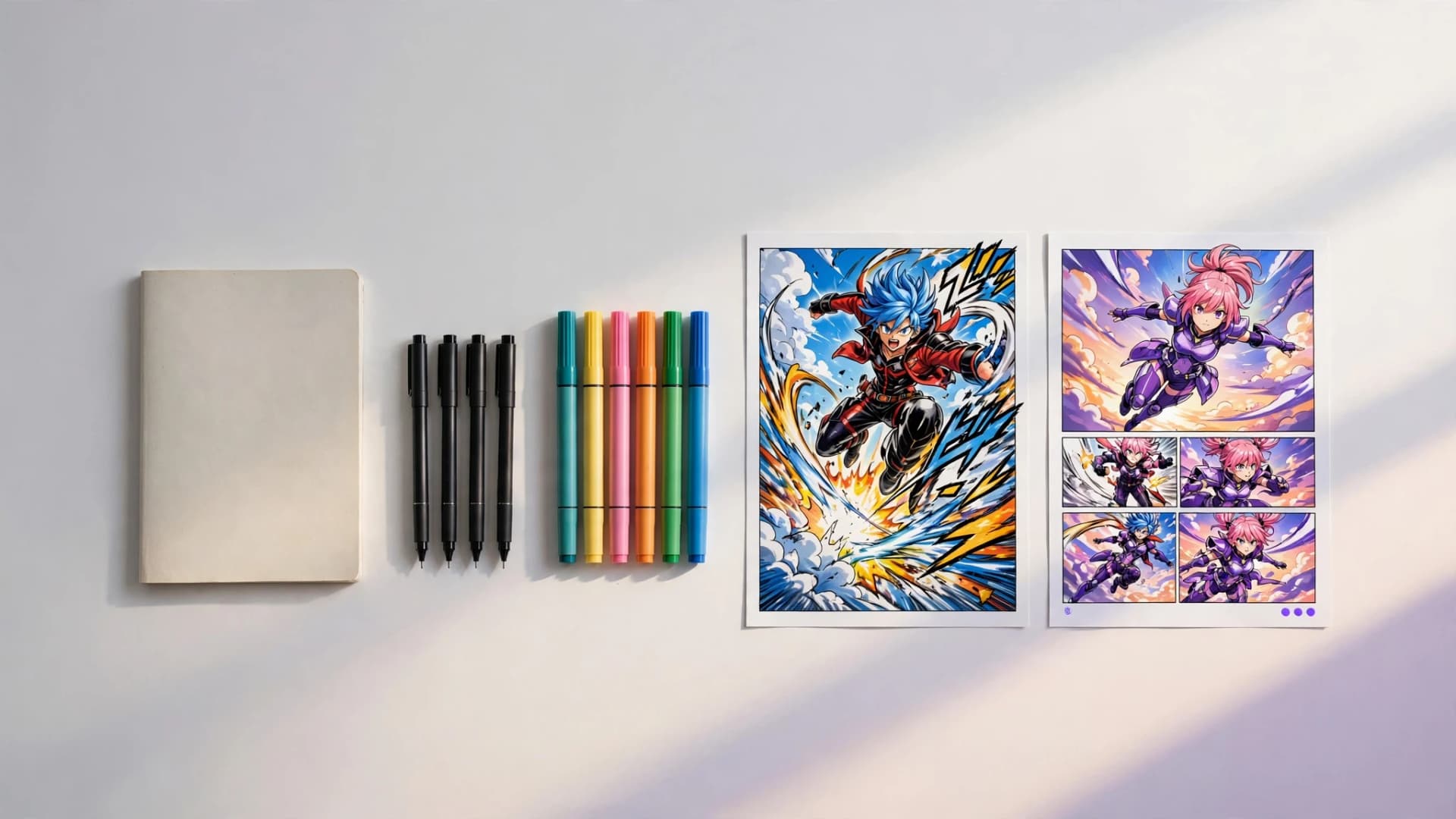
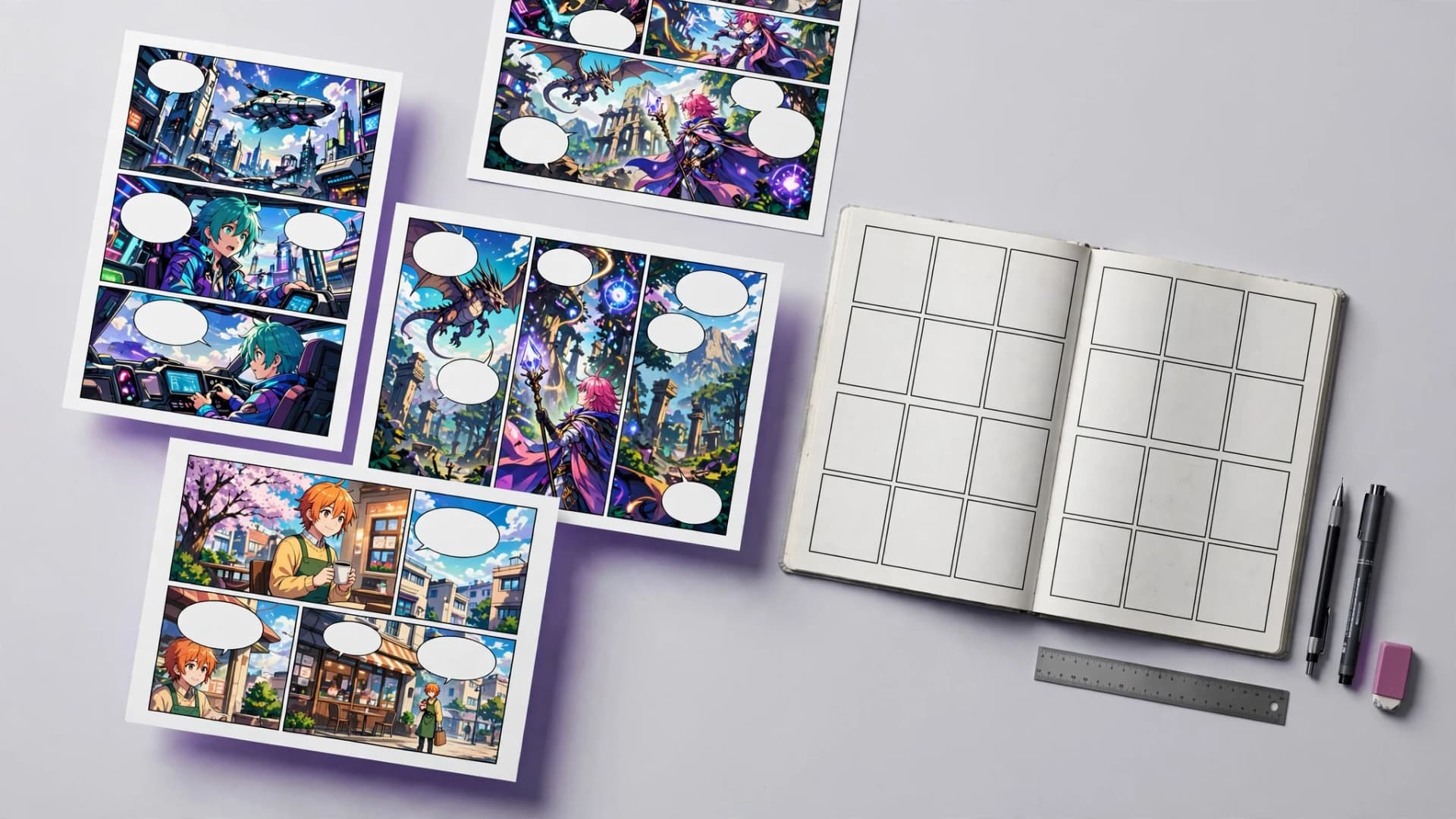
Penciled multi-panel comic strip layouts and drawing pens neatly arranged on a bright wooden desk

What is a comic strip format, and why start small?

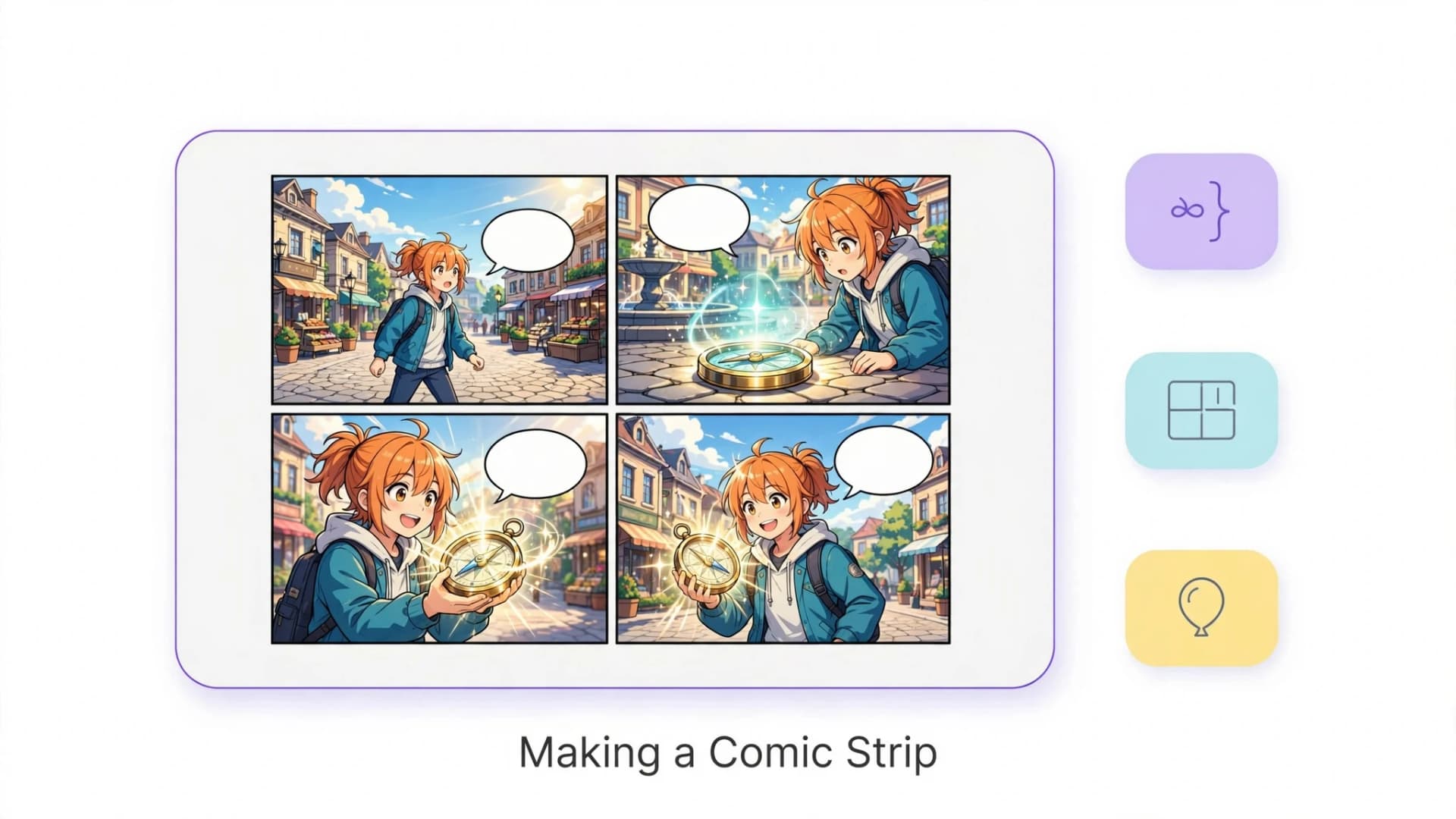
A classic comic strip format arranges a sequence of visual panels horizontally or in a small grid to deliver a quick narrative beat, observation, or punchline. Unlike full graphic novels, a strip relies on rapid pacing and immediate character interactions that resolve in two to four panels.

Beginning creators often find this structure helpful because it forces disciplined storytelling. When space is constrained, every expression, background detail, and line of dialogue must actively drive the scene forward.

Studying classic newspaper syndications and modern webtoon strips reveals that clear focal points keep readers engaged. Mastering this short structure gives you the foundational narrative habits needed before tackling longer multi-page stories.
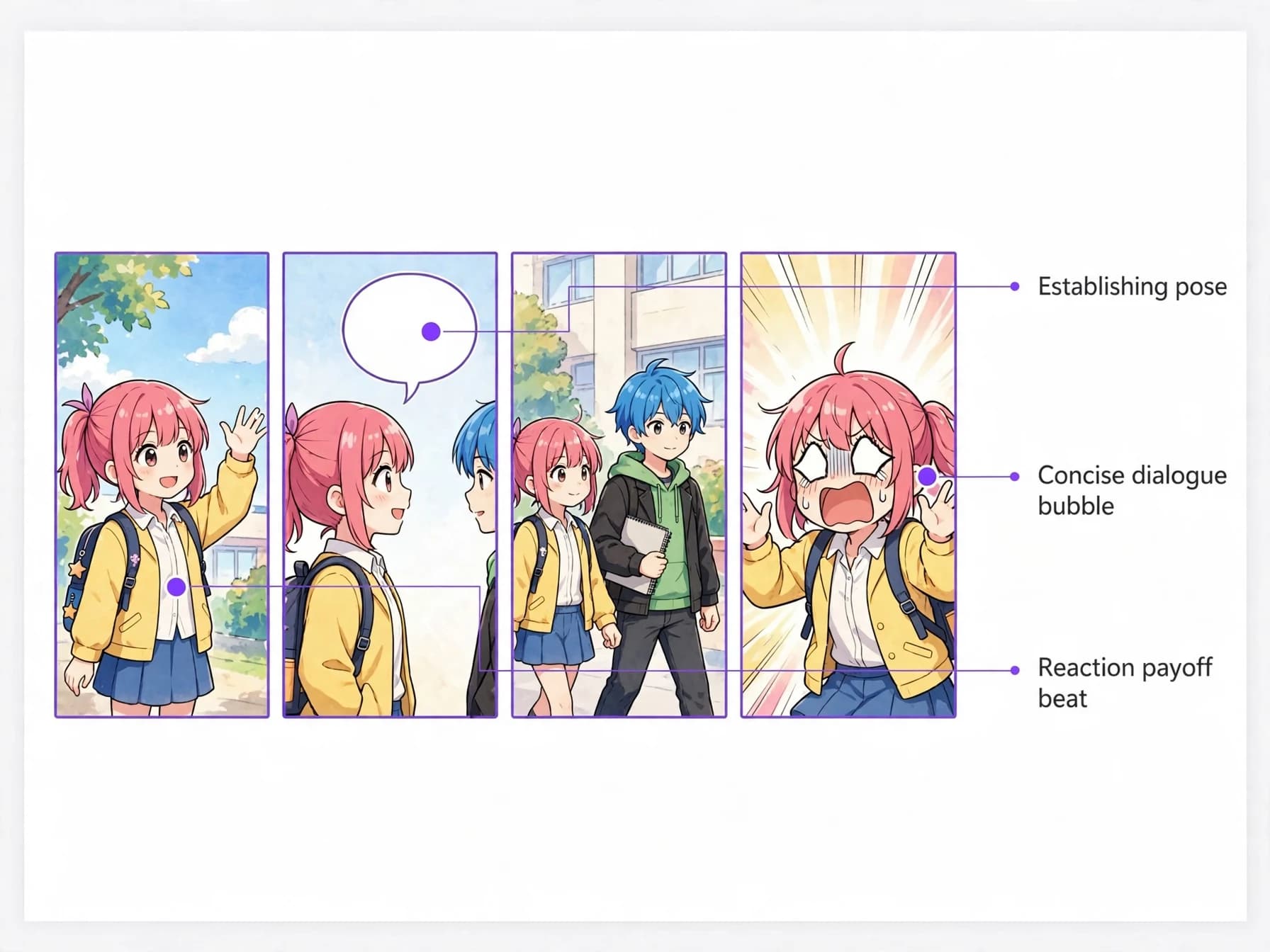
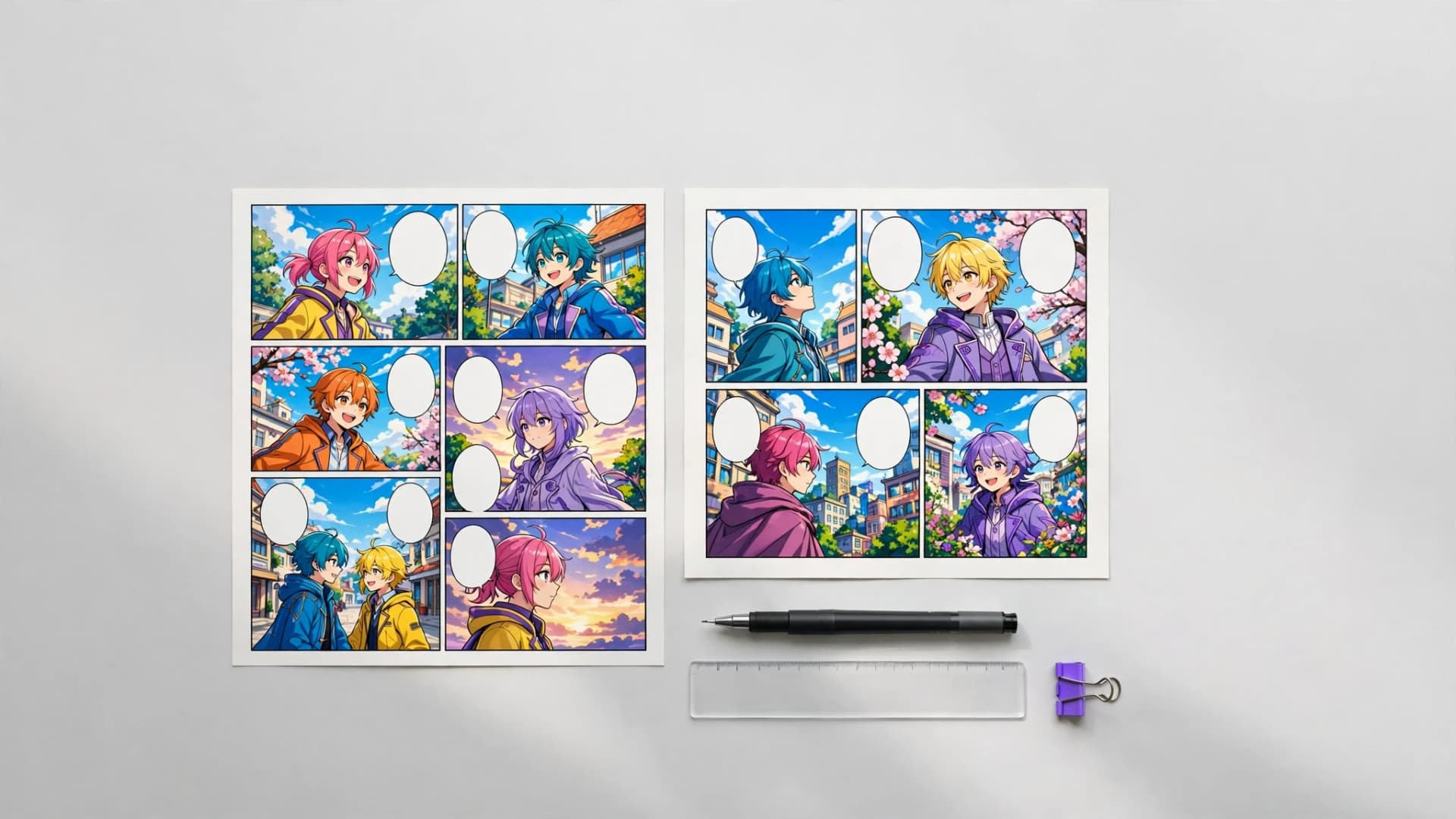
A four panel comic strip layout on paper showing dialogue bubbles and character poses

How to make a comic strip in four basic steps

Step 1: Plan your premise and script by drafting a clear setup, escalation, and resoluti

Step 2: Draw thumbnail sketches to map out the comic panel layout, character positions,

Step 4: Add dialogue, captions, and colors that guide the reader's eye naturally from le
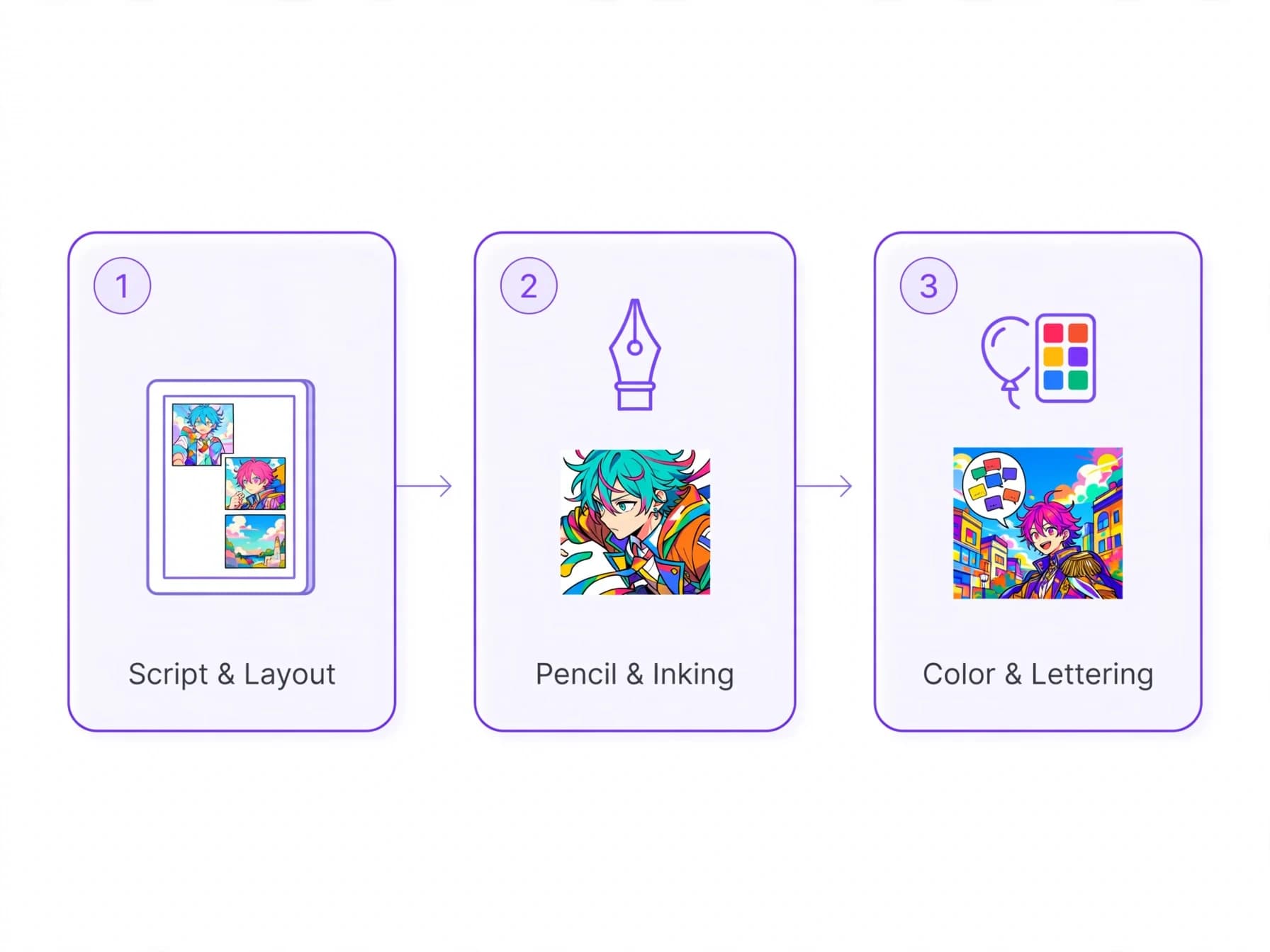
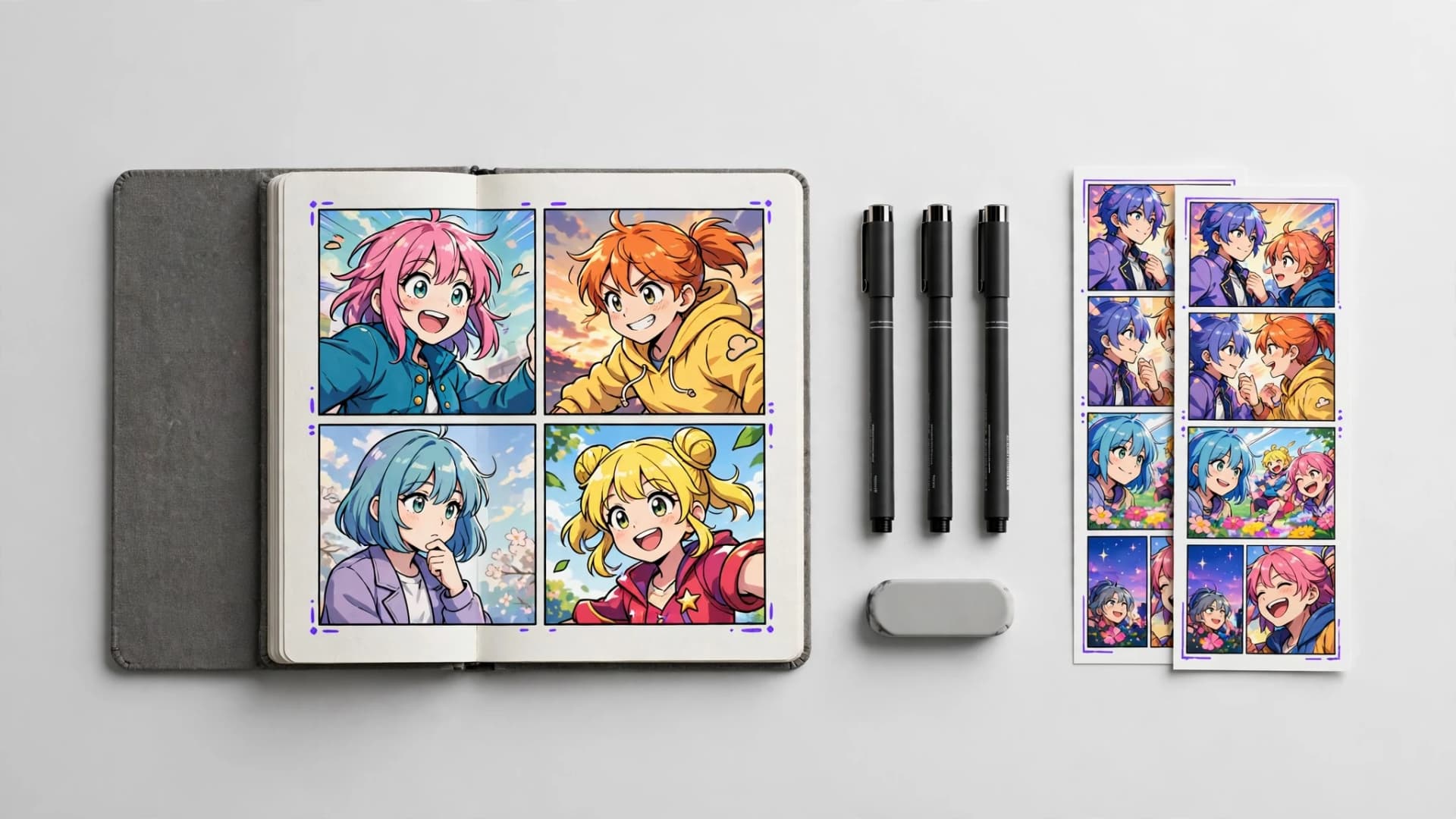
Four stages of comic strip production from rough thumbnail layouts to final colored panels

How to create a comic strip with memorable characters

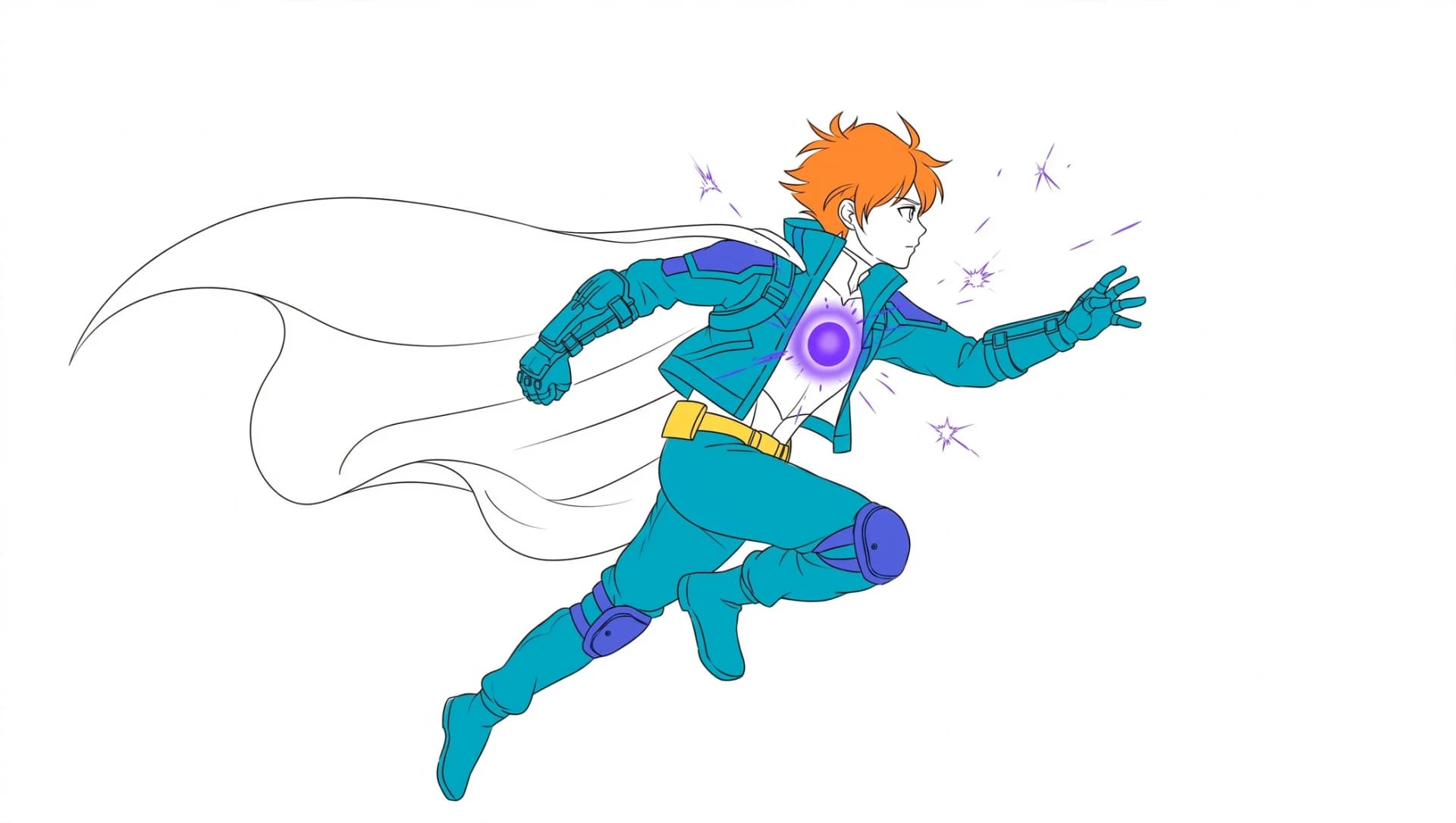
Learning how to create a comic strip starts with designing distinct characters who express their personalities through silhouette and posture. Give each figure recognizable traits, such as an exaggerated hairstyle, signature jacket, or unique posture that reads clearly in small panels.

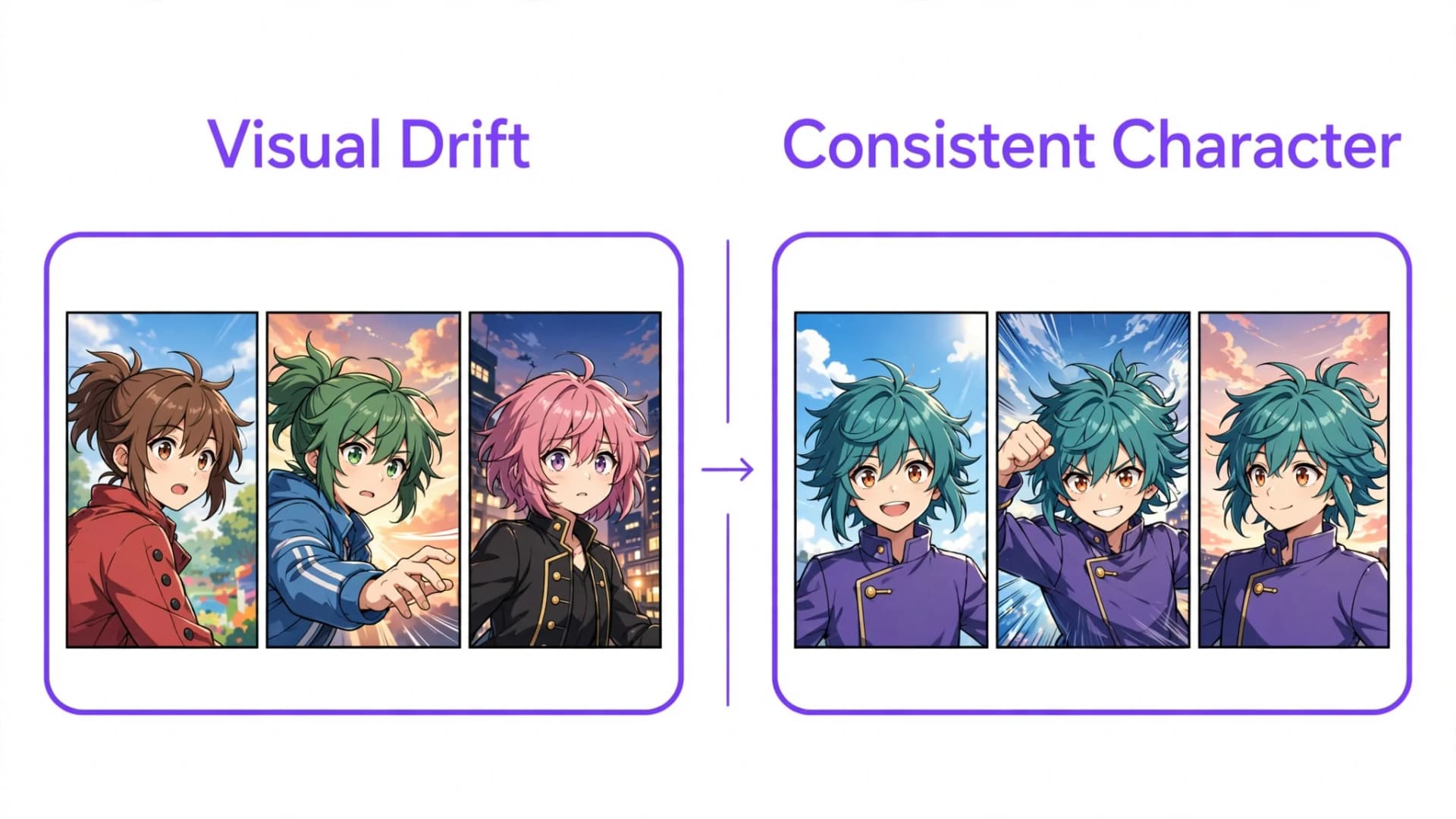
Visual consistency matters across every frame so the reader never confuses who is speaking or acting. Keeping consistent characters in an AI comic helps your cast stay recognizable through different emotional expressions and camera distances.

Keep background clutter minimal whenever your characters exchange important dialogue. High contrast between your main subjects and their setting ensures their reactions carry the weight of every moment.
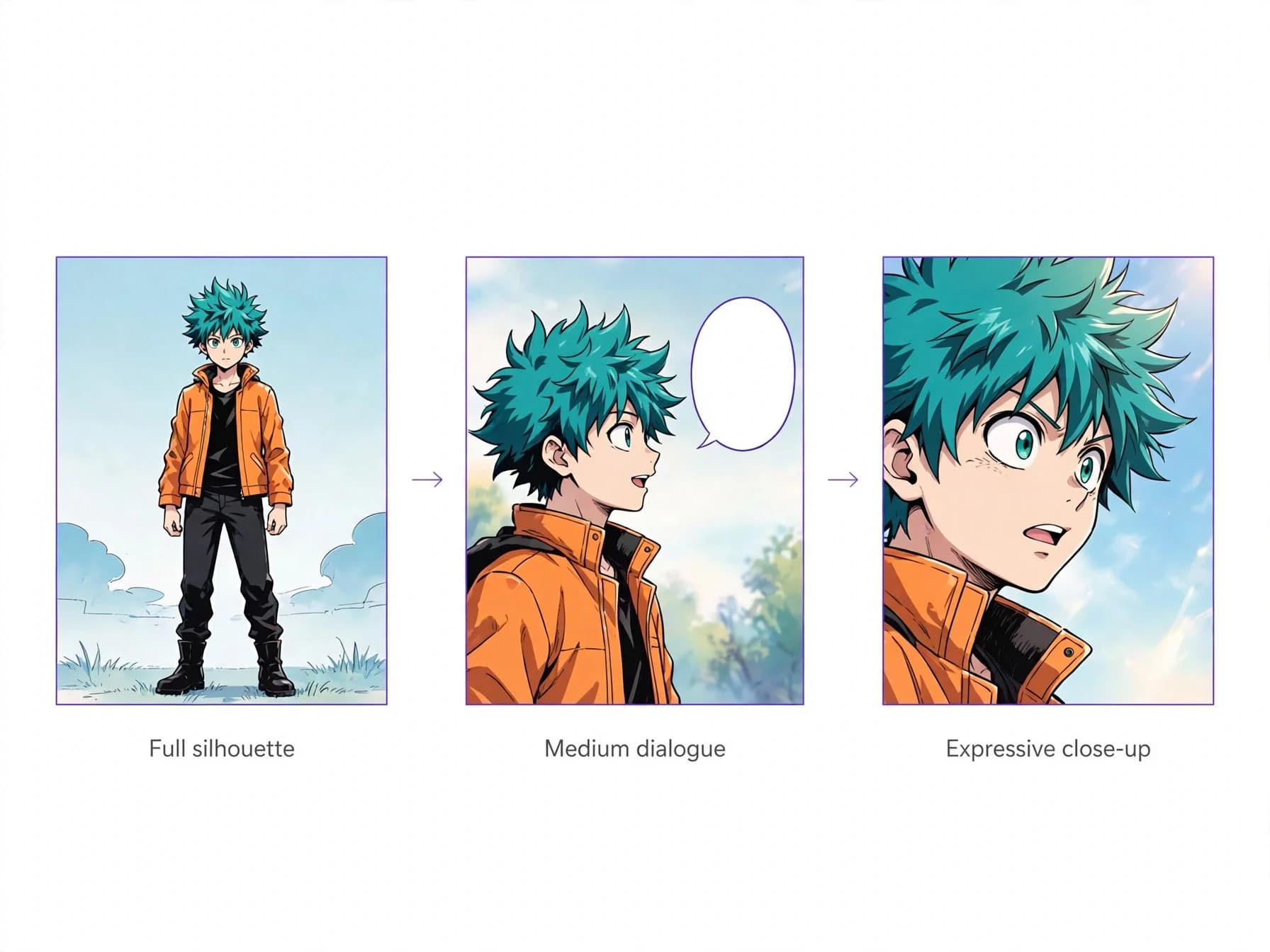
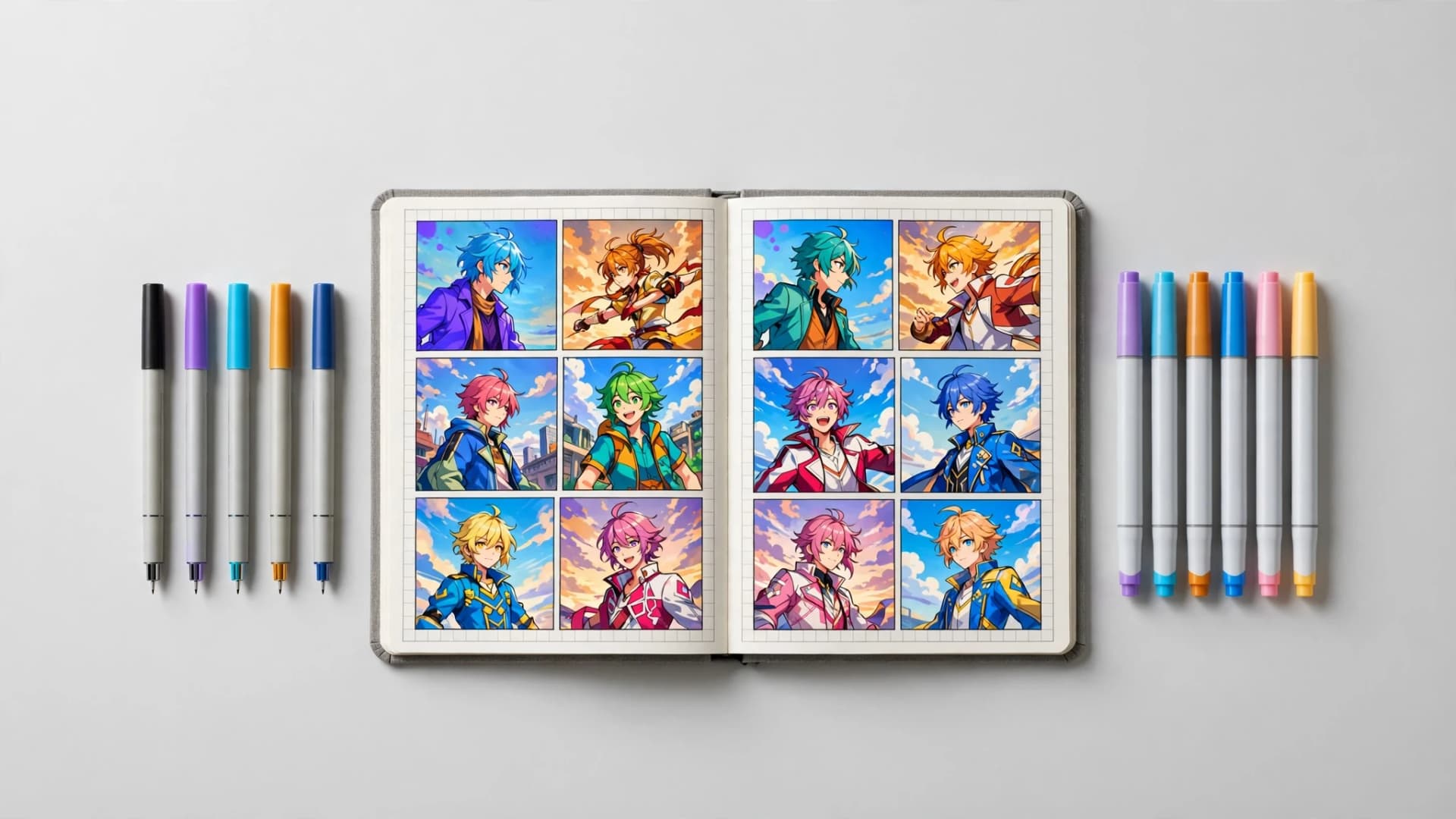
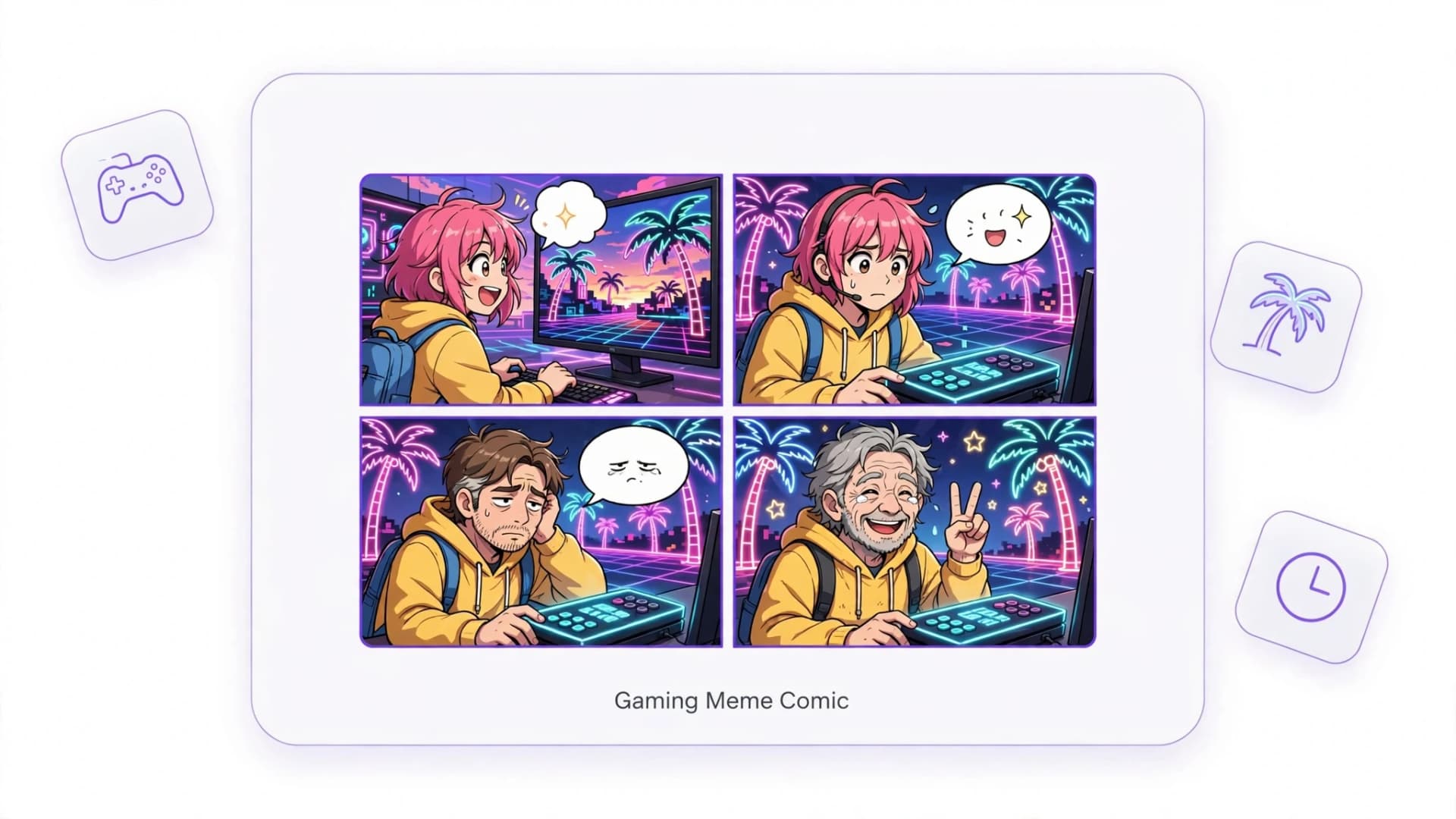
Character expression studies for a comic strip showing diverse emotional reactions

Can you learn how to make a comic strip without drawing skills?

You do not need years of fine art training to turn your original ideas into a strip, and our guide on how to make a comic covers longer formats too. Modern narrative tools allow anyone with a creative story prompt to translate dialogue and concepts into finished panel pages with speech bubbles.

Using a web platform like Yume Comic's AI comic strip maker lets you write a short script, select from dozens of art styles, and get complete panel pages drawn for you. You can save up to four consistent characters to keep their faces and outfits stable from panel to panel.

This workflow allows writers, students, and hobbyists to test comic strip ideas directly without getting stalled by illustration software. You focus on plot beats, jokes, and character dynamics while an AI comic generator handles line work and composition.
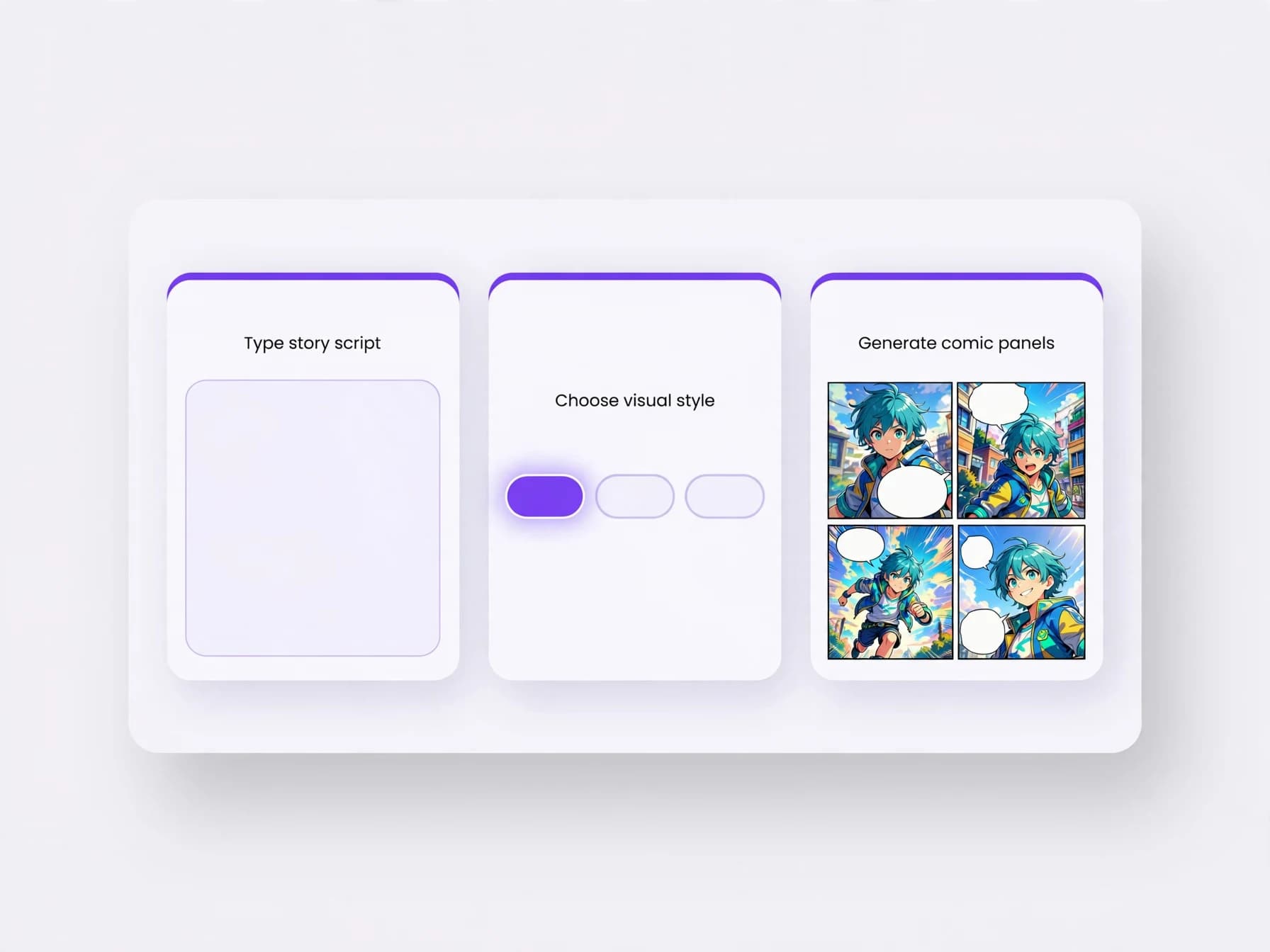
Laptop screen showing digital comic generation interface with multi-panel webtoon artwork

Pacing dialogue and balloons for maximum impact

Dialogue in a short strip must be punchy and direct. When you make a comic strip, resist the temptation to crowd speech balloons with lengthy exposition, and let the visual performance carry half of the context.

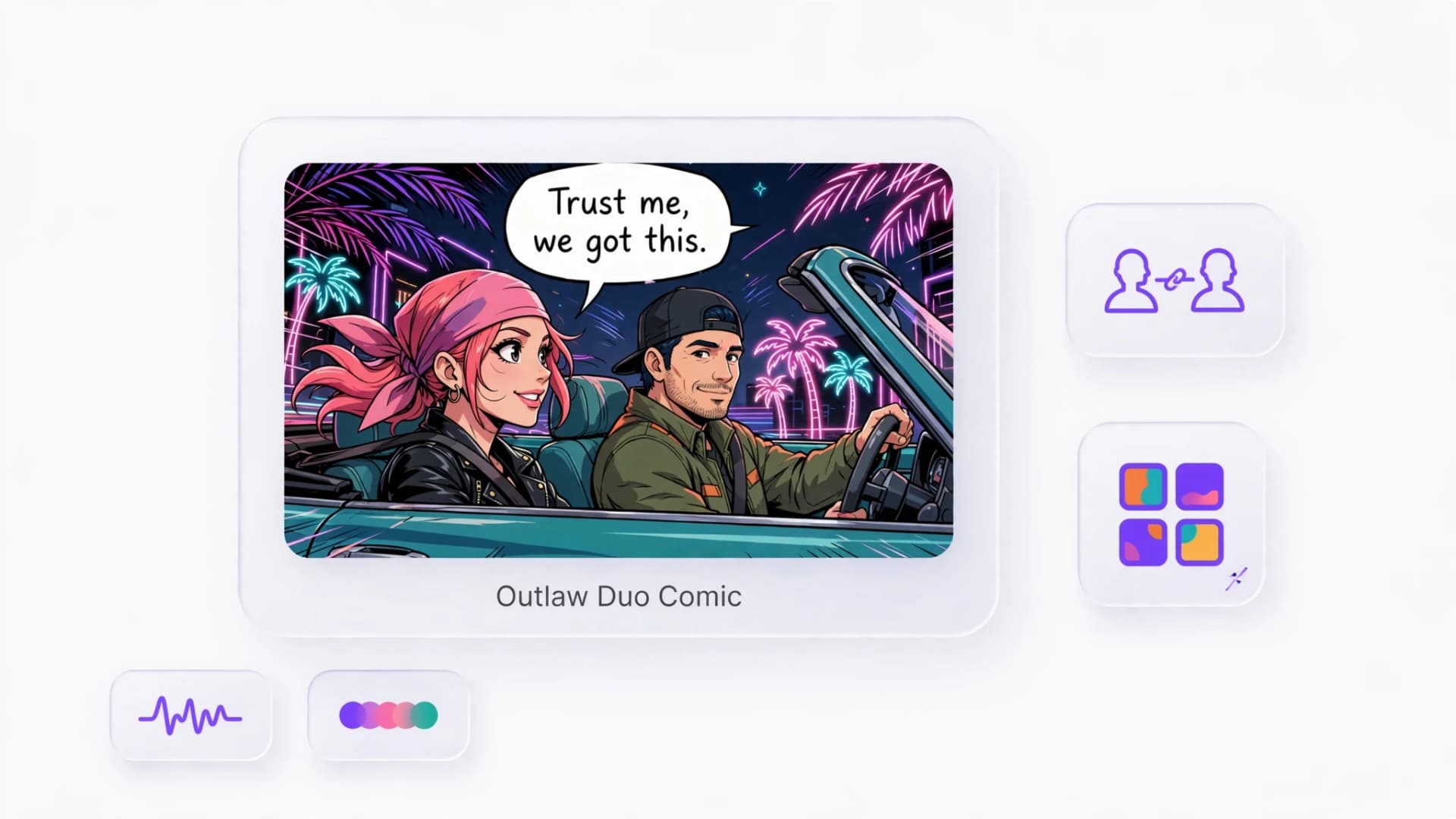
Positioning comic speech bubbles in natural reading order prevents confusion and preserves the rhythm of your joke or plot twist. Always place the first speaking character on the left in western layouts, leaving ample breathing room inside each balloon.

Practice reading your drafted lines out loud before finalizing the strip. If a line feels clunky when spoken, trim unnecessary words until only the essential beat remains.
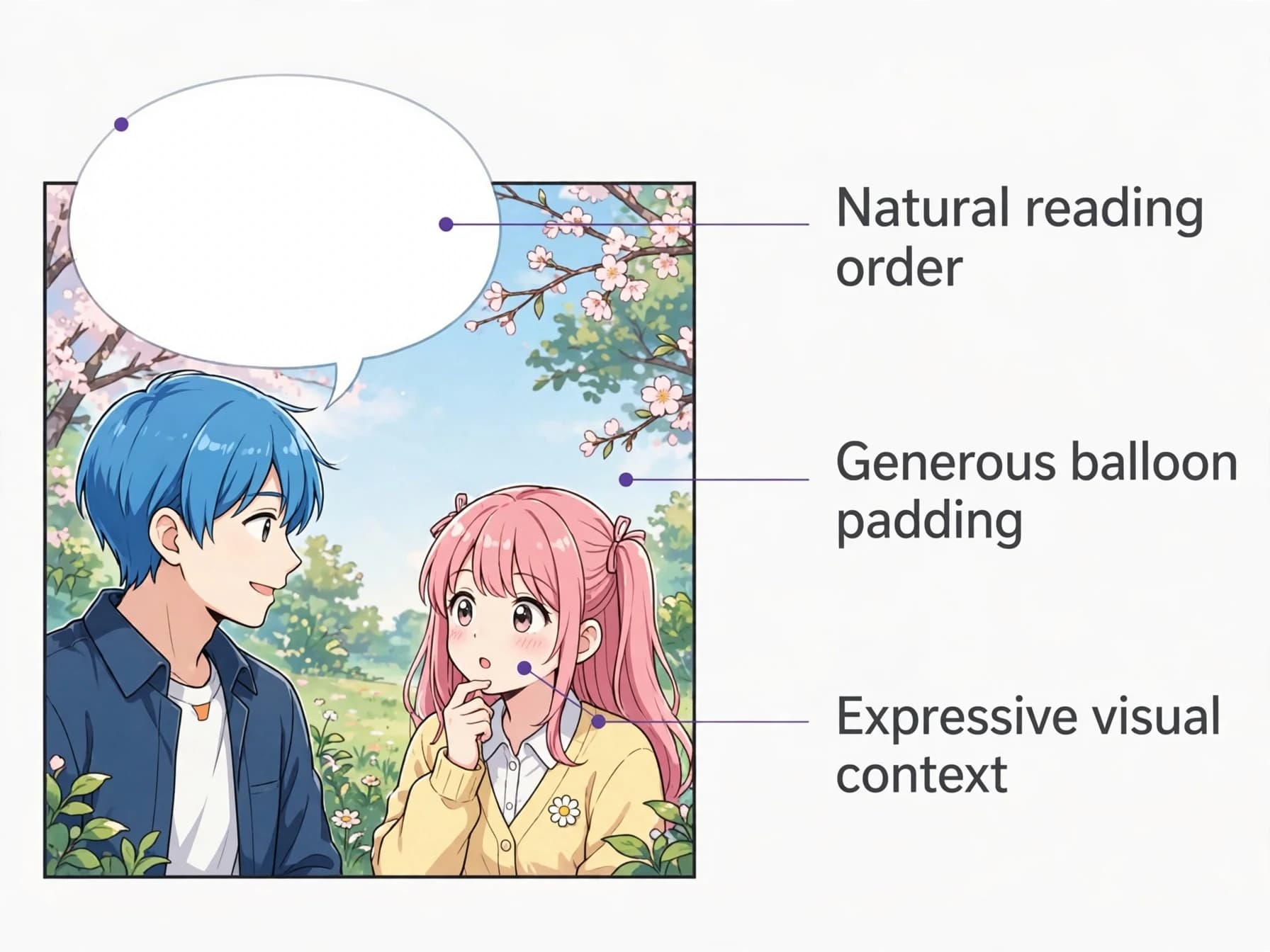
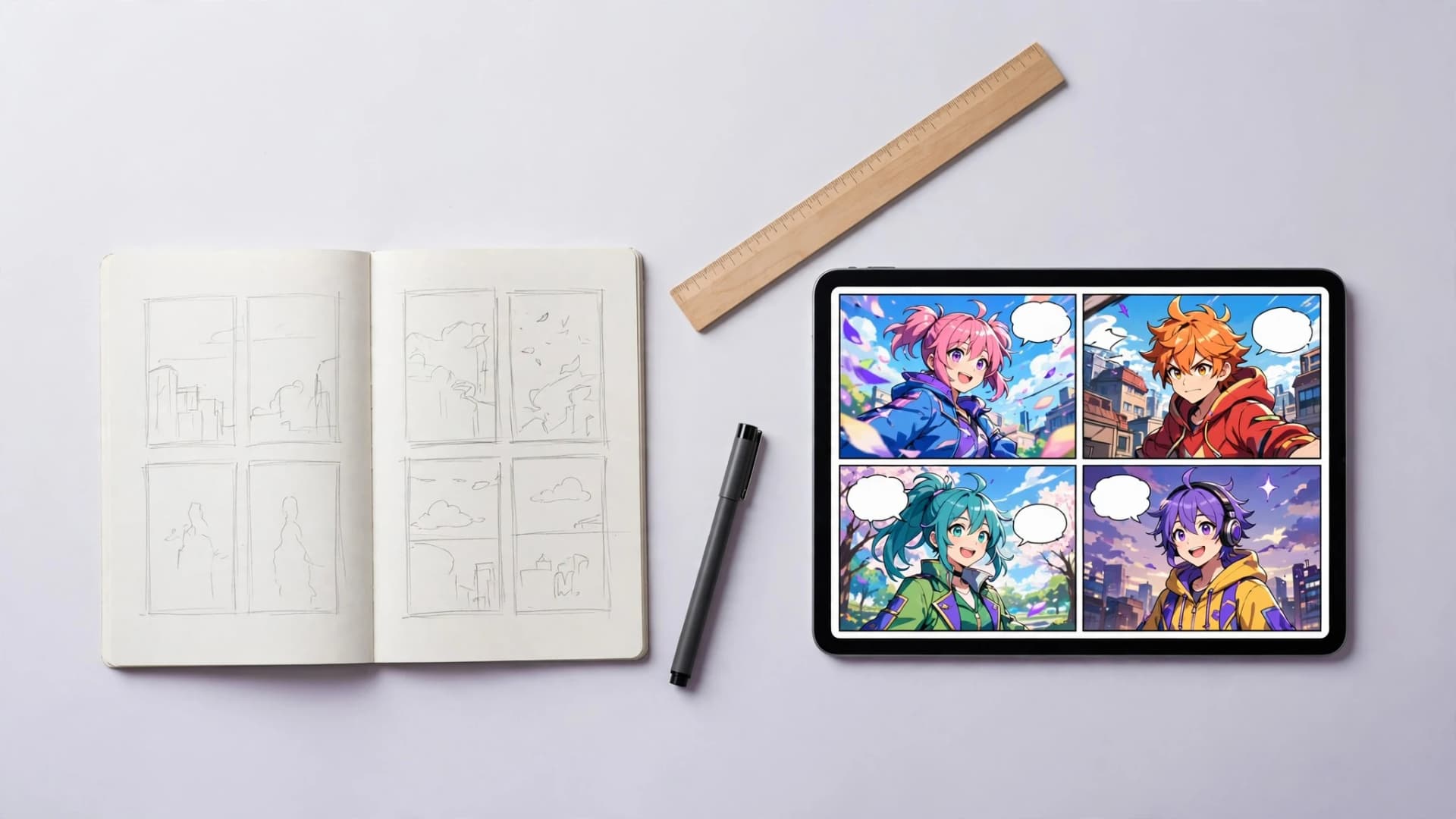
Graphic demonstration of speech bubble placement and tail direction across comic panels

Your path from idea to comic strip

A good strip comes down to pairing a focused idea with clear visual rhythm across your panels. Whether you sketch panel borders on paper or turn a short prompt into multi-panel layouts using modern digital tools, consistency in your characters and pacing makes the story work. Start with a simple joke or a brief character encounter, test your dialogue, and let each finished page build your confidence as a visual storyteller.

FAQ

Common questions about how to make a comic strip

Find direct answers to the most common questions about how to make a comic strip, from scripting short scenes to laying out panels and finishing clean pages.

What is the easiest way to make a comic strip if you can't draw?

Write a clear script first, then use a comic maker to draw the panels for you. In Yume Comic you type your story, pick an art style and get a comic page with panels and speech bubbles. When you focus on dialogue and pacing, you can finish a strip without any illustration skills.

How many panels in a comic strip are standard for storytelling?

A standard newspaper or web comic strip usually runs between three and four panels, with four panels offering the classic setup, anticipation, twist, and punchline rhythm. Daily gag strips often rely on three panels, while dramatic Sunday strips or webtoons may stretch to six or eight panels. Beginners usually achieve the tightest comedic timing by sticking to three or four boxes.

What makes a good comic strip for beginners to start with?

A strong comic strip for beginners focuses on a simple situation involving two characters with clashing personalities. Limiting the setting to a single location keeps the background art manageable and keeps the reader focused on dialogue and timing. Starting with a basic four-panel format helps new creators master setup and resolution before tackling complex story arcs. A trending topic helps too, like these GTA 6 meme strips.

Can you make a comic strip with digital tools instead of paper?

Yes. Draft your dialogue and choose a panel count first. You can then draw the artwork in drawing software, or enter your script into an AI comic maker such as Yume Comic, choose an art style, and get a multi-panel page with speech bubbles. Pages download as PNG images with no watermark.

What is the 180 rule in comics and why does it matter?

The 180-degree rule is an imaginary visual line between two characters that the camera perspective should not cross between panels. Keeping Character A on the left side and Character B on the right side prevents reader disorientation across cuts. Maintaining consistent screen direction makes dialogue exchanges feel natural and easy to follow.

What are the essential components of a comic strip?

The core components of any comic strip include panels, gutters, dialogue balloons, captions, and character art. Panels frame each distinct moment, while the gutters between them signal the passage of time or space. Thought balloons, speech bubbles, and sound effects bring auditory life and emotional context to the static drawings.

How do you keep character designs consistent across multiple panels?

Character consistency depends on defining distinct signature traits such as a specific hairstyle, recurring silhouette, or unique color palette. In traditional sketching, model sheets guide every angle, while digital creators can save reference images to preserve facial features. In Yume Comic, you can save up to four custom characters per comic to maintain identical appearances across every panel.

How should dialogue be placed inside a comic strip?

Dialogue text should read naturally from left to right and top to bottom in Western comics, matching standard eye movement. Leave generous padding between the text and the bubble border so words never feel cramped. Point bubble tails directly toward the speaking character's mouth while avoiding crossing tails over other characters.

What are some good character ideas for a short comic strip?

Classic comic strips thrive on contrasting pairs, such as an overly optimistic dreamer paired with a grumpy realist. Pets with dry human internal monologues, workplace colleagues with opposing work ethics, and magical creatures tackling mundane modern problems also work exceptionally well. Sharp personality contrasts create instant humor without requiring pages of backstory.

How long does making a comic strip usually take?

Drawing a traditional comic strip by hand often takes two to six hours, covering thumbnails, pencils, inks and lettering. Most of the thinking time goes into the script and the punchline, so write those first. With an AI comic maker, once your script is ready you pick a style and the tool draws the panels for you.

Can I publish and sell comic strips created with digital tools?

Your comics come with a worldwide, non-exclusive license to use, share and publish them for personal and commercial purposes under the YumeComic Terms of Service. You keep ownership of the story text and images you upload; generated outputs are not guaranteed to be unique.

What is the best way to plan pacing before drawing a comic strip?

Pacing begins with thumbnail sketches, which are tiny, loose drawings that establish panel borders and reading flow before any detailed sketching starts. Thumbnails reveal whether a joke lands on the final panel or if too much dialogue clutters a single beat. Planning the visual rhythm early saves hours of redrawing finished art later.

How does webtoon panel layout differ from newspaper comic strip layout?

Newspaper comic strips rely on horizontal grids where panels sit side by side, demanding compact character poses and tight dialogue. Webtoons use vertical spacing designed for mobile scrolling, allowing wide gutter gaps to establish dramatic timing and silent pauses between actions. Adapting a strip to a scroll format requires stacking panels downward rather than arranging them across a page.

See similar blogs

More from the blog